
The Basic Deal Nobody Warns You About
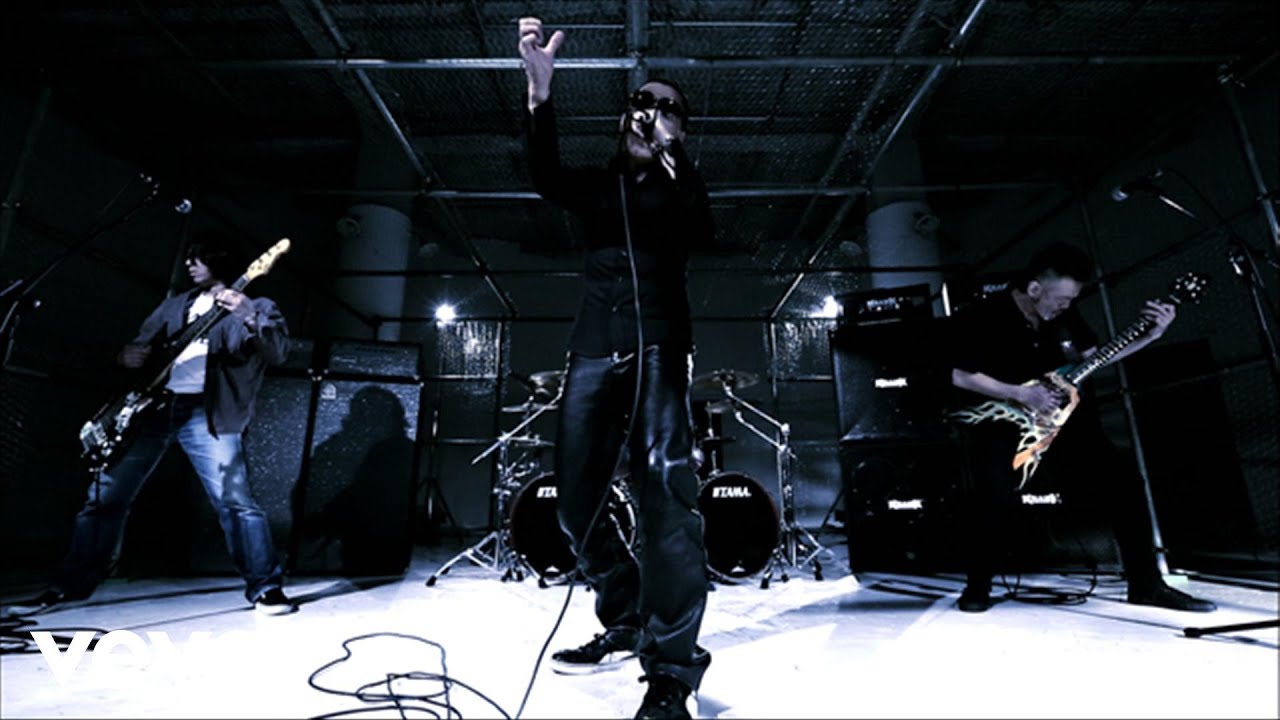
Walk into almost any live house in Tokyo, Osaka, or Nagoya as a new band, and the venue won’t pay you a guarantee. They’ll hand you a stack of tickets instead. Fifty tickets. Maybe thirty. Sometimes eighty. You sell them to your friends, your coworkers, your family, whoever will pick up your DMs — and the money from those sales is essentially your performance fee. Whatever you don’t sell, you buy back yourself at face value on the night of the show. That’s the noruma. Your quota. Your floor.
Every foreign band I’ve seen roll through Japan on a self-booked or lightly-assisted tour hits this system and looks briefly like someone told them the venue charges extra for electricity. Because in most Western gigging cultures, the default model runs the other direction: the venue absorbs the risk, the band gets a door split or a small flat fee, and if twenty people show up it’s the promoter’s bad night, not the band’s overdraft. Here, that risk gets redistributed almost entirely onto the performers. Especially the small ones.
The numbers vary. A mid-sized live house in Shimokitazawa or Amerika-mura might set a noruma at ¥30,000–¥50,000 worth of tickets per band on a four-or-five-band bill. Sell your allocation and you’re even. Sell more — if the venue allows back-of-quota sales — and you pocket the difference. Sell nothing and you’re paying the venue out of your own pocket just for the right to have played. For a band still building an audience, that’s not a metaphor. That’s a literal invoice.
Why the System Exists, and Why It Persists
To be real about it: the noruma system exists because Japan has an extraordinary density of live houses relative to the size of most local audiences, and somebody has to keep the lights on. Tokyo alone has hundreds of functioning small venues. Running a live house with full backline, a PA, a sound engineer, and bar staff is expensive, and a Tuesday night bill of five unknown bands is not going to fill the room through organic ticket sales alone. The noruma transfers the audience-building responsibility to the bands themselves, who theoretically have the most direct relationship with their own fanbase.
There’s a logic to it. Honestly. A band with two hundred followers who each buy a ticket is a more reliable draw than a venue praying some curious stranger wanders in. The system forces bands to stay socially active, to hustle, to maintain relationships with their listeners. Some argue it built the dense, loyal local fanbase culture that makes Japanese metal and punk shows feel so different from their Western counterparts — audiences that actually know every word, that came specifically for you.
The toll on bands is real, though. I’ve talked to musicians who spent years playing noruma shows at a net monthly loss, treating it like tuition. Some called it exactly that. The system disproportionately favors bands whose members have stable day jobs — the salaryman drummer paying his share of the noruma out of a steady income versus the freelancer bassist scrambling to cover it. Genre scenes that skew younger or more working-class feel the squeeze harder. Metal and hardcore bills in particular can run five or six bands deep, meaning a band low on the lineup is paying full noruma for maybe a twenty-minute set and an audience that’s still filing in.
Foreign bands touring Japan often discover the system mid-negotiation, when a venue contact sends over a contract that looks fine until you clock the ticket-buy-back clause buried in it. The smarter move — and local bookers will tell you this if you ask plainly — is to work through a Japanese promoter who can absorb or negotiate the noruma on your behalf, or to pair with a local support act whose fanbase offsets the quota math.
The noruma doesn’t make Japan hostile to outside acts. It just means the rules of engagement are different. Knowing the structure before you land is the difference between a tour that covers itself and one that quietly bankrupts your merch fund somewhere between Nagoya and Fukuoka.