
The Fault Line Nobody Talks About
Japan’s metal scene looks unified from the outside. Dig a little deeper and you find two distinct gravitational fields pulling in opposite directions — one rooted in the Kansai belt running through Osaka, Kyoto, and Kobe, the other centered on Tokyo’s entertainment infrastructure. They aren’t rivals, exactly. They’re just running different operating systems, and understanding that gap explains a lot about why certain bands sound the way they do and why the business around them is structured so differently.
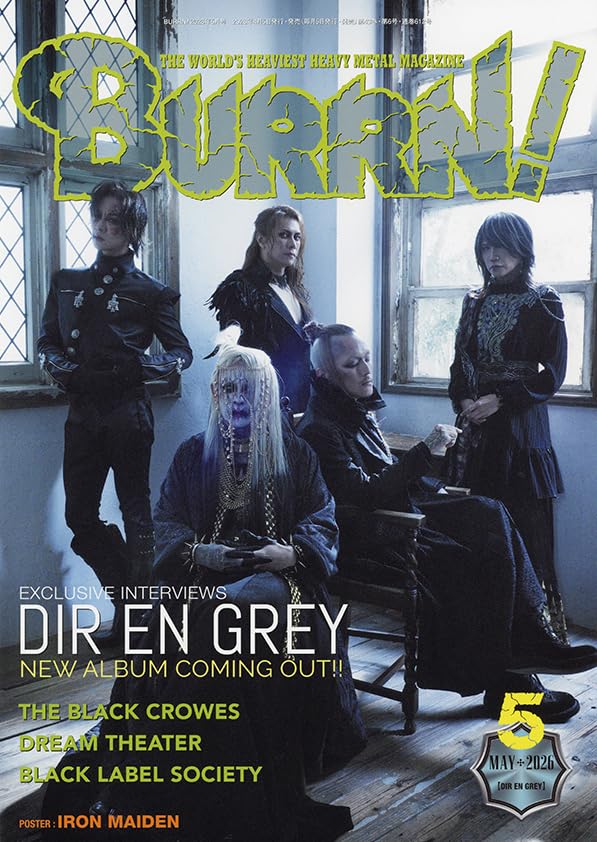
Start with Kansai. The scene there developed a kind of earned stubbornness — musicians grinding club circuits, building regional fanbases before Tokyo ever paid attention. Loudness came out of that world. What’s striking about their trajectory is how long they operated on their own terms before the industry caught up. The Kansai approach to heavy music has always felt like it owns the genre rather than borrows it. Galneryus carries that same posture — technically immaculate, clearly made by people who’ve spent years in practice rooms caring about craft before caring about image. And Dir En Grey, whatever genre you want to pin on them this decade, built their identity through a kind of relentless self-interrogation that feels deeply Osaka in its refusal to settle. They’ve always seemed more interested in making something true than something accessible.
There’s a texture to Kansai rock venues, too. Smaller than you’d expect for the size of the crowd. The PA cranked loud because the rooms demand it. I caught a show in Shinsaibashi a few years back where the band sounded like they were auditioning for nobody — just playing like the music owed them something. That attitude gets absorbed.
The Tokyo Model
The Kanto picture is more complicated, because Tokyo is where the industry lives. Labels, management companies, major media — it all converges there, and that shapes what gets made. The Babymetal project is the clearest example of what happens when heavy music gets routed through entertainment infrastructure from the ground up. The metal in Babymetal is real — those guitar tones aren’t a costume — but the architecture around it is pure Kanto machine logic: producers, concept developers, choreography, a system designed to export.
That’s not a criticism. Honestly, the fact that a project built inside idol infrastructure managed to get metal taken seriously in places where Japan was still synonymous with J-pop is kind of remarkable. Tokyo’s strength is exactly that systemic thinking. It can take a raw genre and make it legible to audiences who’d never find it on their own.
The difference is what gets prioritized. Kansai bands tend to develop from the inside out — the sound comes first, the audience finds them. Kanto projects, especially major-label ones, often reverse that sequence. You can hear it. Galneryus records feel like they were made in the absence of a marketing department. The Babymetal catalog feels like it was made with a full understanding of where the video would play and who would share it.
Neither mode produces worse music. They’re optimized for different things. A Kansai band’s ceiling is often defined by how devoted their fanbase gets; a Kanto project’s ceiling is determined by how far the machine can push. Both ceilings can be very high.
What’s worth sitting with is the fact that both traditions are still producing. The Kansai underground keeps cycling in new bands willing to do the club circuit properly. Tokyo keeps finding new frameworks for heavy music that can travel. Japan’s heavy scene doesn’t need to resolve this tension — it runs on it.
Find a Galneryus record. Then watch a Babymetal concert film. Pay attention to where your eyes go in each one.