
The City That Shouldn’t Have a Pit
I was walking through Kyoto once, wearing a Nuclear Assault t-shirt, when this guy stopped me on the street — “Wow, that’s a band from my country!” Turned out he was a traveler, and he’d been wandering the city all day trying to find a metal show. Just another foreigner hunting for heavy music in a place that, on the surface, seems designed to make you speak in whispers. We got talking, and I remember thinking: of course this happens in Kyoto. Of course two people who like loud, ugly things find each other in the middle of all that incense and ancient stone. The city has a way of doing that — pulling the underground to the surface when you least expect it.
Kyoto is not supposed to sound like this. That’s the thing you feel when you start digging into its heavy music scene. The city exports quietude and matcha and the kind of refined stillness that travel magazines spend thousands of words trying to capture. It is, by every cultural shorthand, a place of preservation, of deliberate calm. So when a band from here starts tearing through a set that fuses metal riffs with hardcore urgency and something rawer underneath — something that feels genuinely angry — the dissonance is the whole point.
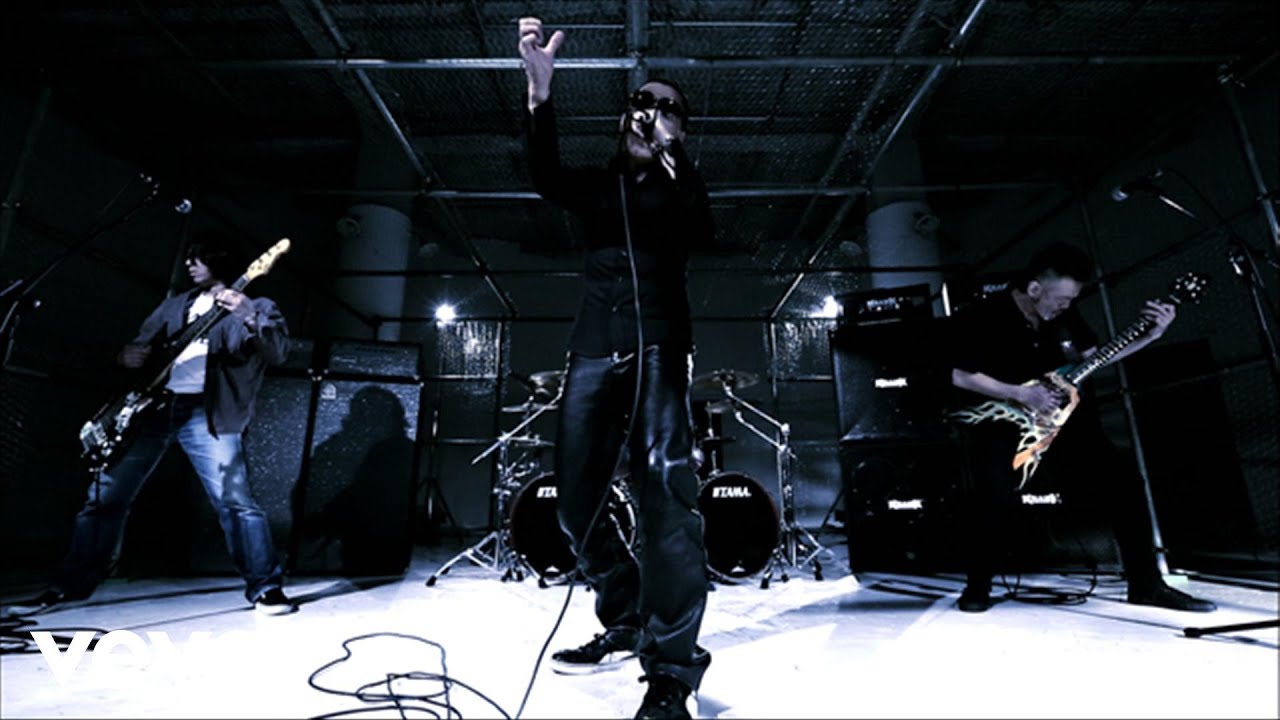
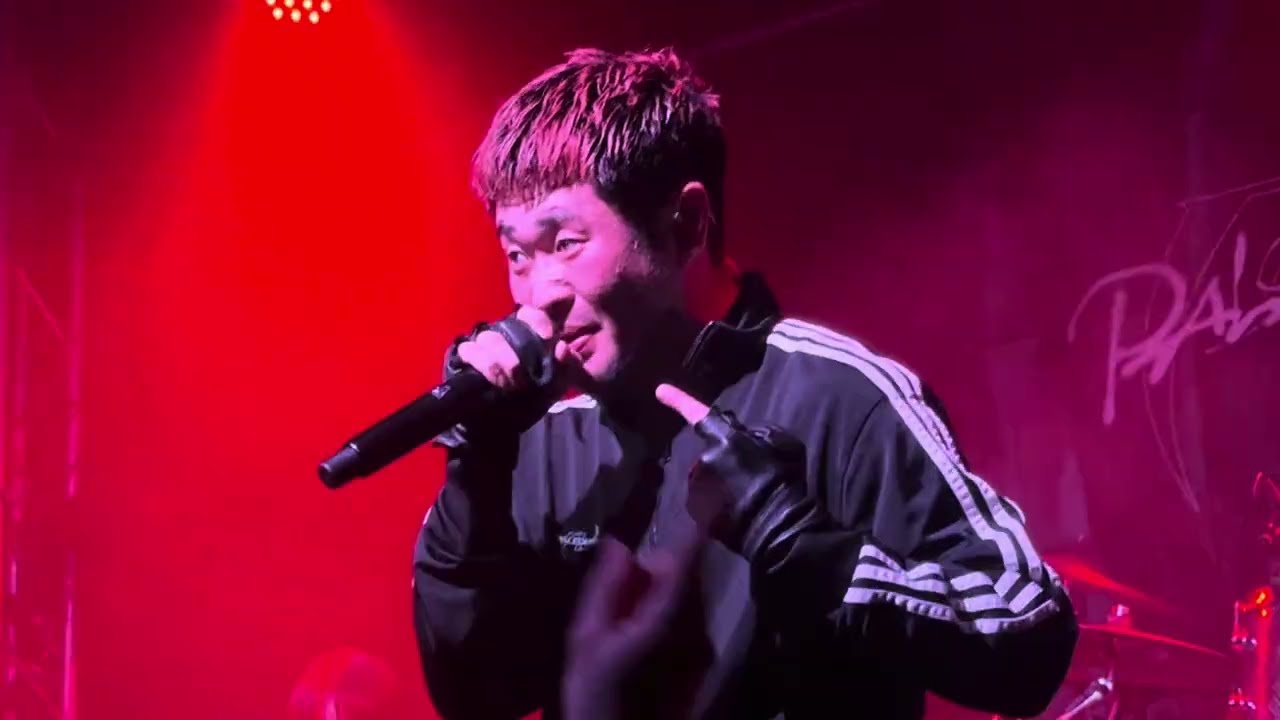
ROTTENGRAFFTY are the clearest proof that this contradiction produces extraordinary music. A rock and hardcore outfit from Kyoto, they’ve spent years building a sound that refuses to fit neatly into any one genre box, blending melody and aggression in ways that feel emotionally violent and emotionally generous at the same time. Catch their show once and you leave with the strange feeling that you’ve watched a band simultaneously destroy something and protect it. That tension — preservation versus rupture — is very Kyoto. Whether they intend it or not, they carry the city in their music.
But to understand why this scene exists at all, you have to understand what Kyoto actually does to its young people.
Pressure, Heritage, and the Need to Scream
Living inside a UNESCO-protected cultural legacy is genuinely strange. Kyoto’s residents grow up surrounded by institutions — religious, historical, aesthetic — that are older than most nations. The city is managed, curated, maintained. Noise ordinances are real. The past is always present, physically, in a way that doesn’t apply to Tokyo or Osaka. And yet young people are still young people. They still need volume. They still need a room where they can lose themselves.
That need creates a specific kind of underground. Kyoto’s heavy scene is not massive in the way that Tokyo’s is, and that’s kind of the point. It runs through small live houses and rehearsal spaces tucked behind traditional architecture, through university music circles that blur the line between DIY punk and structured musicianship, through the same social fabric that makes Kyoto a college town as much as a heritage site. Students arrive from across Japan and bring influences with them. Some stay. Some form bands. The scene keeps refreshing itself without losing its local character — which, honestly, is a harder trick to pull off than it sounds.
ROTTENGRAFFTY’s longevity is partly a product of this environment. They didn’t have to compete for attention on the same terms as a Tokyo band. They built a core audience in a city that was skeptical of noise, and that skepticism sharpened them. You can hear it in how tightly constructed their songs are — there’s nothing wasteful, nothing thrown in for effect. Every moment earns its place.
Why the Underground Here Feels Different
What distinguishes Kyoto’s heavy scene from, say, Osaka’s (which runs harder, louder, more chaotically) is a certain self-consciousness about craft. That might sound like a backhanded compliment. It isn’t. The bands that come out of this city tend to think about what they’re doing, why the dynamics work, what the silence between the loud parts is actually doing to a listener. There’s an almost compositional quality to even the most aggressive acts.
That quality connects back to the city’s identity whether you’re a fan of that narrative or not. Tradition in Kyoto isn’t decoration — it’s a living methodology. The same attention that goes into preserving a sixteenth-century gate goes into a local band figuring out exactly where the breakdown should land. That might sound grandiose, but there are enough Kyoto bands playing long enough that it reads as structural, not accidental.
ROTTENGRAFFTY are the scene’s most visible export, but the scene itself is the story. Beneath one of the world’s most-visited cities, people are making music that refuses to be picturesque, that insists on being felt rather than observed. That insistence is everything. And sometimes it finds you on a street corner, wearing the right t-shirt, looking for the same thing you are.