
Why Japan Doesn’t Usually Export Black Metal
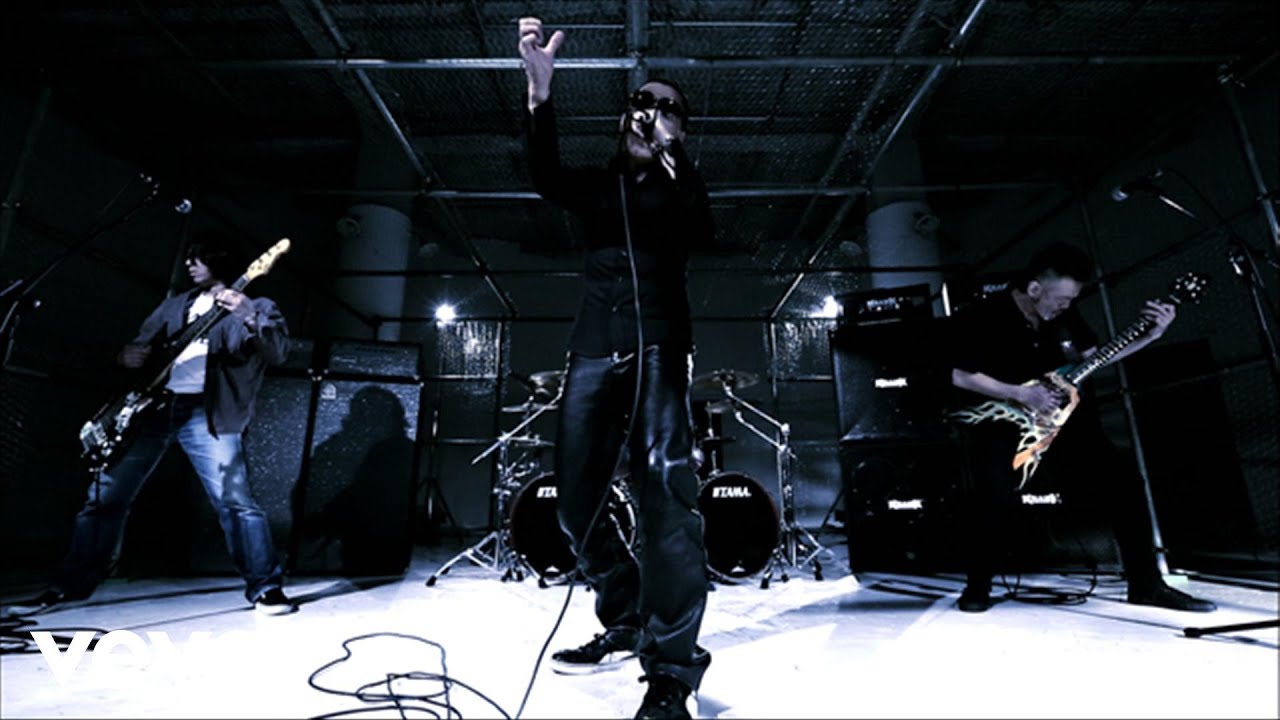
Ask a Japanese band kid why they’re alive, and the honest answer might be: to see Sabbat. That’s essentially what a friend of mine — thirty years deep in the Tokyo scene — told me once, and it stopped me cold. He wasn’t being hyperbolic. He meant it as something close to philosophy: that watching Sabbat perform is an act of self-confirmation, proof that your life is real and that it contains something worth having. The thrill of it, he said, is the specific thrill of sharing a timeline with a living legend — not reading about them in a book, not streaming a remaster, but existing at the same time they do. I’ve been to a lot of shows in a lot of countries and I’ve never heard anyone put the stakes of a concert quite that way. It tells you everything you need to know about what Sabbat means to the people who’ve grown up inside the Japanese underground.
Black metal has always been tribal. The genre’s early orthodoxy — Scandinavian winters, Christian-burning fury, a specific kind of Northern European mythological grievance — made it almost constitutionally hostile to outsiders. For a Japanese band to punch through that wall and earn genuine respect on five continents, not polite curiosity but the kind of obsessive, tape-trading, patch-sewing devotion the underground runs on, is almost structurally impossible. Sabbat did it anyway.
The short answer is Gezol. Sabbat’s bassist, vocalist, and creative nucleus has been running the band since the mid-1980s, which means he predates most of the Norwegian acts that would go on to define what black metal sounds like to the rest of the world. That seniority matters enormously in a scene that worships lineage. You can’t dismiss Sabbat as trend-followers when they were already deep in the rehearsal room before the second wave even had a name.
But longevity alone doesn’t build a cult. Plenty of old bands become museum pieces. What kept Sabbat alive and genuinely dangerous in the underground was a specific combination of factors that foreign listeners often miss when they try to explain the band’s appeal.
What the Underground Actually Heard
The first thing is rawness used intentionally, not as a budget limitation. Sabbat’s recordings have always sounded filthy, but there’s craft underneath the grime. The riff architecture is real. Strip away the tape hiss and the blown-out low end and there’s actual song-writing in there — melodic instincts that the Norwegian second wave would later make famous, except Sabbat was working on that vocabulary earlier, in parallel, from a completely different cultural entry point. To listeners who discovered the band through tape trading in the ’90s, that parallel evolution felt almost conspiratorial. Like finding the same equation scrawled in a notebook on the other side of the world.
The second thing is Gezol’s refusal to modernize on the underground’s behalf. The production never got cleaner. The pace never slowed down to accommodate streaming listeners. He kept putting out material aimed squarely at the people who already understood, and that exclusivity is catnip to a certain kind of devoted listener. The cult grew precisely because Sabbat never chased it.
There’s also a geographic mystique that shouldn’t be underestimated. For European and South American fans who encountered the band on tape or vinyl before the internet flattened everything, Japan was genuinely remote. Getting a Sabbat record required effort. That effort created investment. The scarcity wasn’t manufactured — it was just the reality of how far Tokyo is from anywhere else — but it did the same psychological work that manufactured scarcity does for bigger acts. The music had weight because owning it had weight.
Gezol himself seems to understand this dynamic intuitively. Interviews are rare. Mystique has been maintained. He’s never tried to explain the band to people who don’t already get it, which is the only correct strategy for this kind of project. The moment you start contextualizing yourself for a mainstream audience, you lose the plot.
Why This Matters for the Broader Scene
Sabbat’s story is worth understanding because it reveals something structural about how cult music travels. It doesn’t travel through marketing. It travels through quality, patience, and a kind of principled stubbornness. Gezol built something that couldn’t be replicated quickly, and the underground recognized it.
Which brings me back to what my editor said — that seeing Sabbat is an act of self-confirmation. That framing only makes sense if the band has already become something larger than a band, something closer to a fixed point in a person’s sense of who they are and why any of this matters. That’s not a relationship you build with a streaming playlist. It’s built over decades, through vinyl hunted down in distro lists and tape copies degraded by three generations of dubbing, through shows attended in small rooms where the ceiling sweats and the PA clips. Sabbat earned that relationship the only way it can be earned.
For foreign listeners approaching Japan’s extreme metal scene, the band remains the best single argument against the idea that geography limits artistic legitimacy. They never needed to be from Norway. The riffs were always the passport.
Find a copy of their early material on vinyl if you can. That’s the whole argument, pressed into plastic.