The Slot That Exists Nowhere Else
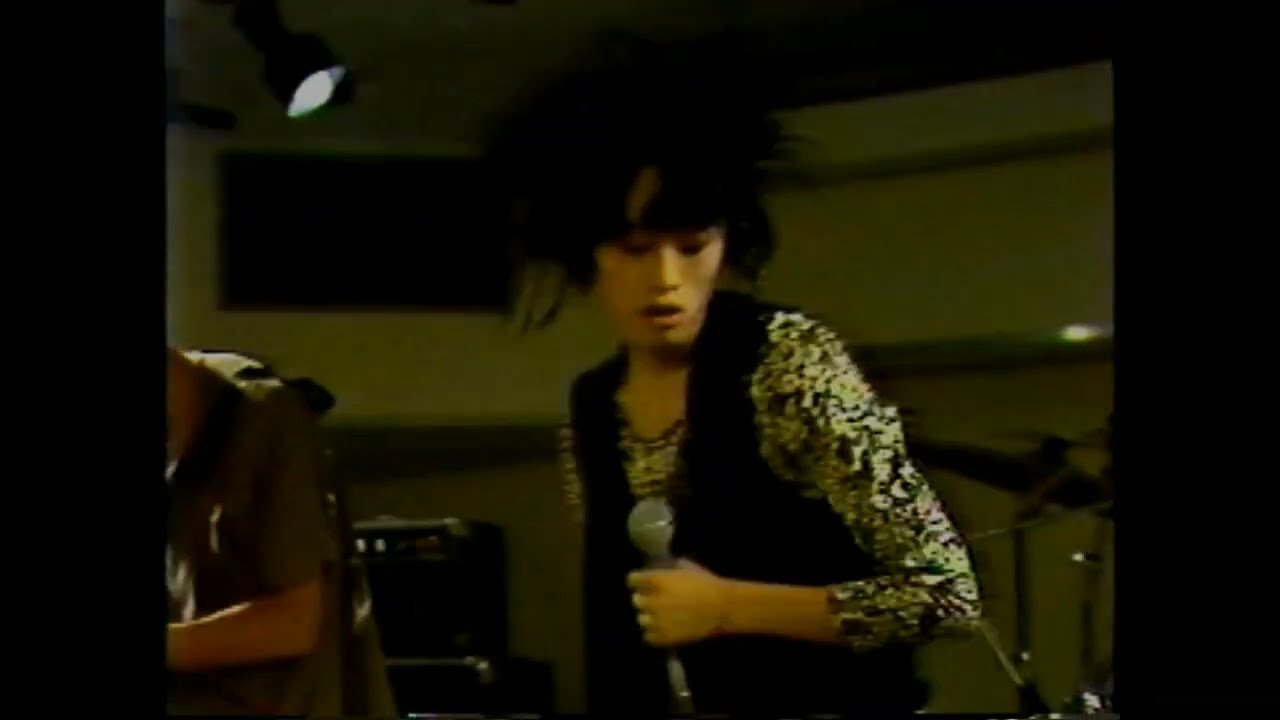
I still think about this sometimes: if I hadn’t watched that Boredoms video back then, I’d have regretted it for the rest of my life. I mean that literally. There’s a before and an after, and the before is just a smaller, duller version of the decades that followed.
That’s not the kind of thing you can say about most bands — that missing them would have genuinely diminished you. But the Boredoms were not most bands, and what they were doing in the mid-to-late eighties didn’t fit inside any frame you could have borrowed from somewhere else. Yamatsuka Eye’s confrontational noise-art instincts crashing into blunt-force hardcore energy: the result was less a sound than a permission slip. Aggression and pure abstraction were not enemies. A song could fall apart on purpose and hit harder for it. Thirty-plus years of standing in basements and flipping through micro-press releases across Tokyo have only made that clearer to me. Japanese extreme music has been metabolizing that permission ever since.
And it’s why serious grindcore collectors tend to end up with the same shelf problem. There’s the UK shelf. There’s the US shelf. And then there’s the Japan shelf — which, depending on the person, might be the biggest of the three. Not because Japan produces the most grindcore on the planet. It doesn’t. But because what comes out of Japan behaves differently enough that it refuses to sit next to anything else without feeling like a category error.
That separateness has a history, and understanding it means going back before most people’s idea of “Japanese grind” even starts — back to that video, back to that collision, back to a band that would bristle at the genre label and in doing so defined the genre anyway. The structural impatience, the refusal to resolve tension cleanly, the sense that the band is just as interested in the texture of the attack as in the attack itself — that lineage runs straight through everything that followed.
What the Scene Actually Runs On
The infrastructure is worth understanding because it shapes the music. Japan’s grindcore ecosystem has never been driven by medium-sized labels trying to build a roster. It runs on micro-press tape labels, short-run seven-inches with hand-stamped sleeves, basement splits between bands who may share three members between them, and a network of distros operating out of what look from the outside like glorified storage units. A pressing of three hundred copies is not a failure here. It’s the intended scale.
That scale enforces a kind of purity. Nobody in this world is making decisions to chase an audience. The band records, some trusted person presses it, it finds the thirty people in Sweden and the sixty people in the US who needed to hear it, and then it’s gone. The scarcity isn’t manufactured mystique — it’s just what happens when the people running things have day jobs and limited capital and genuinely do not care about reach. Foreign collectors who crack into this network talk about it with an almost evangelical fervor, and I get it. Once you understand the structure, every record feels like it was addressed to you personally.
The music reflects the infrastructure. Japanese grind tends to be tight in execution even when it sounds chaotic. There’s a craft obsession that runs deep in Japanese DIY culture broadly — the same impulse that makes a Tokyo record store employee spend forty minutes explaining why a particular pressing sounds different shows up in the way bands here treat a twenty-second song as a problem worth solving properly. The grind is fast, yes. Brutally compressed. But the arrangements, even at blastbeat speeds, feel considered. Intentional. The chaos is constructed.
Vocally, the scene has leaned hard into the Japanese noise tradition — voices treated as pure texture, lyrics either absent or buried so deep in the mix they function as another instrument. This is partly aesthetic and partly practical: English lyrics from a Japanese band can read as performance, so many just abandon the premise entirely and go further in the opposite direction. The result sounds alien to ears trained on American or European grind. Which is exactly why it gets its own shelf.
The bands who came up in the wake of that original permission-granting chaos, and who’ve since been followed by a generation running even smaller operations and making even stranger noise, form a scene that’s coherent without being homogeneous. Find one record. The next ten will find you.