
The Accident of Proximity
I sat down with Yu Hirano, the guy who started Shelter, and just listened to him talk about why he opened the place. It wasn’t a business calculation — it was pure passion for spreading music, this almost stubborn need to get sounds into people’s ears. That conviction is baked into the walls now. These days there isn’t a single metal kid or hardcore kid, not a soul in the underground scene, who doesn’t know Shelter. It’s the real deal. If you haven’t been, fix that.
That conversation stuck with me because it explains something that tourism guides and venue listings can’t quite capture: Shimokitazawa’s heavy music scene didn’t happen because of geography or economics. It happened because of people like Hirano who wanted it badly enough to build it from scratch.
Most cities scatter their live venues across transit lines and postcode borders. Shimokitazawa does the opposite. Within roughly a ten-minute walk from the north or south exits of the station — itself a pleasantly chaotic junction where the Odakyu and Keio Inokashira lines cross without quite agreeing on anything — you can hit several of Tokyo’s most storied small venues back to back, in the same night, without once hailing a cab. That sounds like a minor logistical convenience. It’s actually the structural reason a hardcore and heavy underground took root here and stayed.
Dense walkability changes how scenes form. When venues are far apart, scenes fragment: the kids at one room never quite meet the kids at another. When they’re this close, the opposite happens. Bands, promoters, zine writers, and regulars bleed between rooms constantly. Lineups get cross-pollinated. A metalcore act that draws twenty people to one stage finds itself sharing an audience with a powerviolence crew from the next block over. Over time, proximity manufactures community faster than any booking policy could.
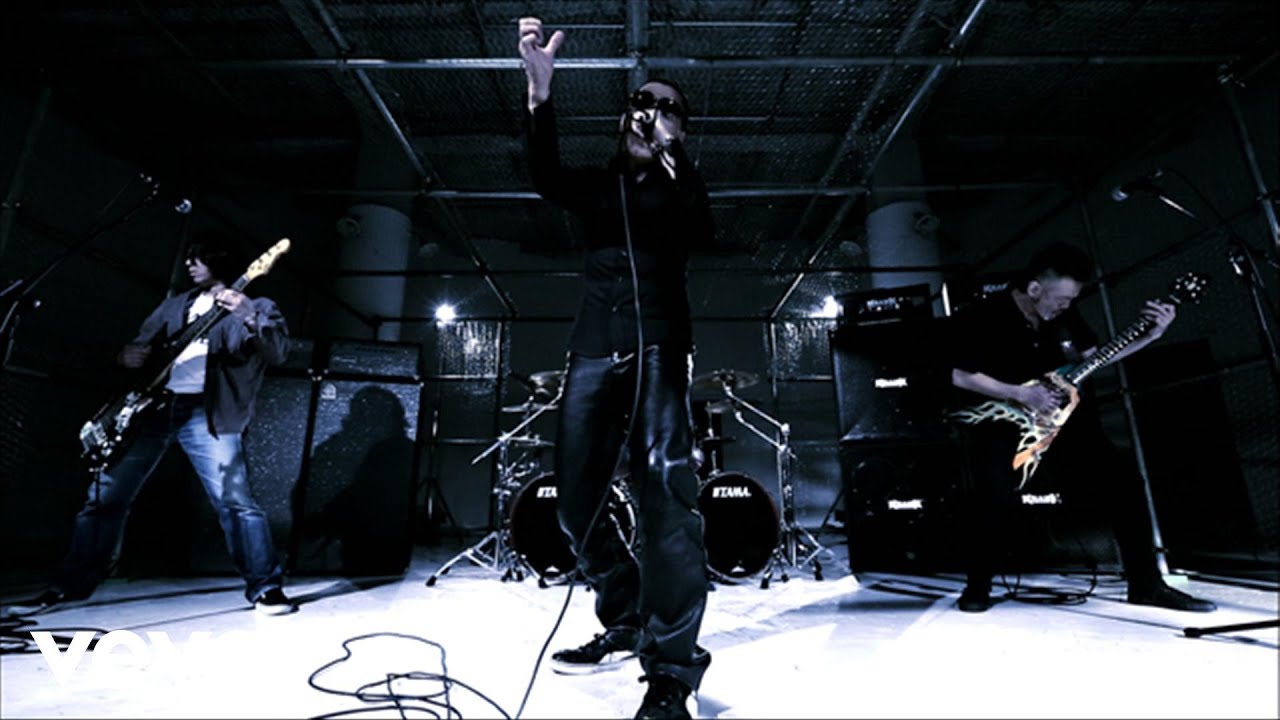
Shelter is the obvious anchor. Tucked beneath a record shop in the Shimokitazawa village of second-hand clothing stores and Thai restaurants, it has the kind of no-frills concrete feel that Japanese hardcore rooms seem to aspire to as a virtue rather than a budget constraint. The ceiling is low enough to matter. The stage is close enough that you are, whether you intended it or not, part of the performance. Bands that have played it tend to reference it the way American acts talk about CBGBs — not as nostalgia bait, but as a room that shaped what they thought playing live could feel like. Hirano’s founding energy never really left.
What the Rooms Actually Teach
Garage operates differently. Where Shelter can feel almost confrontationally intimate, Garage has historically functioned as a proving ground for bills that mix genre expectations — you might be sandwiched between a noise-rock outfit and something closer to thrash on any given Friday. That porousness is deliberate. In Japan’s heavy underground, strict genre segregation is actually less common than overseas audiences sometimes assume. The Shimokitazawa model, more than almost anywhere else in Tokyo, reflects that. Bookers here have long seemed to share an instinct that audiences are smarter than a single-genre evening implies.
Both rooms also share something less tangible: a relationship with failure that feels formative rather than shameful. Small crowds are normal here. A band playing to fifteen people at Shelter is not experiencing a disaster; they’re doing the thing. That cultural permission to exist without viral justification is quietly radical in an era when every performance is supposedly an audition for algorithmic approval. Shimokitazawa’s rooms have never cared much about that, and the scene they sustain is noticeably healthier for it.
Why the Geography Still Holds
Urban redevelopment has pressured Shimokitazawa for years. The long-contested burial of the Odakyu rail line underground changed the street-level texture of the neighbourhood, and plenty of cultural commentary called it the beginning of an erasure. Honestly, the heavy music rooms absorbed the disruption better than many feared. Part of that is stubbornness — the community that uses these venues is not easily nudged toward somewhere more convenient for commercial development. Part of it is the walkability factor again. As long as the cluster holds, the network effect holds with it.
Foreign visitors sometimes arrive in Shimokitazawa expecting a curated experience — the Tokyo version of London’s Rough Trade corner or Brooklyn’s venue strip. What they find is messier and more functional than that. Flyers on telephone poles. Hand-painted setlists taped to monitors. Promoters doing sound and selling merch at the same time. It looks amateur. It is, in the best sense of the word. This is a neighbourhood that builds scenes through physical closeness and accumulated trust, not branding strategy. Hirano understood that before he opened a single door, and thirty-odd years of Tokyo underground history have proved him right. That’s rarer than it sounds, and it’s worth crossing a few time zones to understand it firsthand.