
The Geography of Stubbornness
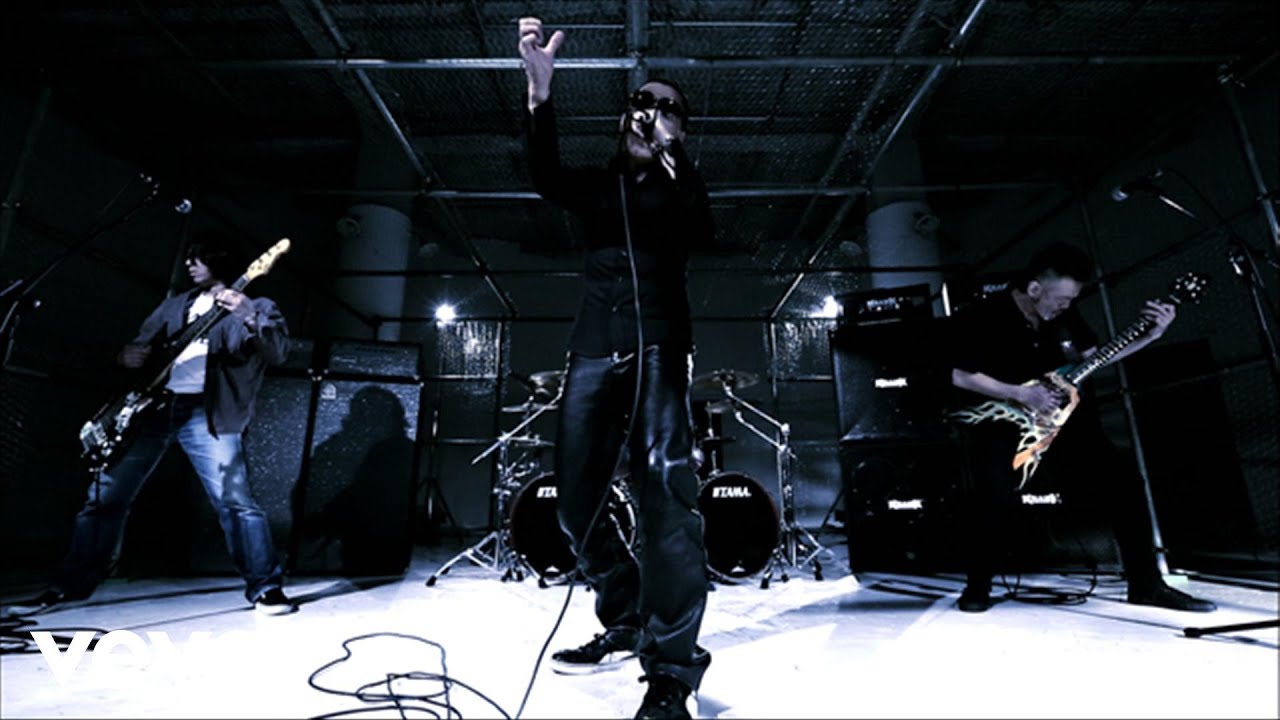
At every show, Outrage were always the loudest band on the bill — and I mean loudest in a way that felt almost wrong. I’m talking back when I was in junior high, standing there thinking someone must have messed up the sound check, that a cable had slipped or a monitor was feeding back. Nope. That was just them. That was just what Outrage sounded like when they meant it, which was every single time.
That memory has never really left me, and neither has the band. Thirty years of going to shows in this country and I still use that first gut-punch of volume as a kind of baseline — the thing I’m measuring everything else against without quite realizing it. It tells you something about Nagoya that the band who set that standard came from there and not from Tokyo, where I eventually ended up. Nagoya doesn’t get enough credit. Not in J-pop discourse, not in rock journalism, and especially not in the international metal conversation. Tokyo absorbs all the oxygen, Osaka gets the scrappy underdog story, and Nagoya sits between them doing exactly what it wants — which is, historically, something meaner and more mechanical than either of its neighbors.
The first wave of Nagoya thrash didn’t happen because a few kids got lucky. It happened because of distance. Distance from the Shinjuku venues setting the aesthetic agenda. Distance from the Osaka punk scene’s rougher populism. Sitting on the Tōkaidō corridor between Japan’s two biggest cities, Nagoya musicians were close enough to absorb both influences and stubborn enough to discard what didn’t fit. What was left was leaner. Faster. Built around precision rather than attitude.
Outrage are the obvious entry point, and for good reason. Formed in Nagoya, they landed at a moment when Western thrash — Bay Area and Teutonic both — was making its way onto Japanese import shelves. But the way Nagoya’s scene absorbed those records sounds different from how Tokyo absorbed them. Tokyo’s early thrash and speed metal outfits tended toward either polished ambition or theatrical extremity. Nagoya went tight. The riffing stayed locked, the tempos stayed punishing, and there wasn’t much patience for extended mid-paced breakdowns that existed purely to give the audience a moment to breathe. You keep up or you don’t.
Why the Sound Stayed Hard
Part of what made Nagoya’s first wave stick is that the city never really developed the same kind of major-label gravitational pull that Tokyo had. That sounds like a disadvantage. It wasn’t. Bands didn’t write toward an A&R meeting. They wrote toward each other, toward the local venue floor, toward the specific crowd that was showing up in that city to hear that music. The insular quality that might have strangled another scene actually worked as a pressure cooker.
Outrage, across their catalog, sound like a band forged under exactly that pressure. The rhythm section hits with a kind of industrial stubbornness. The guitar work favors tension over flash — you feel the clench of it before you feel the release. And the vocals carry that same quality: aggression framed as controlled force rather than operatic wailing or punk-adjacent bark. It’s a specific aesthetic, and it’s one that took root in a specific place.
The bands around them in that first wave shared enough of those qualities to suggest this wasn’t personal taste — it was a scene with an actual aesthetic position. Nagoya thrash at its peak had a collective center of gravity that pulled musicians toward precision, toward density, toward the feeling that every beat had weight behind it.
That isn’t accidental. Factory towns make a certain kind of music. Nagoya’s industrial economy — automotive manufacturing at its core, logistics and engineering built around it — shapes the people who grow up there, the jobs their parents work, the aesthetic values that filter down without anyone naming them. There’s a reason Detroit makes the music it does. There’s a reason Sheffield does. Nagoya belongs in that conversation.
What It Means to Follow This Scene
For foreign listeners coming in fresh, the practical recommendation is simple: start with Outrage and resist the urge to treat them as a gateway to something more “internationally recognized.” They’re not a gateway. They’re the destination. Let the catalog breathe. The early records hit differently from the later ones, and tracing that evolution tells you more about the Nagoya scene’s arc than any retrospective could.
Then go sideways. Look for what else was happening in Nagoya’s clubs during that same window. The bands sharing stages with Outrage weren’t imitations — they were contributors to the same conversation. That conversation was worth having.
Nagoya built something that Tokyo couldn’t have built for it. That’s the whole story, honestly.