
The Wall Was Never About the Music
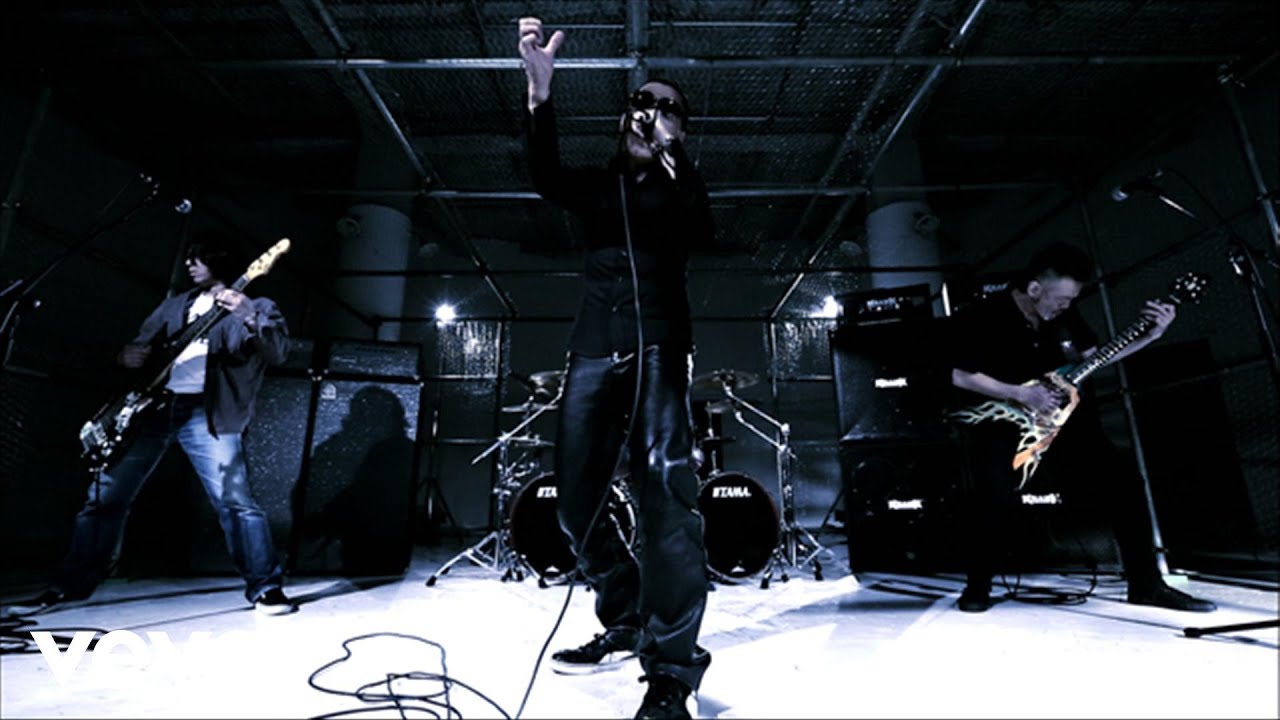
I’ve been watching this scene for thirty years, and if there’s one thing that’s stuck with me every time I’ve seen them live, it’s how locked-in the members are with each other. The playing is tight every single time — no lineup shuffles, no dips in chemistry, just a band that keeps building its own legend show by show. That consistency isn’t incidental. It’s the whole argument.
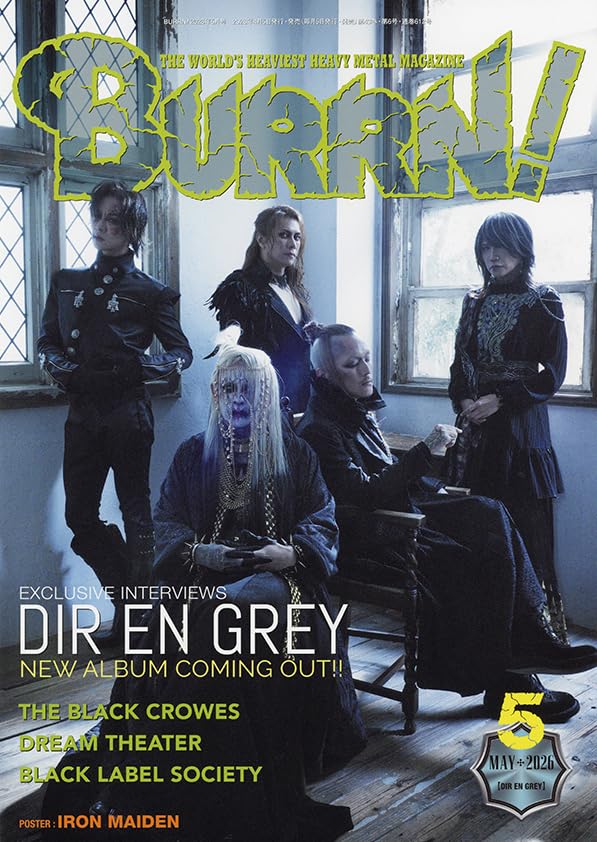
For years, the Western metal press operated on a simple, unspoken rule: if it comes with eyeliner and Victorian corsets, it goes in the J-pop file. Didn’t matter how brutal the riffing was. Didn’t matter if the drummer could outpace half the acts on any major festival bill. Visual kei existed in a separate mental folder, and editors kept it shut.
This wasn’t purely aesthetic snobbery, honestly. It was structural. The Western metal press — and the metal audience it serves — has always granted legitimacy through a specific pipeline: touring, press cycles, festival slots, word-of-mouth from trusted voices inside the scene. If a band skips that pipeline, it simply doesn’t register, regardless of quality. Plenty of devastating Japanese heavy acts never got a second glance because they never showed up where the gatekeepers were watching. Visual kei, as a scene, was largely content staying in its own ecosystem — a self-sustaining world of dedicated fanbases, domestic venues, and a merchandise economy that frankly didn’t need Western approval to survive.
Dir En Grey changed the equation not by changing their sound for Western audiences, but by refusing to stay home.
What Actually Moves the Needle in Metal Media
To understand why their overseas live work mattered so much, you have to understand how metal credibility actually travels. It doesn’t flow from streaming numbers or YouTube views. It flows from room-to-room, venue-to-venue, from one sweaty show to the next. When a band plays a festival in Europe alongside acts that Western critics already cover, those critics have to confront them physically. They can’t file-and-forget. The band is there, on the same stage, in the same dirt, doing the same job.
Dir En Grey did exactly that. They didn’t play Japan-themed showcase events. They played metal festivals. They opened for Western acts with established metal audiences, which put them in front of crowds that had no pre-existing framework for visual kei — crowds who had to assess the band purely on what they were hearing and seeing in real time. And those crowds responded. That response — documented, visible, undeniable — gave journalists cover to write about them without the piece feeling like a novelty sidebar about “weird Japan stuff.”
That’s the mechanism. Legitimacy in metal media isn’t declared, it’s witnessed. And Dir En Grey made themselves impossible not to witness.
The Ripple the Others Rode
Here’s what’s interesting, though. Dir En Grey’s international visibility didn’t just open doors for Dir En Grey. It quietly recalibrated how the Western metal press thought about the entire visual kei space. Editors who had spent years ignoring the genre started asking — maybe correctly, maybe late — whether they’d been leaving coverage on the table. Bands that had nothing to do with Dir En Grey’s particular brand of harrowing, progressive heaviness suddenly found themselves mentioned in the same breath, simply because a connective tissue now existed in the Western imagination: visual kei can be metal, actually.
That’s a double-edged shift. It created genuine opportunity for coverage that was long overdue. It also created a new kind of flattening, where radically different bands get lumped together under a freshly legitimized umbrella, losing some of the internal nuance that makes the scene so fascinating to people already inside it.
To be real, neither outcome cancels the other out. The wall coming down matters. The fact that it took this long — and that it required a specific band to do a specific kind of grinding, unglamorous international work to make it happen — says something uncomfortable about how Western metal media decides what counts. The music was always there. What changed was the proof of presence, the undeniable body of live evidence that the gatekeeping apparatus finally had no choice but to process.
The passport, it turns out, was always stamped in sweat. Not ink.