
What Zepp Actually Is
The show that really stuck with me was Megadeth’s Japan tour in 2017. I’d been going to metal gigs in this country for decades by that point, but walking up to the venue that night I genuinely stopped in my tracks — the queue was enormous, a proper snaking mass of denim and patches and band tees, metal kids absolutely everywhere you looked. It was one of those moments where the scale of it hits you all at once, where you remember that this scene is real and deep and keeps replenishing itself. That was a Zepp night. That’s what Zepp nights can feel like.
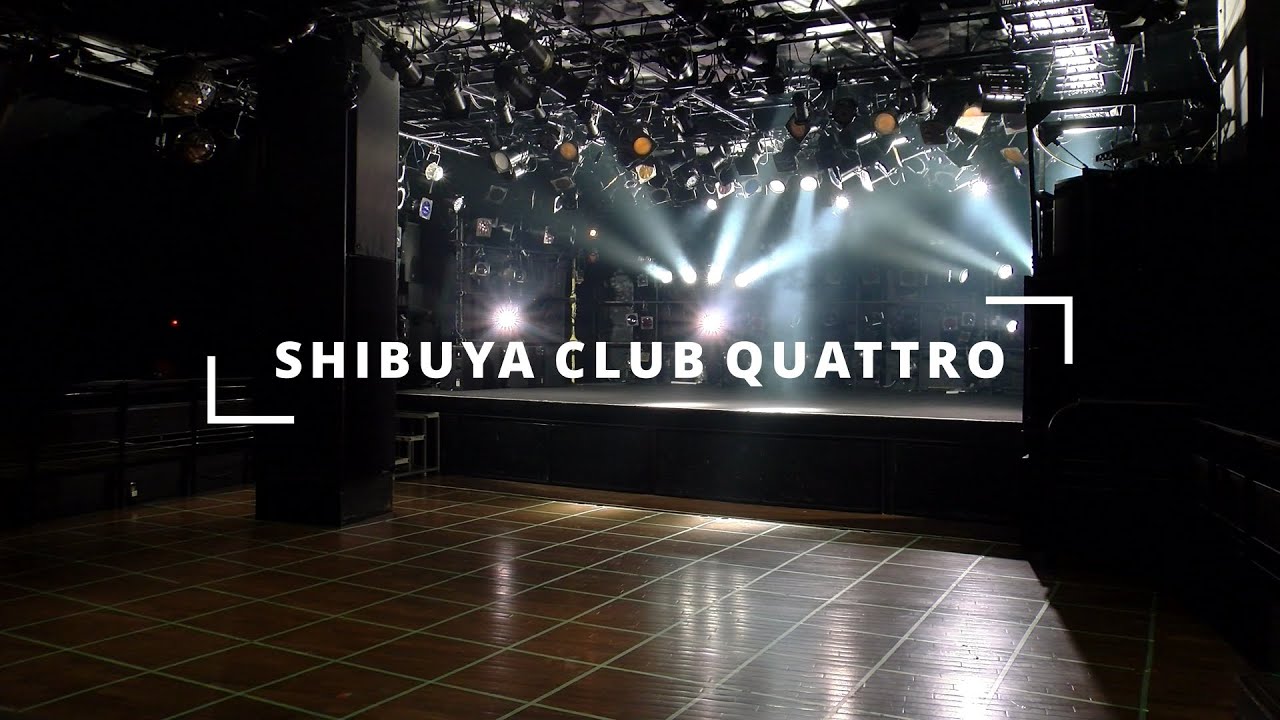
If you’re into metal and you’re spending any real time in Japan, you’re going to end up at one of these venues more than once. Zepp operates multiple locations across the country — Tokyo, Yokohama, and Osaka forming the backbone of the network — and each room sits in that sweet spot between live house intimacy and full arena spectacle. We’re talking around 3,000 capacity, and that scale shows in every design choice: proper PA rigs, serious lighting infrastructure, sightlines that actually work. These aren’t converted warehouses or clubs that grudgingly host louder acts. They were built for this, and you feel that the second you walk in.
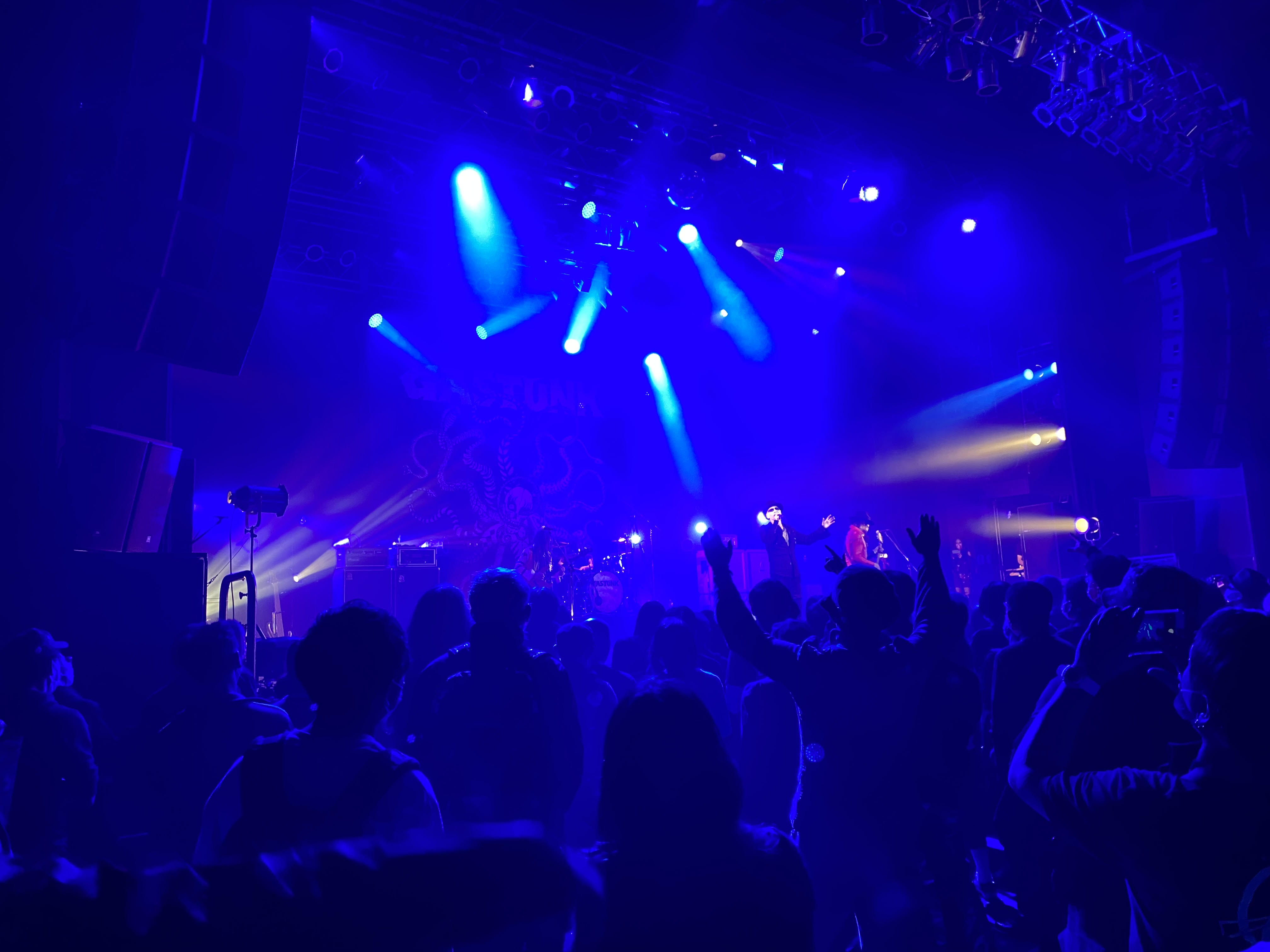
The booking profile skews toward acts that have outgrown the live house circuit but aren’t quite ready — or don’t want — the full arena treatment. International touring bands landing Japan dates very frequently anchor those dates at Zepp venues. Domestic metal and hard rock acts treat a Zepp booking as a legitimate milestone. I’ve caught shows here where the floor was absolutely locked in from first song to last, that kind of crowd density where you feel the kick drum in your chest rather than just hear it.
Getting In, Getting a Drink, Getting Home
For foreign attendees, a few things are worth knowing before you show up.
Tickets in Japan are almost always sold through platforms like e-plus or Lawson Ticket, with physical purchase options at convenience store terminals — yes, you can buy a gig ticket at 7-Eleven, and yes, that’s as convenient as it sounds. Most venues also support app-based and QR-code entry now, so check your confirmation email carefully and have your phone charged. ID checks do happen, particularly for shows with age restrictions, so carry your passport.
The drink charge is standard practice at Japanese live venues. You’ll pay a small fee on entry — think of it as a mandatory first drink or a cover equivalent — and exchange it for a beverage at the bar. It’s not a big deal financially, just factor it in. Staff are generally efficient and the bar lines move quickly between sets.
Location-wise, each Zepp sits in a developed urban district, which means access is usually straightforward by rail. Tokyo, Yokohama, and Osaka all have dense train networks, and Zepp venues tend to cluster near waterfronts or entertainment districts where the surrounding infrastructure already handles foot traffic well. After a show, you won’t struggle to find somewhere to eat or grab a beer — konbini, ramen spots, izakaya chains — Japan does post-gig eating extremely well. Just don’t expect everything to stay open past midnight if the show runs long.
Why It Matters
Zepp is kind of the bellwether for how healthy the mid-tier live music scene in Japan is at any given moment. When international acts are routing through here, it means the market is strong. When domestic heavy bands sell these rooms out, it means the underground has punched upward successfully. Either way, a night at a Zepp tends to feel like the real thing — properly staffed, professionally run, and with an audience that came specifically to be there. That Megadeth crowd in 2017 wasn’t an anomaly; it was a reminder. That’s not something you can take for granted anywhere.
If you’re building a Japan itinerary around live music, put at least one Zepp show on the list. You won’t regret it.