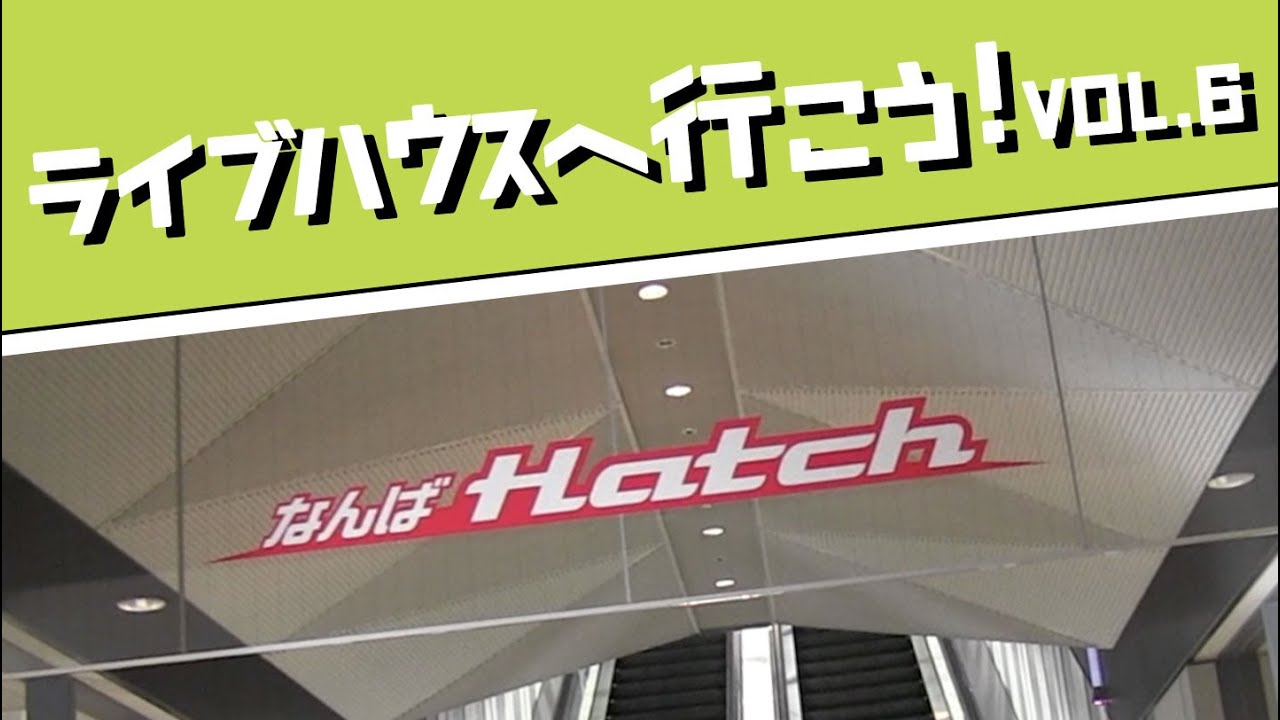
The Room Itself
“Ah, it’s above ground — not underground!” That was my first thought walking up to Namba Hatch. For a live house, it was almost shockingly clean. (I laughed at myself a little for noticing.) Anyone who’s spent time crawling in and out of the basement venues that define so much of Japan’s heavy music circuit knows what I mean — you develop a certain expectation of descending stairs, of low ceilings and exposed pipes, of a smell that arrives before the sound does. Namba Hatch defies all of that. It sits right there at street level, and it looks the part.
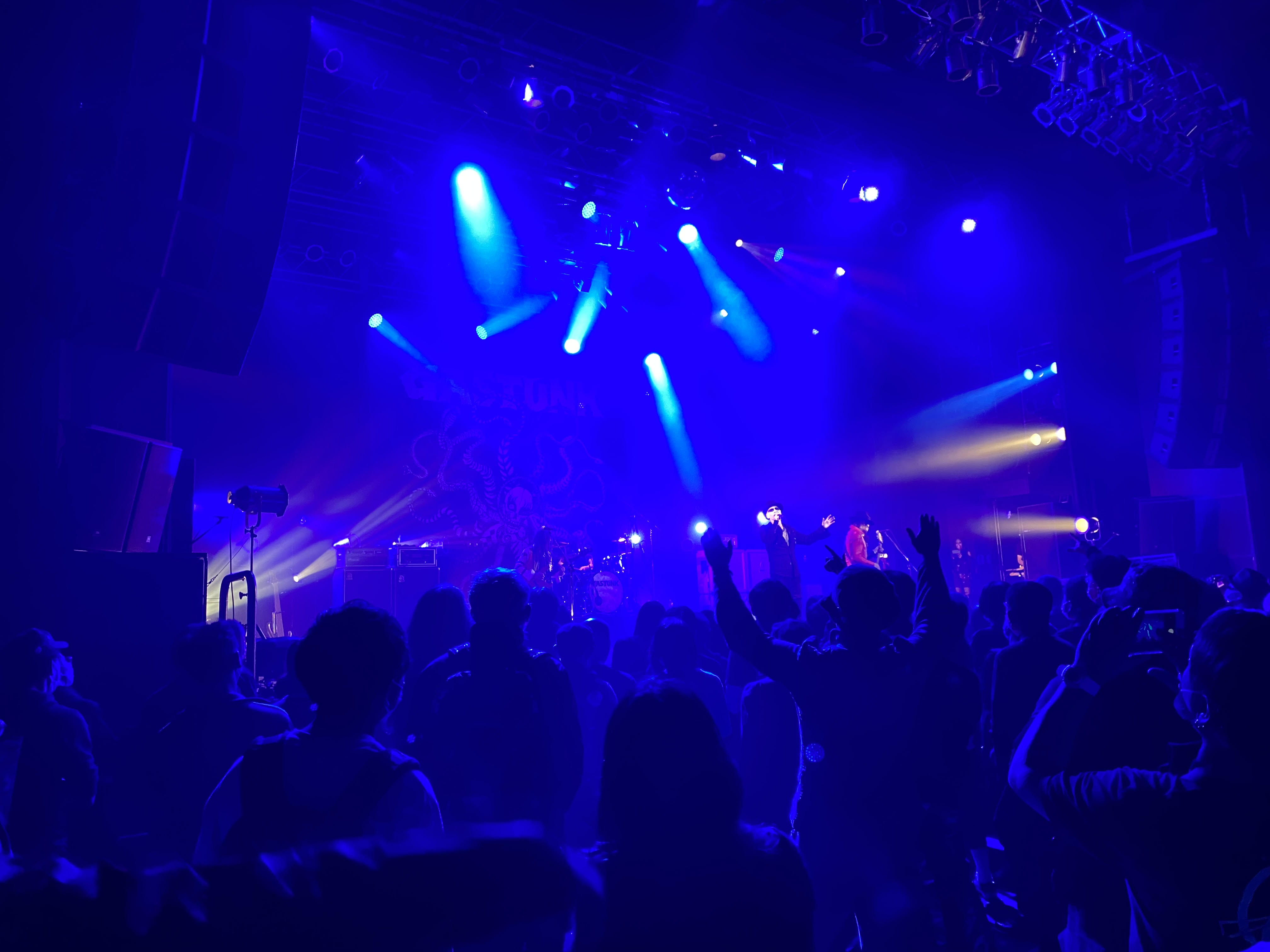
That surface-level surprise turns out to say something real about the place. This is a mid-to-large venue with actual ambitions, the kind of room that feels purpose-built for exactly the moment a touring band from overseas finally crosses the Pacific. Not a cramped basement sweat-box, not an arena where you lose the band to the distance — somewhere in between, which is exactly where heavy music tends to hit hardest.
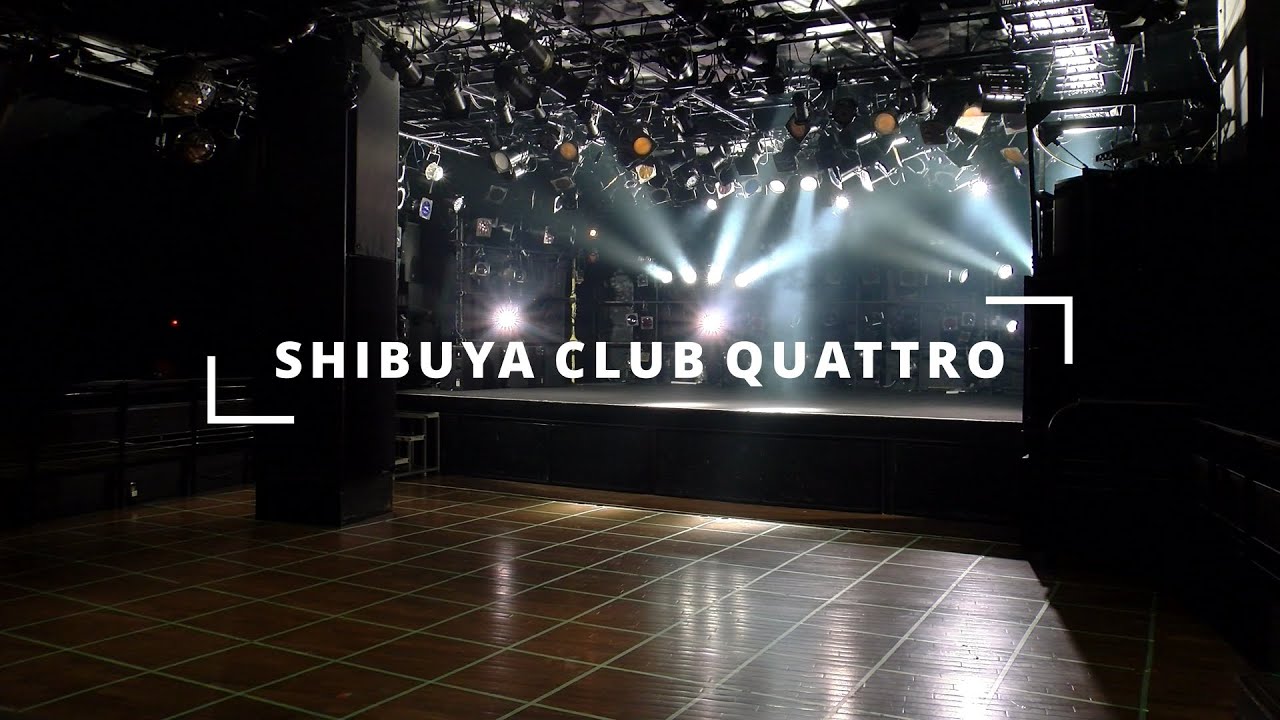
The stage presence is serious. Good sight lines from most spots on the floor, enough headroom that the sound doesn’t turn into a blurry mess, and the kind of PA that makes you feel the kick drum somewhere in your sternum. That physicality is the first thing that lands when you catch a show there. You feel the room working with the band rather than against it.
Bookings lean international. That’s the word around the Osaka scene — 難波の海外バンド定番, the go-to for overseas bands in Namba. If a Western or European act is doing a Japan run and putting Osaka on the itinerary, Namba Hatch is almost certainly in the conversation. That alone should tell you something about the venue’s standing.
Getting There and Getting Through the Door
Namba is one of those parts of Osaka that foreign visitors actually find pretty navigable. The area sits within easy reach of Namba Station, served by multiple lines, so getting there from central Osaka or even from Shin-Osaka after landing off a shinkansen is less stressful than it sounds. From the station it’s a reasonable walk, and the surrounding streets are lit up and busy enough that you’re not fumbling around in the dark.
Tickets in Japan generally run through e-plus or Lawson Ticket — you can grab them at Lawson convenience store terminals using the Loppi machine, which works even if your Japanese is shaky, since the interface has become fairly foreigner-friendly over the years. Buying in advance is always the smarter call for anything with international headliners; sold-out shows here are a real possibility.
At the door, have your ID ready. Japan’s venues enforce age restrictions, and foreign passports are accepted without drama at most places. One thing to know going in: the drink charge. Most Japanese live houses and mid-size venues collect a drink fee at the door or at the bar — usually around 500 to 600 yen, sometimes folded into the ticket price, sometimes paid separately as a drink ticket you exchange at the bar. Ask when you enter if it’s not immediately clear; staff at venues that book international acts tend to be used to confused-looking foreigners and will sort you out.
After the Show
Namba doesn’t let you down here. To be real, the area surrounding the venue is one of the more chaotic concentrations of izakayas, ramen counters, and late-night spots in all of Japan. Post-show options range from standing ramen joints where you’re in and out in fifteen minutes to full izakaya situations where the group ends up staying until the last train becomes a fond memory. Takoyaki, obviously. The kind of greasy, perfect street food that pairs surprisingly well with post-metal endorphins.
Don’t overthink it. Walk out of the venue — up and out onto the actual street, remember, because this place is above ground — pick a direction, and something good is almost certainly in front of you. That’s Namba.