The Tokyo Band That Doesn’t Sound Like It
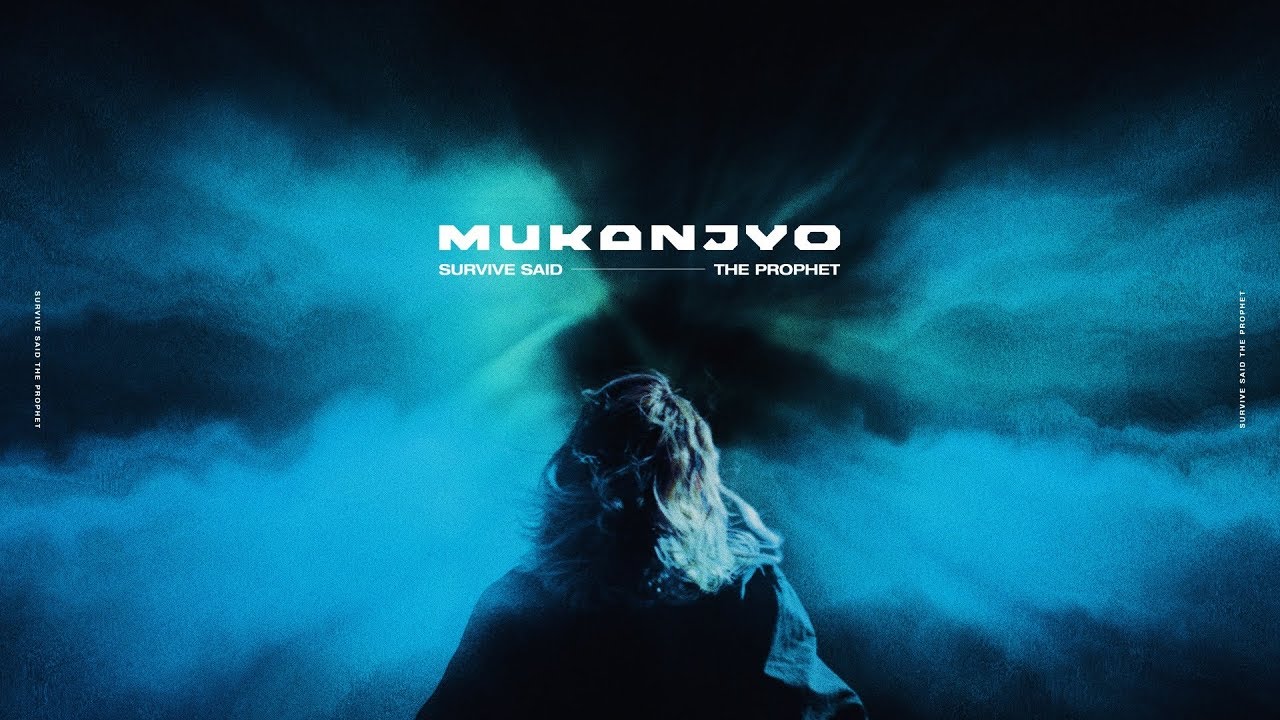
Look, plenty of people will argue this isn’t really metal — and fair enough, maybe it isn’t, not in the strictest sense. But if you’re talking about loud music and what Japan is genuinely capable of at the highest level, Survive Said The Prophet are the proof you hand someone who’s still skeptical. That’s where I keep landing every time I come back to them, thirty years into watching this scene from up close.
What strikes me first is the bilingual approach. English and Japanese weave through their songs without the seams showing, which sounds easier than it is. Plenty of Japanese acts trip over the English, or lean so hard into it that the Japanese starts to feel like a legal disclaimer. Survive Said The Prophet — formed in Tokyo in 2011 — treats both languages as equally weighted tools, and the emotional delivery stays locked in regardless of which one’s carrying the verse at any given moment. That’s genuinely rare. There’s a confidence here that takes years to develop. Not swagger, exactly. More like a band that has figured out what it actually wants to say and stopped worrying about whether you’ll follow them there.
The music itself lands somewhere between melodic post-hardcore and the cleaner end of alternative rock — think earnest, hook-forward songwriting with enough edge that you’d never mistake it for pop. Guitars are present and purposeful rather than decorative. Rhythmically they stay tight without going robotic. And the vocals — both the cleaner melodic passages and the harsher moments — feel controlled, expressive, not gratuitous. Post-hardcore from Japan has a specific reputation abroad: too polished, too anime-adjacent, or trying too hard to clone a 2007 American sound. Survive Said The Prophet breaks most of those assumptions within about forty seconds of a first listen.
Built for Stages, Not Just Speakers
I caught their show at a Tokyo venue a couple of years back and the crowd energy told me everything I needed to know about where this band sits in the local scene. These aren’t casual listeners milling around with drinks. People knew every word. The bilingual thing I mentioned above becomes even more interesting live — the audience switches registers right along with the band, no hesitation, which gives you a sense of how deep the connection runs.
Tokyo’s music scene is enormous and brutal in equal measure. Breaking through it to the point where a room full of people loses their minds to your set is no small thing. Survive Said The Prophet have clearly put in the years — formed in 2011, which means they were grinding through that whole mid-decade stretch when the genre was getting reshuffled globally. They came out with their identity sharpened rather than sanded smooth, and that matters.
There’s also a crossover appeal here that doesn’t feel cynical. The kind of band that a J-rock fan can walk into from one side and a post-hardcore lifer can walk into from the other, and neither one feels like they’re compromising. That’s a hard needle to thread. Some bands hit it accidentally. Survive Said The Prophet hit it with apparent intention.
To be real — if you’re outside Japan and you haven’t heard them, you’re missing a band that would likely have real traction in Western markets if geography didn’t create such a natural filter. They’re good enough to matter on any stage. Go find a live clip first. The room will convince you faster than I can.