
The Room That Earns Its Reputation
Step away from Shinjuku’s chaos and you’ll find somewhere even louder. That’s where Japan’s metal scene actually expands outward from — and I say that having watched it firsthand for thirty years. I still remember catching Crystal Lake early in my salaryman days and feeling genuinely shaken up, in the best possible way. That kind of electricity doesn’t come from comfortable rooms.
There are live houses in Tokyo that feel like they were built by committee — decent sound, clean bathrooms, maybe a bar that serves craft beer and tries a little too hard. Antiknock is not that place. Tucked into Shinjuku, one of Tokyo’s most chaotic and layered neighborhoods, it operates like a standing dare. Step inside and the room immediately tells you what it expects from you: everything.
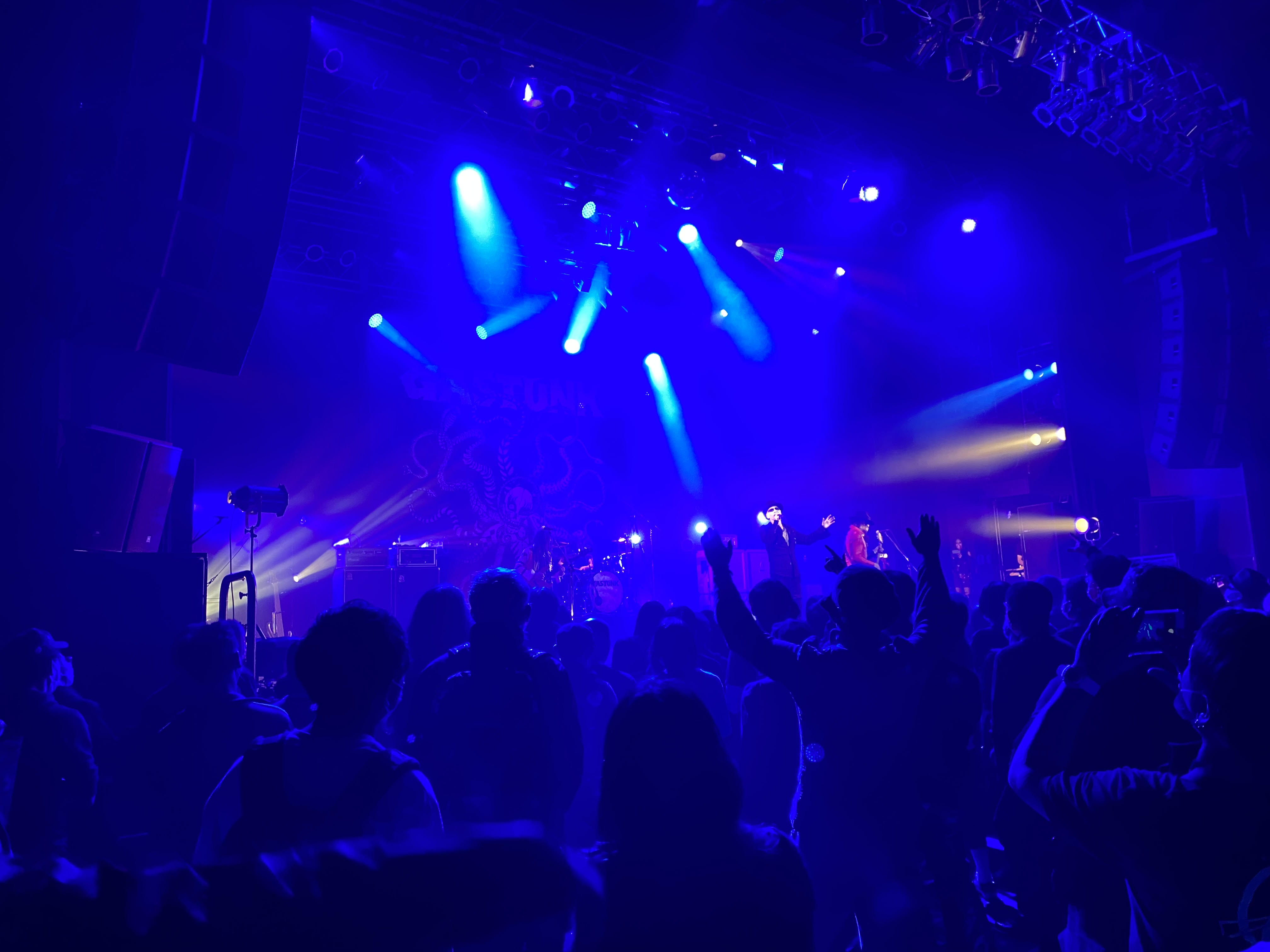
The space holds around two hundred people, and I promise you, when it’s full, the ceiling drips. That’s not a complaint — it’s practically the point. Hardcore and punk shows live or die on physical compression, on the feeling that the crowd and the band are sharing the same pressurized air. Antiknock gets that better than almost anywhere else in the city. The stage is close, the sound is direct, and there’s nowhere to hide behind ironic detachment. You’re in it.
Bookings here skew hard. This is a venue with a reputation built on Japanese hardcore, punk, and the rougher edges of the underground — the kind of bills where bands load in their own gear and the set changeovers are fast because everyone in the room is impatient. If you’ve been digging through Japan’s DIY hardcore scene from overseas and wondering where it actually happens at street level, Antiknock is a significant part of the answer.
What a Foreign Visitor Needs to Know
Getting there is straightforward. Shinjuku Station is one of Tokyo’s biggest transit hubs — served by JR lines, the Tokyo Metro, and private railways — and Antiknock is within walking distance. The exact walking time depends on which exit you use, so check Google Maps from your specific exit once you’re there; Shinjuku rewards exit-awareness.
Ticketing in Japan usually runs through e-plus or Lawson’s Loppi terminal system for advance tickets, or you pay at the door on the night if the show hasn’t sold out. Lawson convenience stores are everywhere, and the Loppi machine (a touchscreen kiosk near the entrance) is the standard way to collect pre-purchased tickets. Honestly, for a venue like Antiknock, a lot of shows are ticketed through the bands themselves or local flyer distribution, so following the specific acts on social media before a show is your best practical move.
Once inside, expect a mandatory drink charge — this is completely standard at Tokyo live houses, typically a few hundred yen on top of your ticket, redeemable at the bar. Have cash ready. While IC cards and card payments are increasingly common across Tokyo broadly, smaller underground venues often still run cash-only or cash-preferred at the bar. ID checks are standard if you look young; Japan’s drinking age is twenty, and venues take it seriously.
Shinjuku is genuinely one of the best neighborhoods in the world to wander after a show. Golden Gai — a dense cluster of tiny bars, each seating maybe six or eight people — is close by, and it’s exactly as atmospheric as people say. Kabukicho is loud and alive at any hour if you want ramen or yakitori or both. For a post-Antiknock night, honestly, you don’t need a plan. Just walk.
The venue’s reputation didn’t happen by accident. It was earned show by show, in a room where the compromise level stays at zero.