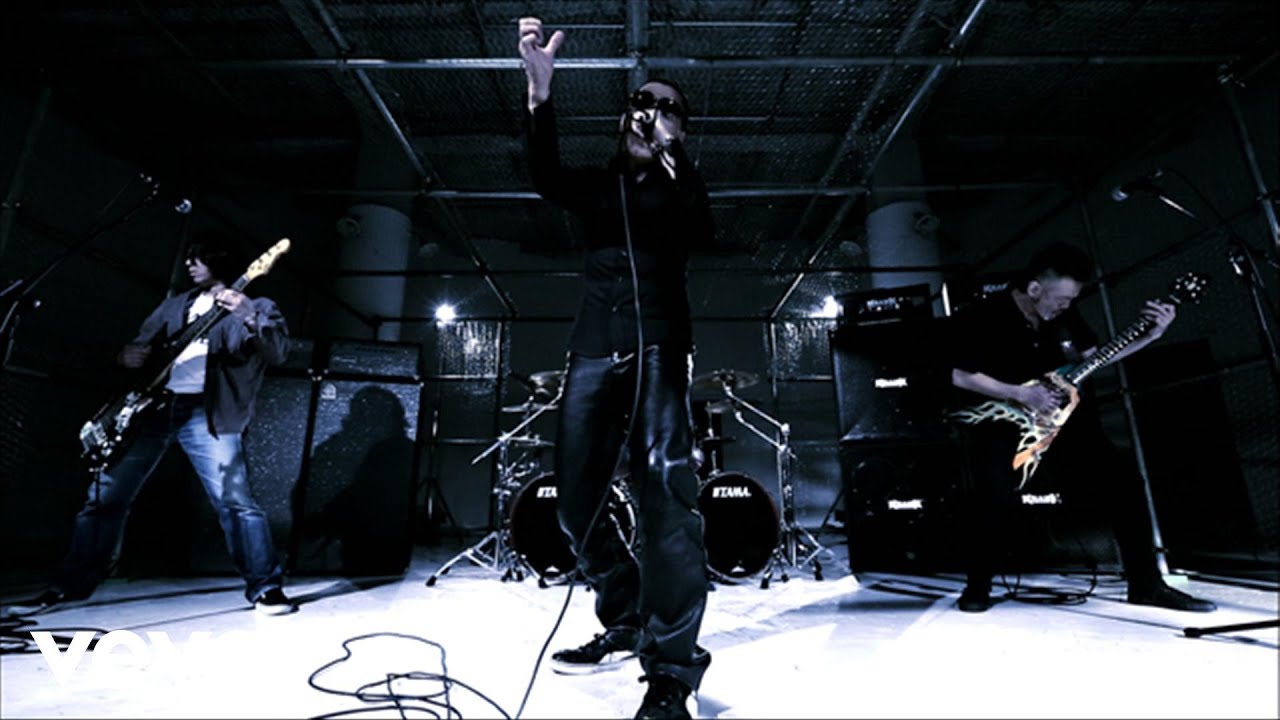

There’s an invisible institution in every national rock scene: the opening slot for visiting foreign acts. In ’80s Japan, when Western metal’s touring machinery arrived, somebody local had to walk out first — in front of an audience that had paid serious money for the headliner and regarded the opener as an obstacle. Promoters didn’t hand that job to their friends. They handed it to bands that could not embarrass them. SHELLSHOCK got the call — including the big one: when Kreator, Germany’s thrash standard-bearers, played Japan, SHELLSHOCK were the band sent out first. Why them is a better story than the shows themselves.
Credential One: The Crossover Passport
SHELLSHOCK formed in 1984 in the Kanto scene, and their crucial trait was fluency in two languages at once. Japanese heavy music of that decade ran on parallel tracks — the metal world of precision and the hardcore world of violence — and the bands who mattered most, SHELLSHOCK among them alongside DOOM and GASTUNK, held dual citizenship. That mattered commercially: a crossover-fluent opener worked for any headliner. German thrash titans like Kreator? Heavy and precise enough to survive that crowd’s judgment. Hardcore-adjacent bill? Fast and mean enough. A promoter booking one reliable opener for wildly different foreign acts needs exactly this band.
Credential Two: The Scene’s Own Vetting
The second filter was internal. The Kanto thrash axis — SHELLSHOCK, CASBAH, UNITED, JURASSIC JADE — was a small, brutally honest ecosystem where every band’s live reliability was known to the yen. The Skull Thrash Zone generation had already sorted itself by the only metric that counts: what happens when the amps turn on. Foreign promoters and their Japanese partners didn’t need to gamble; the underground had done the quality control for them.
Credential Three: Nothing to Lose, Everything to Prove
And then the intangible. An opening slot in front of a skeptical foreign-headliner crowd is hostile territory, and it rewards a specific temperament — bands that play harder when unwanted. The ’80s Japanese underground was full of that temperament, and SHELLSHOCK embodied it. You don’t survive that scene’s basement economy without learning to win rooms that didn’t come for you.
The Long Echo
The band’s later history — the split, the 2009 reunion, new material after decades — matters less than the institutional lesson. Every Japanese band this site covers who now headlines abroad walks a road paved by the openers of the ’80s, who proved to visiting Westerners, one hostile thirty-minute set at a time, that Japan’s underground was not a support act by nature. It was just waiting its turn.