
A scene’s life cycle shows in the kinds of bands it produces. First come the pioneers, playing to prove the category can exist. Then the institutions, playing to prove it can last. Then the exporters, playing to prove it travels. And then — reliably, in every healthy scene from ’70s British rock onward — come the supergroups: veterans of the earlier phases pooling their accumulated craft into new vehicles. Japan’s female metal world has now formally entered that fourth phase, and it’s worth pausing on what that means.
The Evidence
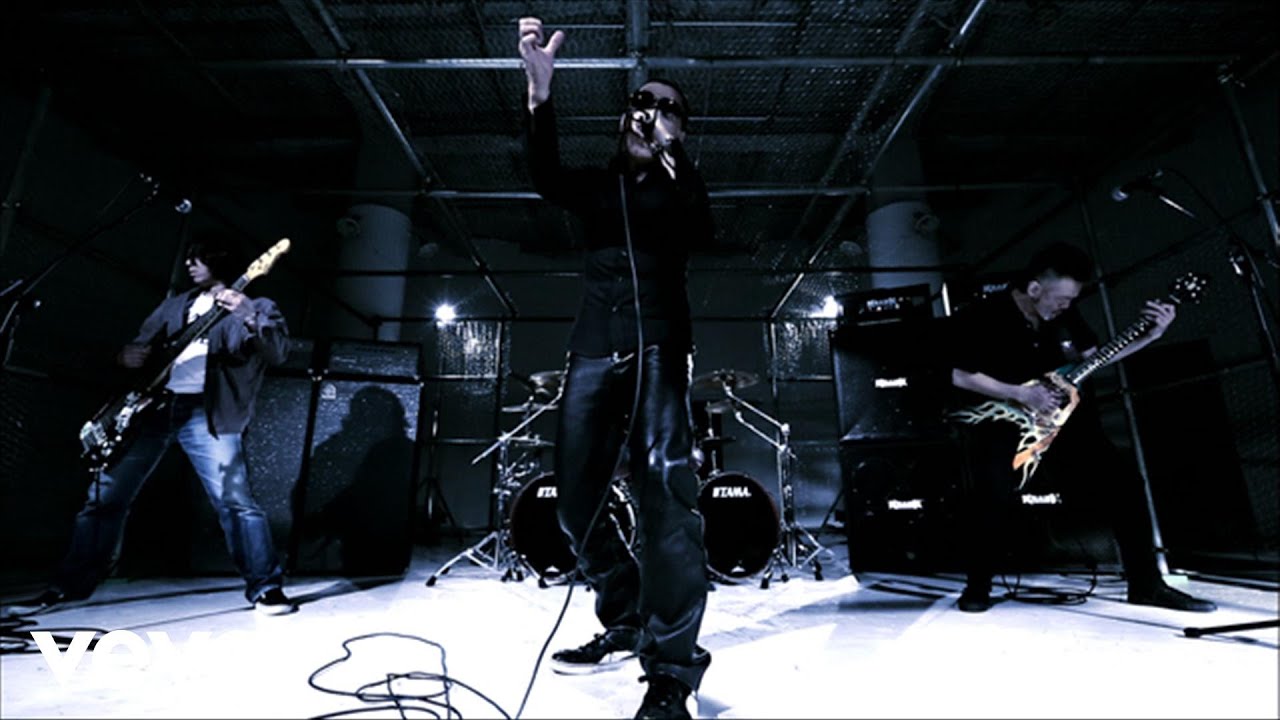
The clearest exhibit is Zilqy, announced in September 2025: an ex-Aldious guitarist and an ex-LOVEBITES bassist — alumni of the scene’s two great schools — building a bilingual, export-designed band from zero. But the pattern predates them. DOLL$BOXX assembled Gacharic Spin’s rhythm machine under Fuki’s power metal soprano more than a decade ago and remains the beloved part-time proof of concept. The gene pool has been swapping members, guest spots, and side projects for years. What’s new is the deliberateness: Zilqy isn’t a holiday from day jobs. It’s veterans betting the next chapter on a fresh flag.
Why Supergroups Signal Health
The cynical read — scene runs out of ideas, recombines old ones — gets it backwards. Supergroups require three preconditions that only mature scenes meet. Surplus talent: enough world-class players that some finish chapters with career left over. Surplus audience: fanbases loyal to musicians, not just band names, who’ll follow a bassist to a new project. Surplus infrastructure: labels, venues, and media that can float a launch on pedigree. Twenty years ago, Japanese female metal had none of these. The pioneers had to build the airport before anyone could transfer flights. A supergroup era means the airport works.
What to Watch
Two questions will define the phase. First, whether the new vehicles innovate or just recombine — Zilqy’s electronic-threaded, bilingual design suggests actual R&D, not a reunion tour in disguise. Second, whether the next generation treats these bands as a ceiling or a springboard, the way this generation treated Aldious. Scenes stay alive by making their supergroups temporary summits rather than final ones.
Either way, note the milestone. A category that began by proving it could exist now casually assembles all-star teams. That’s what winning a twenty-year argument looks like.