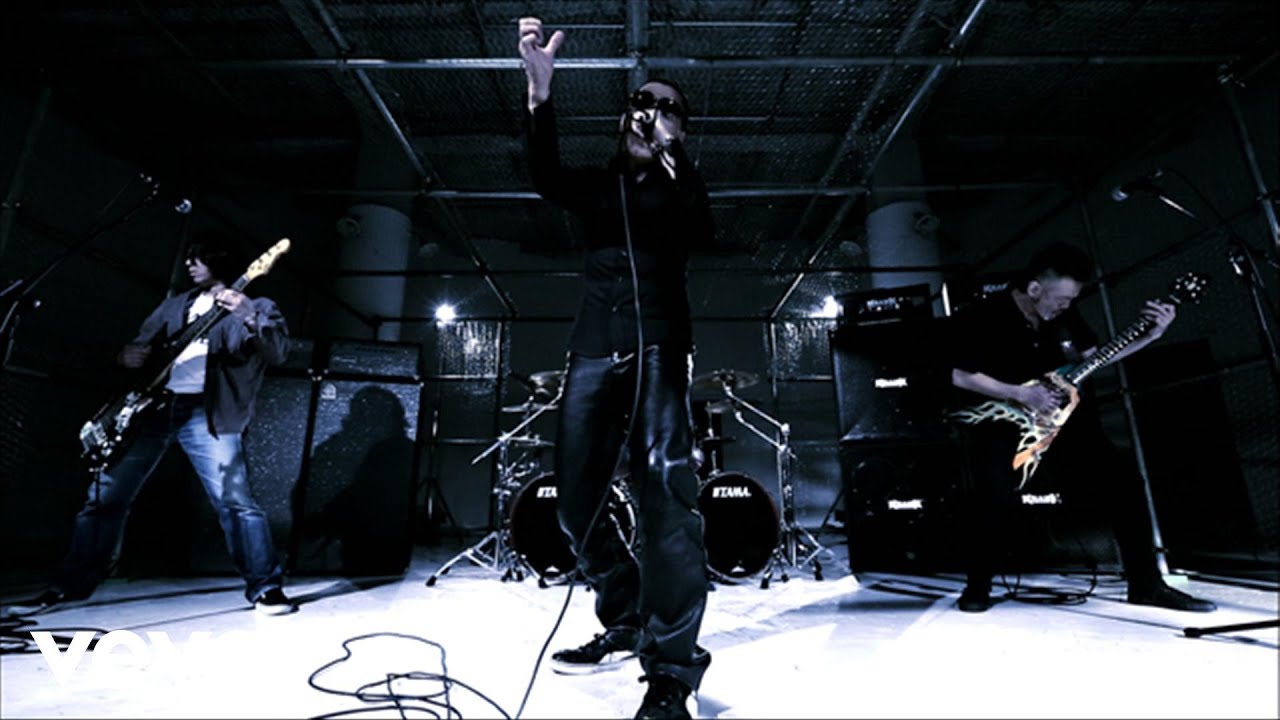

The Factory Floor Nobody Talks About
There’s a conversation that never quite gets had in English-language writing about Japanese metal. Everybody wants to talk about the riffs, the aesthetics, the visual kei production excess or the crust-punk severity — fair enough, all of it matters. But the drum sound? The particular snap and body of a Japanese metal recording that you can hear within two bars of almost any major domestic release from the eighties forward? That comes from somewhere specific, and it starts on a factory floor in Chiba or Hamamatsu, not in a rehearsal room.
Pearl and Tama aren’t niche. They are, by most reckonings, among the largest drum manufacturers on the planet. What makes this interesting for the metal conversation is when they scaled up their professional product lines — roughly the same window in which Japanese studios were standardizing their approaches to drum recording and domestic metal was finding its commercial footing. That’s not a coincidence. It’s a supply chain.
When a major Tokyo studio in the eighties needed a house kit, the answer was almost always domestic. Cheaper to source, easier to service, parts available. Pearl’s professional lines and Tama’s heavier-duty offerings were physically present in the rooms where Japanese rock and metal was being committed to tape. Producers didn’t choose those kits out of nationalism; they chose them because that was what was there. But the kits shaped the choices anyway. The particular tuning range of those shells, the attack characteristics of the hardware-mounted heads that were standard at the time — all of it fed into what engineers reached for when they were building a drum sound from scratch.
What the Snare Actually Did
Here’s the part that requires a bit of patience to explain, because it sounds almost too mundane to matter. Snare selection is, genuinely, one of the most consequential decisions in a heavy record’s production. The snare is the loudest single transient in most metal mixes. It defines the tempo perception, the sense of physical weight, the aggression ceiling of the whole thing.
Japanese domestic snares — particularly the mid-range professional options that studios actually stocked rather than the boutique stuff — tended toward a certain characteristic: controlled crack with a relatively fast decay. Not the cavernous, gated-reverb bomb of American eighties production. Not the raw, slightly tubby warmth that British engineers were chasing. Something drier, tighter, more present in the midrange. You hear it most clearly if you compare a Japanese metal recording from the late eighties or early nineties to an American release from the same year targeting a similar subgenre. The Japanese record often hits faster in the transient and dissipates faster. It sounds precise. Clinical, even, if you’re not used to it — but that precision gave Japanese thrash and technical metal a clarity that suited the intricate arrangements the genre was moving toward domestically.
Tama’s development of their professional snare line across this period is worth understanding in this context. The engineering choices baked into those drums — bearing edge angles, shell depth tolerances, the specific alloys used in the metal options — directly corresponded to the sound that was becoming normative in Japanese studio production. Engineers stopped fighting the drum and started building around its strengths. That relationship between available hardware and production convention is how a regional sound actually forms. Not through some collective aesthetic decision, but through accumulated practical choices made under deadline.
The domestic market dynamic reinforced all of this. Pearl and Tama were selling into a market where the end users — session drummers, touring musicians feeding into recording projects — were themselves shaped by what was available in the rental infrastructure and what their peers were using. The gear normalized a sound, the sound normalized the gear. By the time the nineties arrived and the global market opened up enough that alternatives were genuinely accessible, the Japanese metal drum aesthetic was already load-bearing. Producers were choosing similar-sounding drums by preference, not by default.
Spend some time with recordings from Japan’s heavier underground and you start hearing it as a signature rather than a side effect. That tight, fast snare. The kick with just enough click to cut without dominating. It didn’t happen by accident, and it didn’t happen because of the riffs.
It happened because of what was in the room.