
The Clock Nobody Talks About
There’s a pattern that anyone who’s spent time in Japan’s heavy music scene eventually notices, even if they can’t quite name it. Bands dissolve. Not dramatically — no public feuds, no genre-crisis press releases. They just go quiet around the same time of year, and the members who disappear tend to be the same age. Twenty-two, twenty-three, twenty-four. Then silence.
It’s not a coincidence. It’s a calendar.
Japan operates on one of the most rigid graduate hiring cycles in the industrialized world. The shuukatsu system — formal job-hunting for new university graduates — runs on a compressed, synchronized national timeline. Companies open applications en masse, interview en masse, and extend offers en masse, all aimed at a single April start date. Miss that window at twenty-two or twenty-three, and you don’t just miss a job. In the logic of Japanese corporate culture, you miss a category. Mid-career or delayed-entry hiring exists, but carries a stigma that most families, and most graduates themselves, aren’t willing to absorb.
That pressure lands directly on bands.
What the Break-Up Announcements Don’t Say
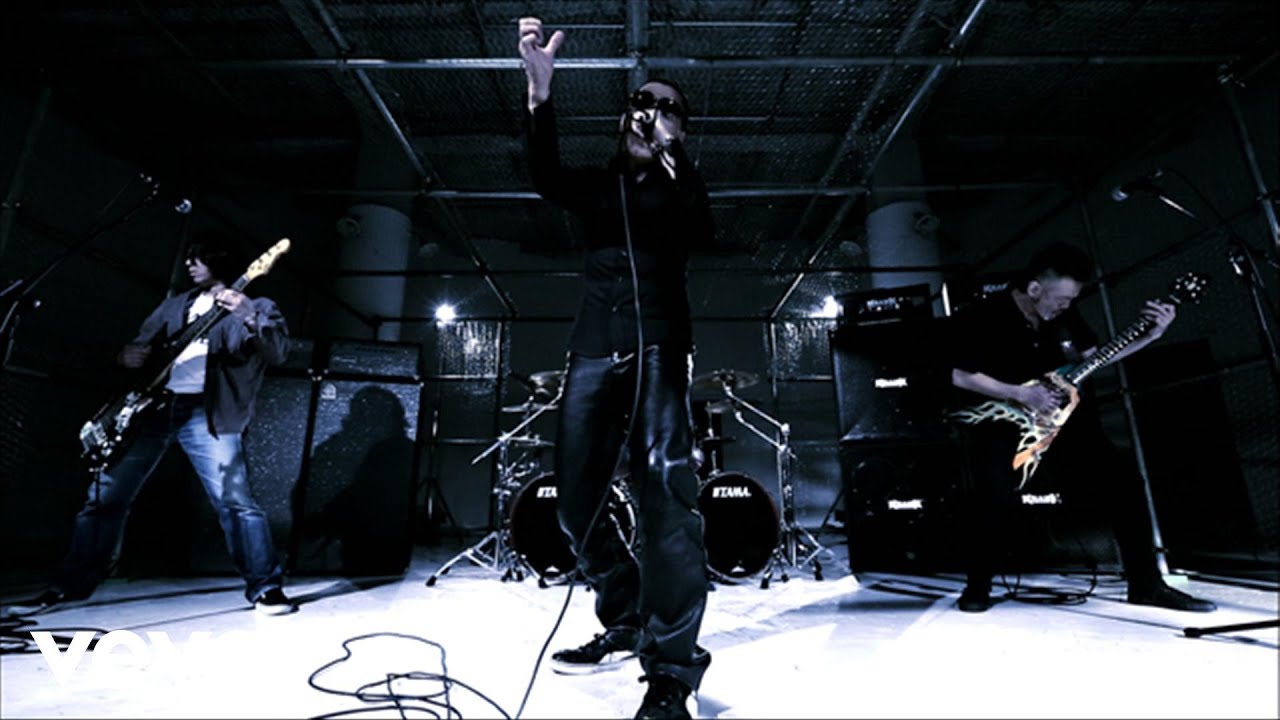
Think about what being in a serious heavy band requires at exactly the moment shuukatsu peaks. Rehearsals, several nights a week. Weekend shows, sometimes out of town. Recording sessions that eat entire days. Tour runs, if the band is pushing hard. The schedule of someone genuinely trying to build something in underground metal or hardcore is brutally incompatible with the schedule of someone submitting applications to forty companies, attending group interviews in a suit, and performing the full ritual of corporate self-presentation that Japanese hiring demands.
Something has to give. And structurally, almost always, it’s the band.
What’s interesting — and what outsiders rarely clock — is that this doesn’t only produce outright dissolution. It produces a specific mutation. The shakaijin band. The “working adult band.” Members keep the name, keep the rehearsal space, drop the shows to once every few months, stop recording seriously, stop pushing. The band becomes a kind of preserved state, a terrarium version of itself. Still alive, technically. No longer metabolizing.
I’ve watched this happen more than once. A three-piece that was genuinely building momentum in the Tokyo basement circuit goes quiet in February, resurfaces in November with a post announcing they’ll play one show in December “for fun,” and that’s the last you hear of them at full intensity. No dramatic ending. Just the slow exhale of a thing that ran out of oxygen.
The cruelty of the timing is precise. Most Japanese university students don’t start shuukatsu in earnest until their third or fourth year — exactly when a band formed in freshman or sophomore year would be hitting its stride. The creative peak and the hiring pressure are synchronized to collide. That isn’t anyone’s fault. It’s structural. And structures don’t care about your best riff.
There’s a counterforce worth naming. Some bands survive the cliff by doing what feels, in Japanese social terms, like an enormous gamble: one member takes the corporate job, others continue, and the band reorganizes around whatever schedule the salaried member can offer. Sometimes this works. The pressure changes the sound — less urgency, more controlled — but the band persists. Other times, the member who stayed in the scene finds themselves, by twenty-six or twenty-seven, socially categorized in ways that make the next transition harder. Japan’s hiring system doesn’t warm up to people who departed the main timeline, even briefly.
Foreign fans who wonder why so many Japanese underground bands seem to peak fast, release a handful of recordings, and then vanish aren’t wrong to notice. They’re reading a real pattern. They just usually attribute it to something about Japanese creative culture — the aesthetic of impermanence, mono no aware, all the poetic explanations that feel satisfying but miss the machinery underneath.
The machinery is a spreadsheet. A hiring calendar. April 1st, every year, reconfiguring who gets to stay loud.