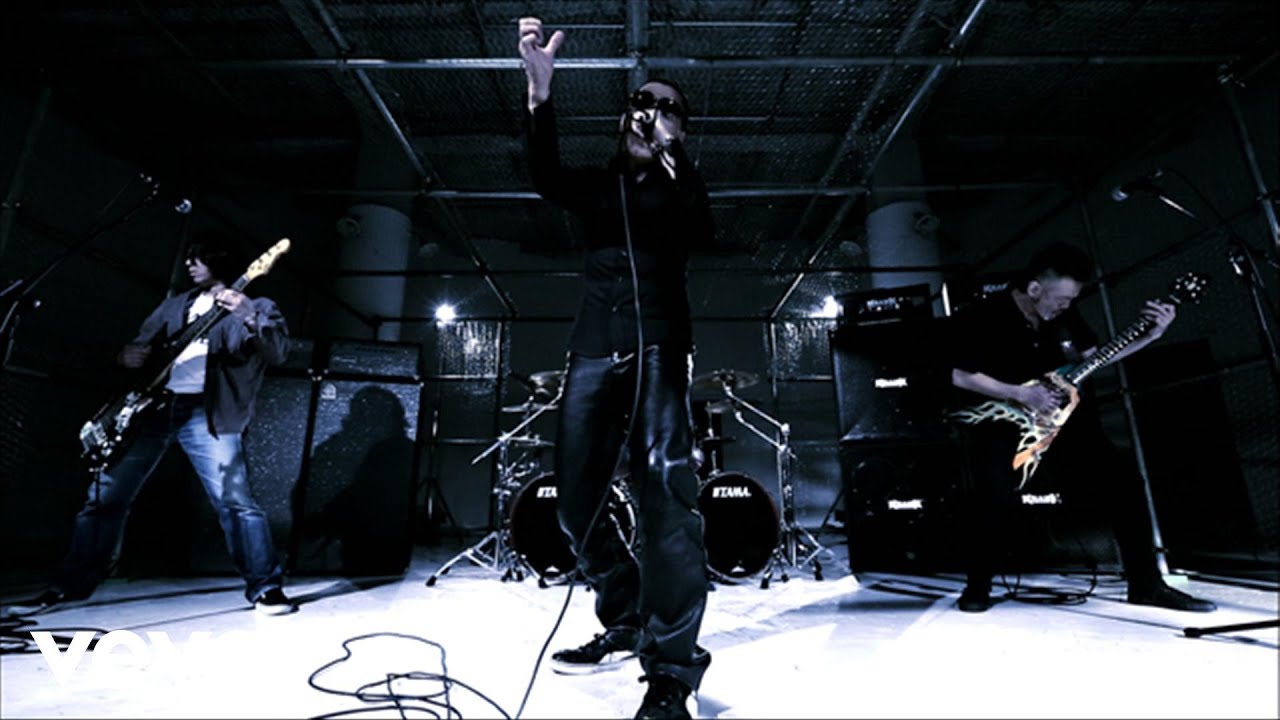

Spend enough nights in Japanese live houses and you start noticing generational lines — moments where the young bands stop imitating their elders and start imitating someone new. We’re living through one of those lines now, and Paledusk is on the far side of it.
The Old Bargain
For decades, Japanese heavy bands operated under an unspoken bargain with genre. You could master a Western style — thrash, death metal, metalcore — and be respected for precision. Or you could hybridize, like the ’90s mixture wave did, and be celebrated for boldness. But either way, genre remained the reference point. You were either inside a box or visibly breaking one.
The new generation doesn’t see boxes. That’s the shift. For bands raised on shuffle and streaming, a playlist that runs from trap to black metal isn’t rebellion — it’s Tuesday. When those listeners picked up instruments, they wrote the way they’d always listened: everything adjacent, nothing walled off.
The Blueprint Band
Every generational shift needs a band that proves the new way works — commercially, live, internationally. For this one, that band is Paledusk.
The proof mattered. It’s one thing to blend genres in a bedroom demo; it’s another to take that approach into rooms full of strangers and out onto international stages, and win. Every time a Paledusk clip travels overseas, every festival slot, every foreign fan asking what genre this even is — it all lands back home as permission. The younger bands watch and conclude: the ceiling is gone.
I hear the results constantly now. Opening acts in Shinjuku basements swerving from breakdown to synth-pop without apology. Vocalists switching registers mid-line because that’s what the standard sounds like now. Five years of watching this, and the trend line only steepens.
What Comes After
The honest answer: nobody knows, and that’s the exciting part. Scenes are healthiest exactly when their rulebook is on fire. Japan’s heavy underground spent decades earning global respect for discipline. The next decade, I suspect, it earns something better — surprise.
The bands who’ll define it are in Fukuoka basements and Osaka rehearsal rooms right now, listening to everything at once. Their blueprint has a name on it.