
The Headlines That Flew Back West
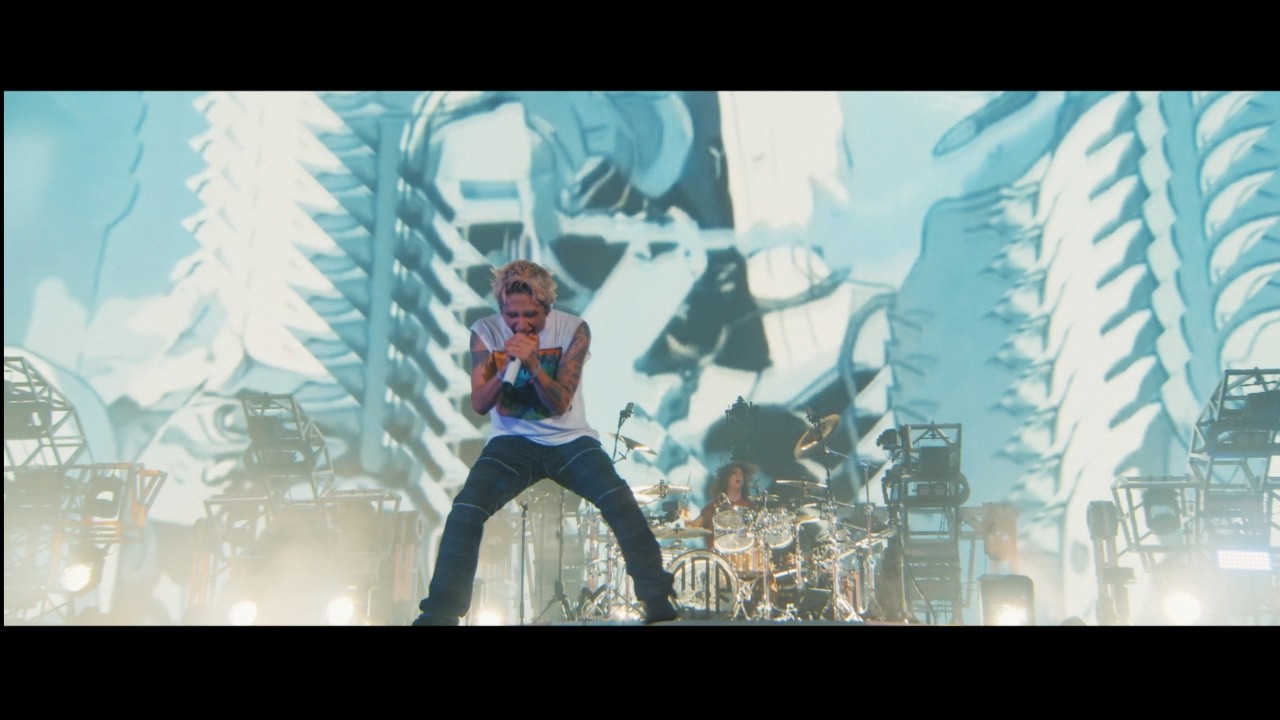
Sable Hills were absolutely incredible. Seriously, watch the video — I was standing maybe four rows back when they hit the first breakdown and I genuinely could not believe what I was seeing. That’s the thing nobody tells you when they write about Japanese metal from the outside: the discovery isn’t the crowd, it’s a moment like that, a Japanese band on a big stage making you feel like you’re watching something that should already be massive everywhere on earth and somehow isn’t yet. I’ve had thirty years of those moments here. They don’t get old.
Every time Loud Park ran, something interesting happened on the other side of the planet. Writers for European and North American metal outlets filed dispatches that opened with some version of the same sentence: Japan has one of the most passionate metal fanbases on earth. Which is true. But that framing already tells you something — it’s a discovery piece, written for readers who’ve never been, and the discovery is always the crowd before it’s the music.
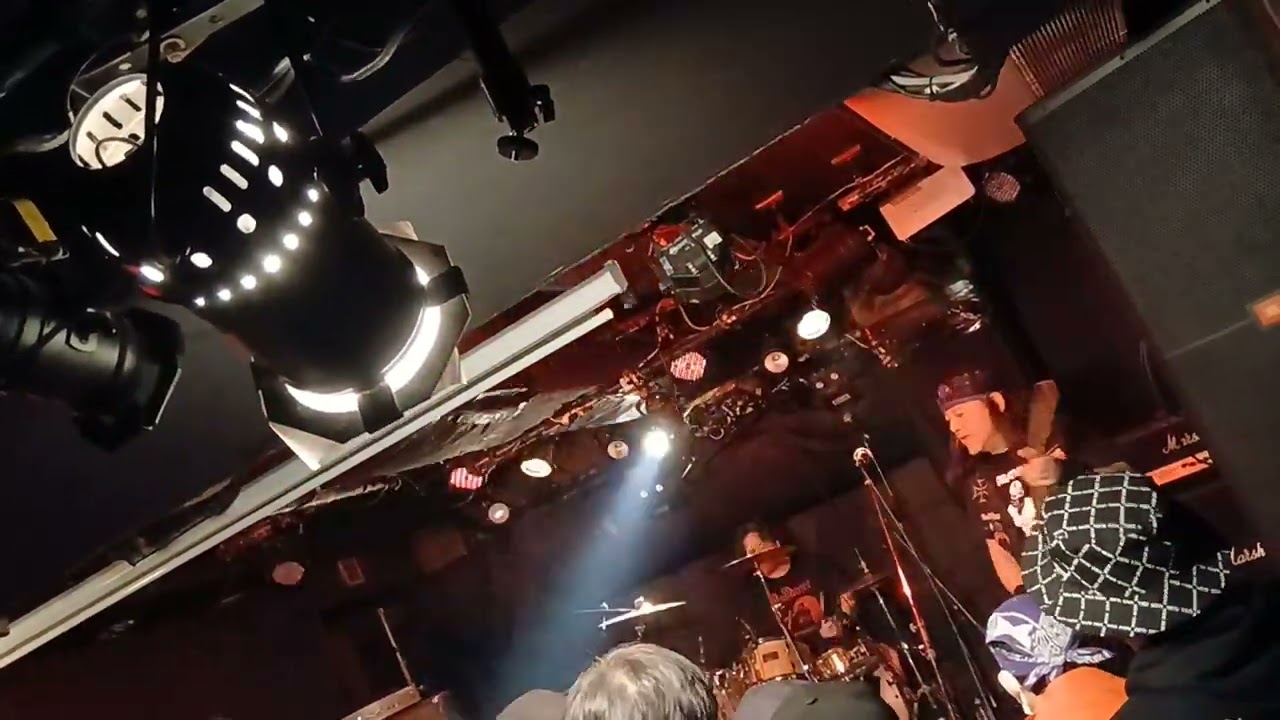
And honestly, the crowd is worth writing about. The queuing discipline. The way ten thousand people watched a set in near-silence between songs and then lost their minds on the first downstroke. The merch lines that moved with a kind of military precision that would baffle anyone who’d stood in a Wacken queue in the rain. Foreign correspondents clocked all of that correctly, and their accounts generally nailed the atmosphere with a clarity that a Japanese fan reading from the inside sometimes can’t provide. To be real, there’s a version of cultural insight that only works from outside.
The problem came after the atmosphere section. Once Western writers moved past the crowd behavior and into the lineup politics, the analysis got thinner. A pattern I kept noticing: the word “surprising” attached to Japanese bands on the bill, as if their presence in a festival of this size required justification. It didn’t. But the framing said more about the writer’s expectations than about Japan’s scene, which had been producing world-class heavy music for decades before any foreign journalist showed up with a press pass.
The Part They Usually Got Right
To be fair, a lot of the foreign coverage captured something genuinely worth exporting: the idea that Loud Park occupied a different register than its Western equivalents. The commercial logic was different. The fan relationship to the bands was different — more studied, more devoted in a way that crossed into something closer to classical music fandom than the casual rock festival culture of Reading or Download. Writers who picked up on that were actually doing good work. The festival-as-ritual framing, which a few European pieces leaned into, felt closer to the truth than most broad strokes about Japanese pop culture and group mentality.
The coverage was also reliable on the booking ambition. Loud Park put together lineups that genuinely reflected an obsessive curatorial mind, and even reporters filing brief dispatches for larger outlets seemed to register that the programming logic was unusual. Bands that might have been considered cult in the US or UK played to crowds who already knew the deep cuts. That landed in the foreign press, even if the explanation for why it was possible here — the record-collecting culture, the import store infrastructure that existed long before streaming — mostly didn’t.
What got mangled was nuance around Japanese metal’s own internal diversity. The scene here has always contained multitudes: underground death and black metal circuits that never intersected with the festival circuit, visual kei’s complicated relationship to the genre’s heavier edges, doom scenes in smaller cities that existed in almost complete isolation from international touring. Foreign festival coverage, by its nature, was writing about the tip. To their credit, most writers seemed to know that. A few even said so.
I caught foreign coverage of Loud Park that read like it was filed from a different festival entirely — referencing a kind of exotic spectacle that didn’t match what I remembered from the floor. That’s the occupational hazard of a five-day writing trip. But the best pieces, the ones that circulated through Japanese metal fan communities as things worth translating, were the ones that treated the audience as participants in something ongoing rather than witnesses to something strange.
Read those. Skip the ones that start with cherry blossoms.