The Shelf They Couldn’t Find
Here’s the thing about watching a band you’ve followed in Tokyo clubs eventually land on the radar of Alternative Press: the coverage, when it comes, almost never maps onto what you actually saw in the room. That disconnect is interesting. Rarely malicious. Often, though, revealing.
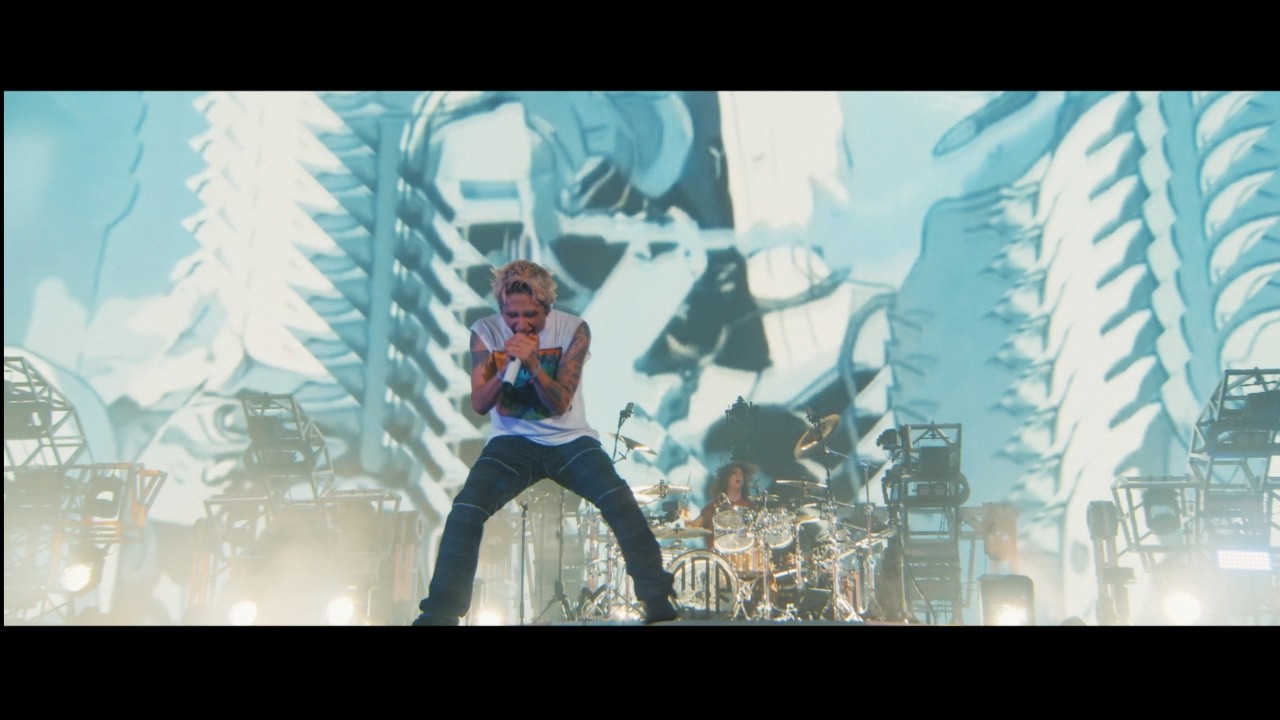
One Ok Rock’s relationship with AP across the 2010s is a useful case study in how American alt-media handles an act that won’t sit still inside a category. The band moved — album to album, era to era — through post-hardcore, arena rock, pop-punk adjacency, and back again. Japanese audiences more or less accepted that shape-shifting as part of the deal. AP, operating inside a system built on genre tags and scene allegiances, kept having to re-introduce the band to its readership. Every article, you got the same mild confusion dressed up as intrigue. “Japanese rock band.” “Massive in Asia.” A qualifier dangling where a genre label should be.
What AP never quite committed to was the metalcore tag, even during the stretch when One Ok Rock’s riffs and song structures were closest to it. That’s an editorial choice, conscious or not. Metalcore carries specific baggage in the American market — scene loyalty, a particular kind of audience, a ceiling in terms of mainstream crossover aspirations. Soft-pedaling that affiliation kept the band more legible to a pop-rock readership. Harder to place, but easier to sell as exotic novelty.
The Geography Problem
Part of the hedging was also, honestly, a geography problem. AP’s 2010s editorial identity was rooted in a specific American scene ecosystem — Warped Tour, the midwest, a circuit of clubs and arena support slots that its readers knew intimately. One Ok Rock existed outside all of that geographically, but they were clearly fluent in the same sonic vocabulary. That’s a weird editorial space to occupy. Too familiar to be treated as world-music curiosity. Too foreign to be covered the way AP covered, say, Bring Me the Horizon.
The result was coverage that felt transactional. When the band had English-language content to promote, AP ran something. When there was nothing obvious to sell to its core readership, the silence stretched. I’d read those pieces as they landed and feel a specific kind of frustration — not because AP was wrong about the music, but because the framing kept one foot out the door. The articles read like they were written for a reader who needed constant reassurance that yes, it’s okay to like this Japanese band.
What got lost in that editorial hedging was any serious engagement with where One Ok Rock actually sat in the Japanese rock conversation. The band came up through a scene with its own genre logic, its own club hierarchy, its own sense of what “going mainstream” meant. That context made their trajectory stranger and more interesting than anything AP’s J-pop-adjacent framing could contain. But explaining that would have required the magazine to care about Japan as something other than a backdrop.
There’s no villain here. AP was doing what genre-dependent alt-media does: filing bands into existing drawers, loosening the fit for novelty acts, and moving on. The structural problem is that Japanese rock — metalcore or otherwise — doesn’t map cleanly onto American drawer systems, and pretending it does produces coverage that serves neither the band nor the reader particularly well.
I still have a soft spot for the fact that the coverage existed at all. One Ok Rock getting two paragraphs in AP meant something to a lot of fans who were trying to explain this band to their American friends. That’s not nothing. It just could’ve been so much more.