
The Preview Problem
Reading British rock press coverage of Fuji Rock as someone who actually attends the festival is a specific kind of frustrating. Not infuriating. More like watching someone describe your apartment having only seen the hallway. The broad strokes are recognizable. The texture is completely off.
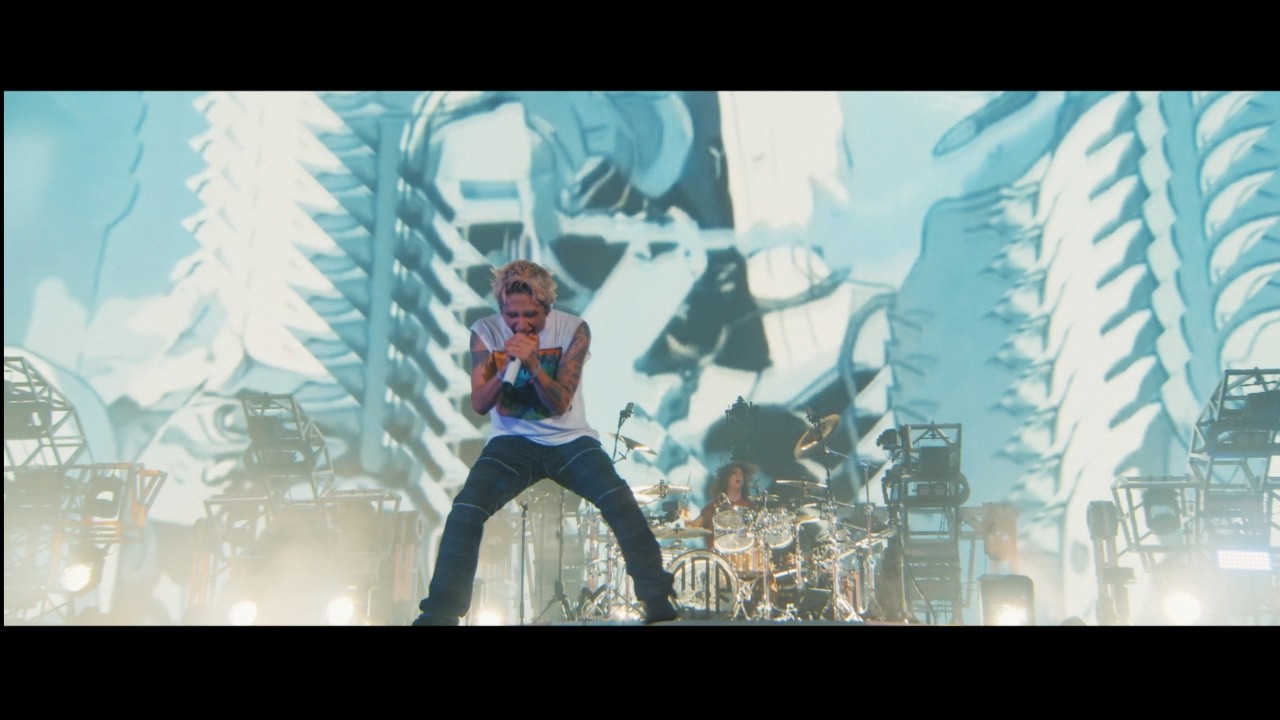
The pattern goes like this. NME or Rolling Stone UK runs a Fuji Rock preview. The headliners get paragraphs. The mid-bill names from Brooklyn or Manchester get a sentence with actual context — who they sound like, what record matters, why the crowd will move. Then you hit the heavier acts on the lineup, and something shifts. The prose goes vague. Suddenly a band that’s been destroying festival stages across Japan for years gets a clause, not a sentence. “Heavier fare” shows up. So does “aggressive rock acts,” which is the editorial equivalent of shrugging. You can almost feel the writer tabbing to Wikipedia, squinting, and deciding there isn’t enough there to say anything specific.
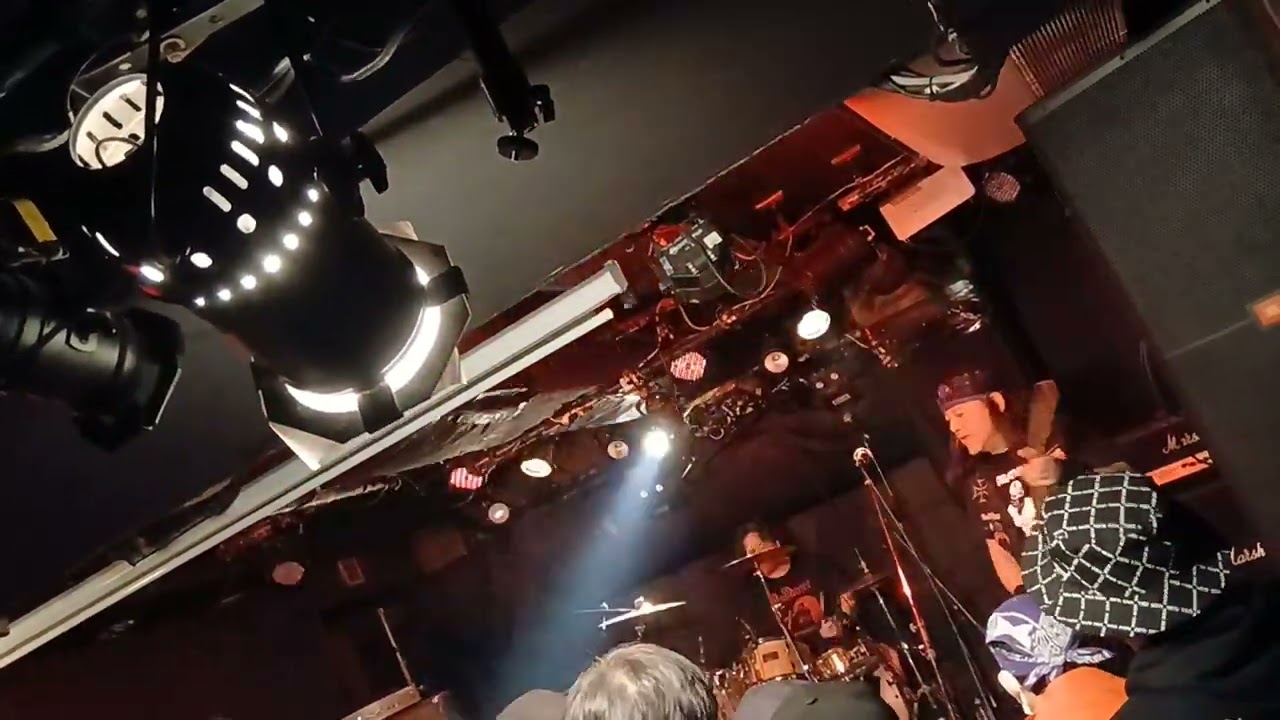
What gets dropped in that shrug is significant. The context those acts carry domestically — the venues they came up through, the specific Tokyo or Osaka underground scenes they’re woven into, the way a Japanese crowd responds to them differently than to an internationally branded metal act — none of that makes the column inch cut. The British framing tends to treat heavy Japanese acts as texture rather than headline, background color rather than story. Part of the festival’s “eclecticism,” which is a word that mostly means “things I didn’t research.”
What Actually Gets Through
To be real, it’s not all miss. When a Japanese heavy act has some English-language footprint — a Bandcamp page with decent traffic, a US tour that got picked up by a blog someone in London reads — the coverage improves noticeably. The writers aren’t lazy so much as dependent on anglophone pipelines that Japanese metal has historically been slow to build. That’s a structural problem more than a cultural bias, and it’s worth saying clearly.
And there are moments where foreign coverage lands well. I’ve seen Fuji Rock writeups from British outlets that treated the festival’s booking philosophy with genuine curiosity — pieces that acknowledged the lineup logic isn’t built around Western market expectations and tried to explain why that makes it interesting rather than just exotic. Those pieces exist. They’re the exception.
The problem is the framing that fills the space when curiosity runs out. Heavy acts get coded as wild cards, unpredictable genre detours, proof that Fuji Rock “isn’t afraid to go dark.” That’s the version of coverage that flattens a band with fifteen years of scene history into a single adjective. “Ferocious” is what you write when you don’t have time to explain. “Uncompromising” means you didn’t listen to the record. The bands deserve more than that, and so do the readers who might actually go looking after reading the preview.
There’s also the omission problem. British festival coverage of Fuji Rock will reliably mention the weather, the rice fields, the mud, the very Japanese-ness of the production. The atmosphere write-up always comes through. But ask how many of those same pieces name-checked a Japanese heavy act with the same specificity as a European one on the same bill. The asymmetry is pretty obvious once you start looking for it.
I don’t think it’s malicious. I think it’s the predictable result of covering a festival from a distance, through a cultural lens that still treats Japanese heavy music as peripheral to some imagined global scene. That imagined scene has always been smaller than the real one.
Go find the act that got one vague clause in the NME preview. Start there.