
The Story They Told
There’s a version of the Marty Friedman story that Western metal media settled on pretty early, and it goes roughly like this: a guitarist at the absolute peak of his powers walked away from one of the biggest metal bands on earth, moved to Tokyo, and was never heard from again. Not “never heard from again” as in dead. More like — absorbed. Digested by a foreign culture that didn’t fully appreciate what it had swallowed.
You could feel that framing in the way coverage of his post-Megadeth years tended to work. The tone was often half-baffled, half-elegiac. Marty Friedman doing Japanese TV? Marty Friedman on music variety shows? It got filed under “things we don’t quite understand,” which is a category Western metal press has historically kept very well-stocked when Japan is involved.
To be real, some of the confusion was earned. Watching a guitarist of his caliber work through J-pop arrangements or sit on panel shows discussing idol culture — from a distance, with no Japanese and no context for what those programs mean here, that probably did look like a man dissolving. I get it. From a certain angle, it looks like a story about a great talent being swallowed by the novelty economy.
What the Coverage Missed
What it missed was the agency. Marty didn’t fall into Japan. He walked toward it, deliberately, over a long period of time, for reasons that had everything to do with genuine love for the music and culture here. The framing of “Japan took him from us” rests on this weird possessiveness — as though his career was Western metal’s property, and Tokyo was some exotic force that lured him off the path.
Living here changes how that reads completely. The Japanese TV appearances weren’t a sellout or a slow fade. They were Marty doing what any serious musician who loves a country would do: learning it from the inside. The variety show circuit, the collaborations, the pop sessions — that’s not the story of someone who stopped caring about guitar. That’s someone who got curious and followed the curiosity all the way down.
What’s interesting is how the framing shifted, slowly, as his Japanese-market work started getting attention from the very fans those Western outlets were writing for. Guitarists started digging into his Japanese releases. The technique didn’t go anywhere. The ideas were, if anything, weirder and more interesting than a straight Megadeth continuation would have allowed. Foreign press began catching up to that, though sometimes grudgingly — still occasionally framing it as “Marty returned to form” when the truth was more like he’d been doing fine work all along, just somewhere most of their readers weren’t looking.
The honest version of the story isn’t a tragedy about loss. It’s closer to a story about how provincial Western metal coverage can be when a major figure steps outside the circuit those publications understand. Japan has a real and serious music scene, with real and serious audiences, and a guitarist choosing to build a life here isn’t choosing obscurity. He’s choosing a different map.
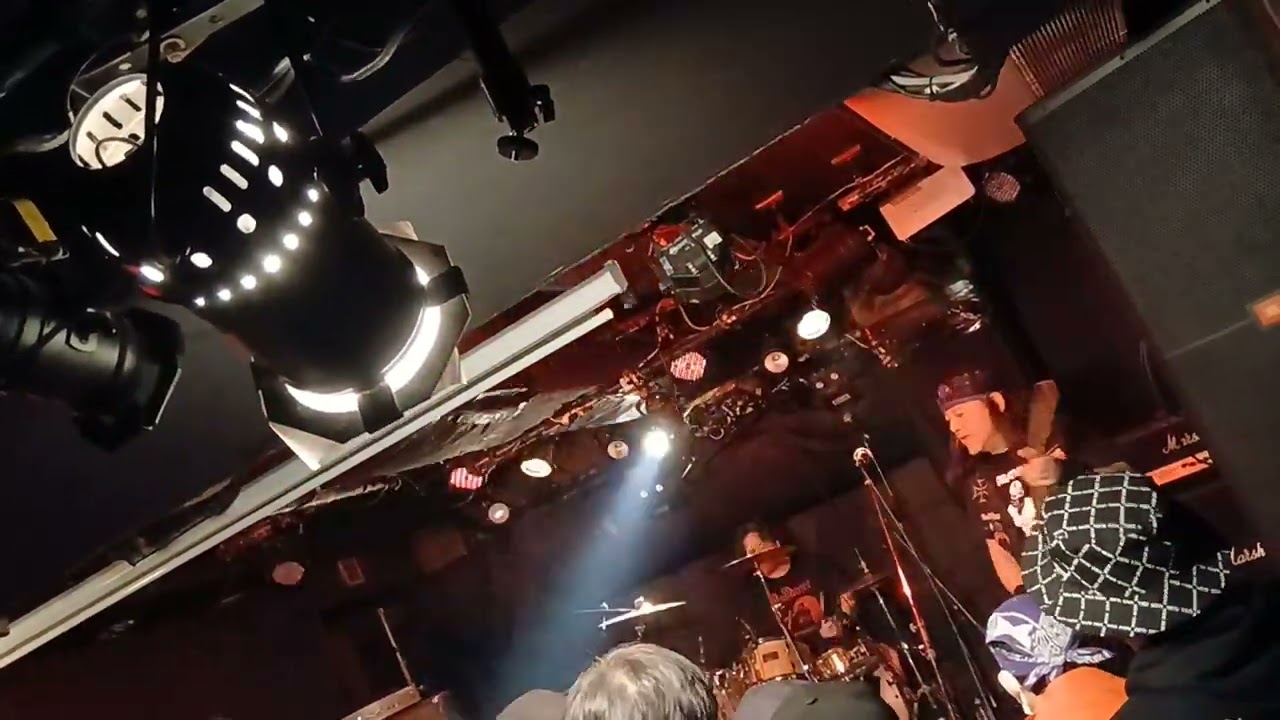
I caught a show of his years ago at a small venue in Tokyo. The crowd knew every guitar line. They were not a consolation prize audience.