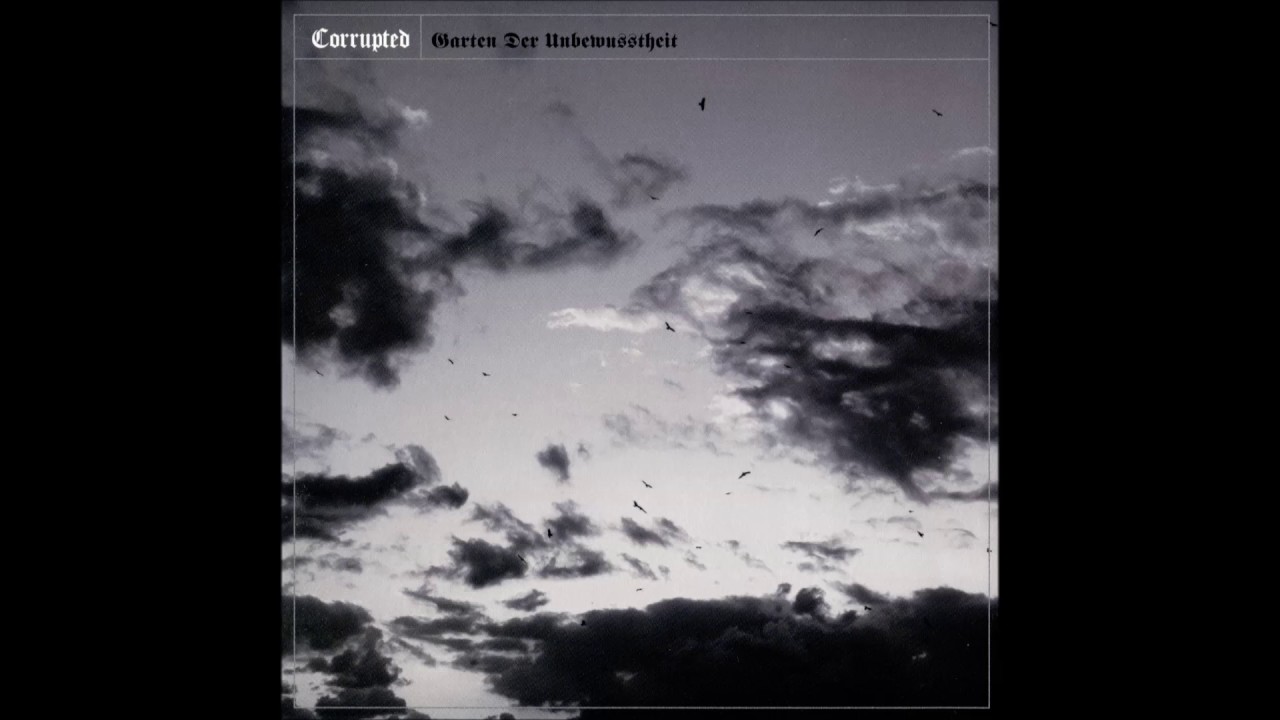
Here is a puzzle worth sitting with. A band forms in Osaka in 1994. It gives no interviews, releases no press photographs, writes almost entirely in Spanish, and puts out an album consisting of one seventy-one-minute song. It runs no campaign to reach anybody.
Thirty years later, Corrupted is one of the names Western doom listeners cite as essential — arguably better known abroad, within its genre, than at home. Every rule of music promotion says this should not have happened. Understanding how it did says something real about how reputation actually moves.
Scarcity as a Transmission Mechanism
The obvious theory is that mystery sells, and there’s something to it — but it’s incomplete, because thousands of anonymous bands stay anonymous. What matters is that Corrupted’s silence wasn’t a gap in the story. It was the story, and it created a specific dynamic: with no official narrative to repeat, everyone who encountered the band had to describe it in their own words.
Think about what that does. A band with a press kit gets summarised in the same sentence everywhere, and the sentence gets stale. A band with nothing gets retold, person to person, each time with the enthusiasm of someone who feels they found it themselves. Discovery feels like a personal achievement rather than a marketing success, and people evangelise what they believe they discovered.
The Music Fits the Channel
Word of mouth only carries work that rewards the recommendation, and Corrupted’s records are extraordinarily well suited to the format. They’re demanding, which makes recommending them a small act of trust between listeners. They’re distinctive enough that nobody forgets the first encounter. And they’re long — an album you spend seventy-one minutes inside becomes an experience you had rather than a track you heard, and people tell stories about experiences.
The Spanish helps here too, strange as that sounds. Because the lyrics aren’t decodable for most listeners, the language barrier that usually limits Japanese bands abroad simply doesn’t apply — everyone, in Osaka or Oslo, is in the same position relative to the words.
What Other Japanese Bands Can’t Copy
The honest caveat: this is not a replicable strategy. Corrupted’s path worked because the refusal was total and permanent, sustained over decades, by a band whose music genuinely justified the patience. A band that withholds press for two years and then does a magazine cover has not done this — it has done marketing, and audiences can tell.
But there’s a transferable lesson buried in it, and it’s the argument this site keeps making. Corrupted never adapted itself for export. It made uncompromised work in its own frame, and the world came to it. For every Japanese band agonising over whether to sing in English, there’s a counter-example in Osaka that refused both languages, refused the press entirely, and got further than almost anyone.
Start with the records. That’s all they ever offered, and it turned out to be enough.