
The Part Where the European Guy Is Genuinely Surprised
Every time a European prog-metal act comes through Japan and does press, you can predict about sixty percent of what they’ll say. The food. The politeness. The way the crowd listens. Mikael Åkerfeldt, to his credit, goes a little deeper than most — and having followed Opeth since their doomy death-metal days, I’ve read enough of his Japan-related interviews to notice where the picture sharpens and where it stays blurry.
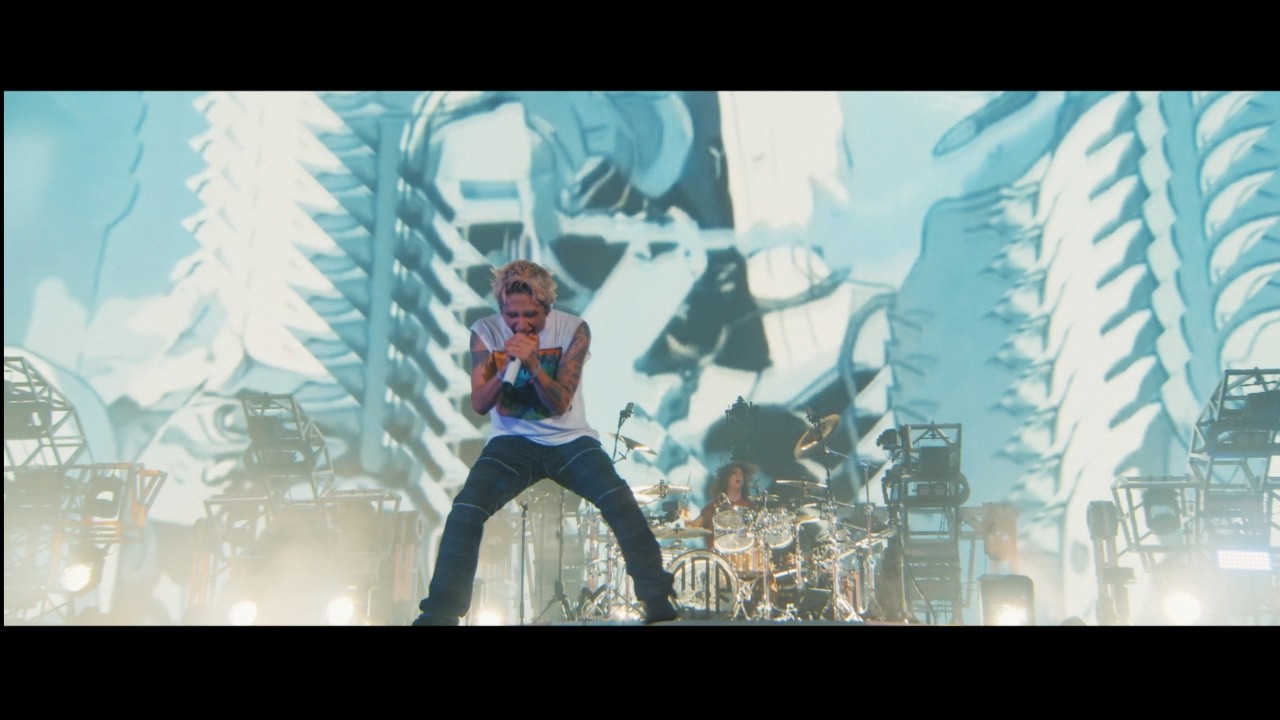
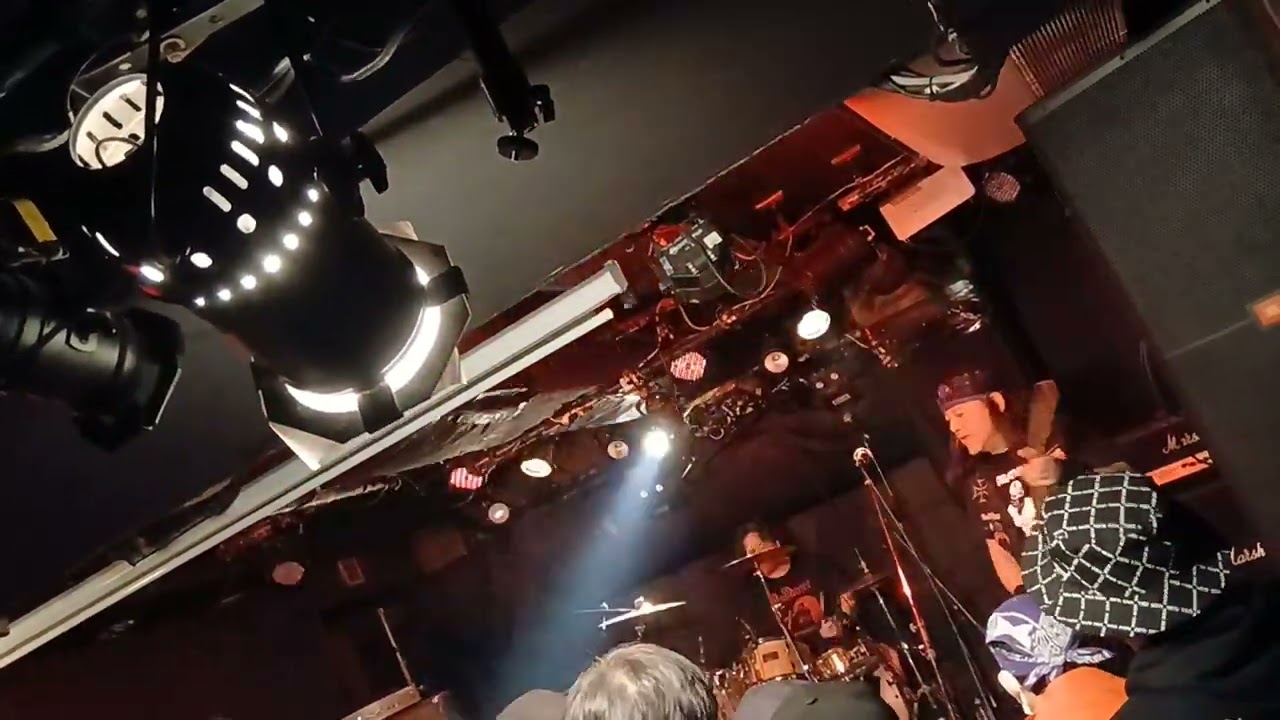
The observation he returns to most is the silence. Not uncomfortable silence — attentive silence. Japanese audiences don’t talk through the quiet parts. They don’t check their phones during the long instrumental stretches that define Opeth’s live sets. For a band whose records demand patience, that matters enormously. Åkerfeldt has talked about this dynamic with what sounds like genuine relief, like a jazz musician discovering a room full of actual listeners. I get it. I’ve stood in those rooms. The concentration is real.
What’s interesting, though, is the slight confusion that follows when he describes the applause — enthusiastic, even explosive, but somehow contained in a different emotional register than a Stockholm or London crowd. He’s not wrong. Japanese audiences aren’t reserved because they’re unaffected. They’re reserved because expressing feeling loudly in public is its own kind of social grammar, one that takes years to stop second-guessing even if you grew up here.
Where Foreign Eyes Miss the Texture
The reading that tends to flatten out in Western press — and Åkerfeldt isn’t unique in this — is treating Japanese metal fans as a single, unified type. The devoted listener. The collector. The person who bought the CD, knows the lyrics in phonetic romaji, and has opinions about album sequencing. That person absolutely exists. I know several. But Japan’s metal scene has its own internal arguments, its own regional loyalties, its own weird pocket scenes that never make it into a foreign artist’s tour diary.
Osaka crowds hit different from Tokyo crowds. The Nagoya faithful bring a specific energy that club bookers there will tell you about if you ask. None of this shows up when a visiting musician talks about “Japan” as a monolith. To be real, that’s not really their fault — a two-week tour gives you impressions, not fluency.
What Åkerfeldt does get right, and this is worth saying plainly, is the emotional weight that Japanese fans place on a live performance. This isn’t a casual night out. People have planned around this show, sometimes traveling from other prefectures, sometimes seeing the same artist three nights running in different cities. That devotion registers. You can feel it from the stage, and clearly he does. His comments about wanting to give Japan shows a different kind of care — longer sets, more acoustic passages, more room for the music to breathe — suggest he’s absorbed that energy and tried to return it.
There’s a version of foreign-artist-talks-about-Japan that comes across as a slightly exoticizing travel piece, charming but thin. Åkerfeldt mostly sidesteps that. When he talks about the audience, he talks about listening, which is the right thing to notice. A lot of visitors just talk about the bowing.
Honestly, the best thing I can say about his perspective is that it makes me want to revisit those Opeth shows from the floor level. There’s a stillness in that audience he keeps describing that I recognize completely, and knowing he recognizes it too makes the whole exchange feel less like observation and more like something mutual.
Find the recording of one of their Japan performances if you can. The crowd silence before the loud parts says everything.