
Finding the Real Scene: What Foreign Metal Coverage Gets Right (and Misses) About Japan
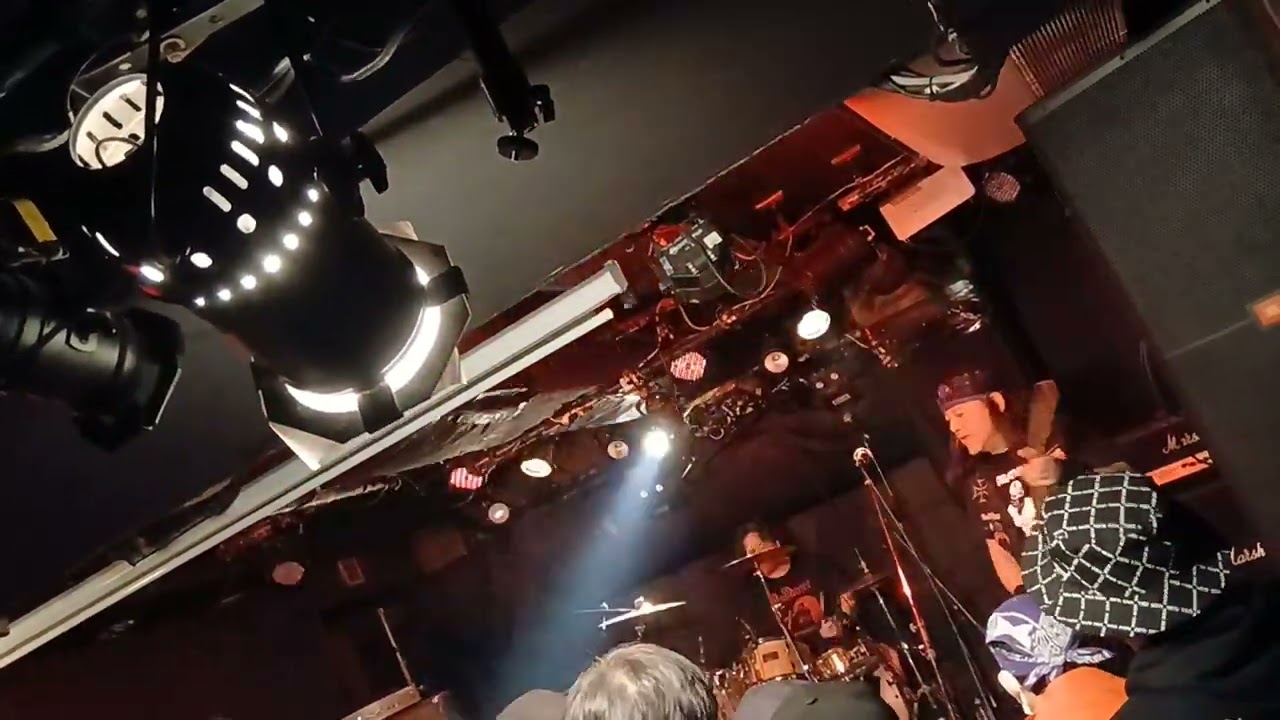
Look, I’ll be straight with you: foreign visitors almost always end up at the big venues. It’s understandable — Zepp Tokyo shows up in Google results, O-East is easy to find on a map, the tickets are on an English-friendly platform. I get it. But if you actually want to understand what’s happening in Japanese heavy metal, what the scene is, you need to get yourself into a small box. A tiny, sweaty, maybe-forty-capacity room where the PA smells like it’s been running since 1994 and the bartender knows every band on the bill by name. Seriously — hit me up. I’ll point you in the right direction. I’ve been doing this for thirty years and I know exactly which door to knock on.
That gap — between the shows tourists find and the shows that actually define the culture — is pretty much the whole problem with foreign metal coverage of Japan in miniature.
What They Actually Get Right
It would be easy to write off that coverage as a parade of surface-level exotica — “look at this wild country where visual kei kids stand next to death metal dudes at the conbini.” And yeah, sometimes it is exactly that. But when Metal Injection or a site in that orbit takes a real run at the Japanese scene, there are moments where the outside view is almost more clarifying than the inside one.
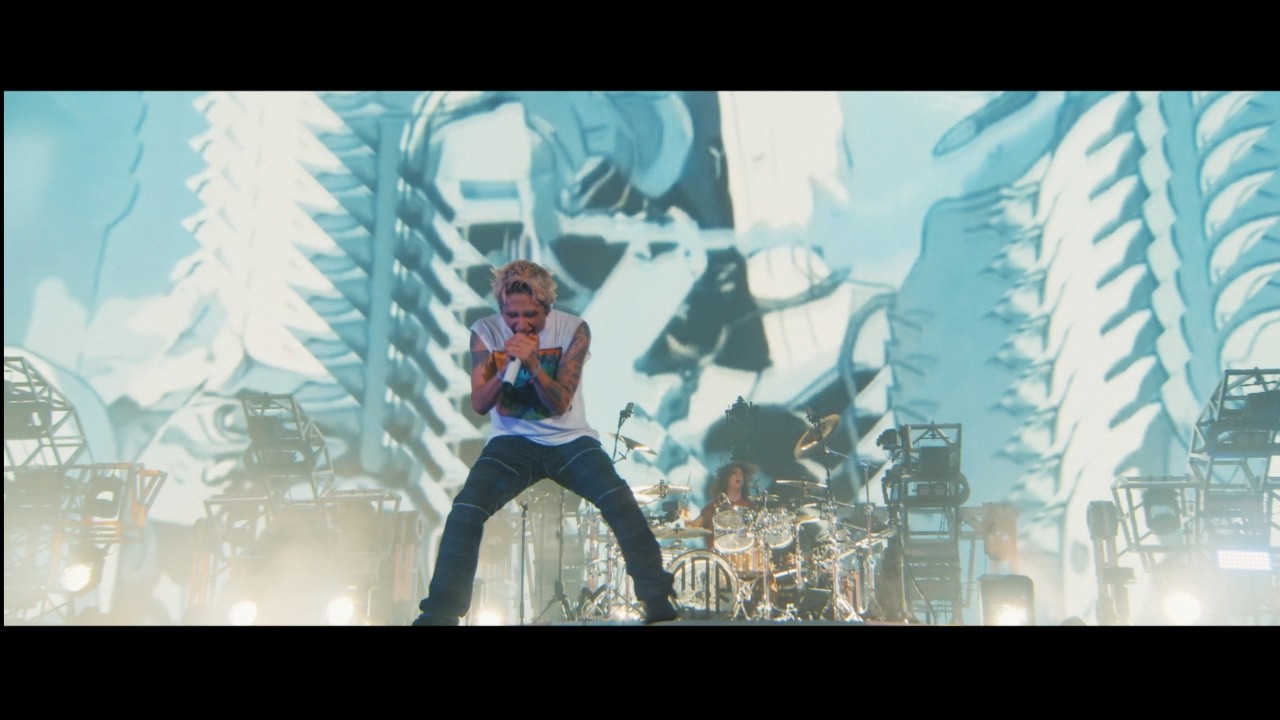
The thing foreign writers tend to nail is the scale of devotion here. Anyone who’s stood outside Shibuya O-East on a Tuesday night, watching a line of people clutching handmade merch bags in the rain, knows this isn’t a casual hobby culture. Metal in Japan is a commitment culture. Fans buy every pressing. They travel across prefectures for a one-man. They write liner-note-length reviews on personal blogs that get maybe forty views. Foreign coverage, when it’s paying attention, captures that intensity pretty well — because from the outside, it genuinely looks different from the moshpit-and-forget vibe at a lot of Western shows. They see it, and they’re right to flag it.
The other thing they sometimes get right is acknowledging that the scene isn’t monolithic. Japan has its Wacken-friendly melodic death acts, sure, but it also has the kind of noise-adjacent black metal that would genuinely confuse a Rock am Ring crowd. When a foreign outlet bothers to sit with that complexity rather than flattening it into “Japan does metal and it’s INTENSE,” that’s worth respecting.
Where It Gets Frustrating
Here’s where I start grinding my teeth a little. The geography problem is real. I’ve seen Nagoya bands called Osaka bands. I’ve seen Fukuoka acts lazily lumped into a “Tokyo scene” writeup. From abroad, it probably feels nitpicky. From here, it’s the equivalent of calling a band from Leeds “a Manchester act” — and the Manchester band reading it would lose their mind. Regional identity in Japan’s metal underground isn’t decorative. It shapes sounds, booking networks, which zines cover you, which studios you can afford to track at. Getting the city wrong isn’t just a factual error; it collapses something real about how this scene actually functions.
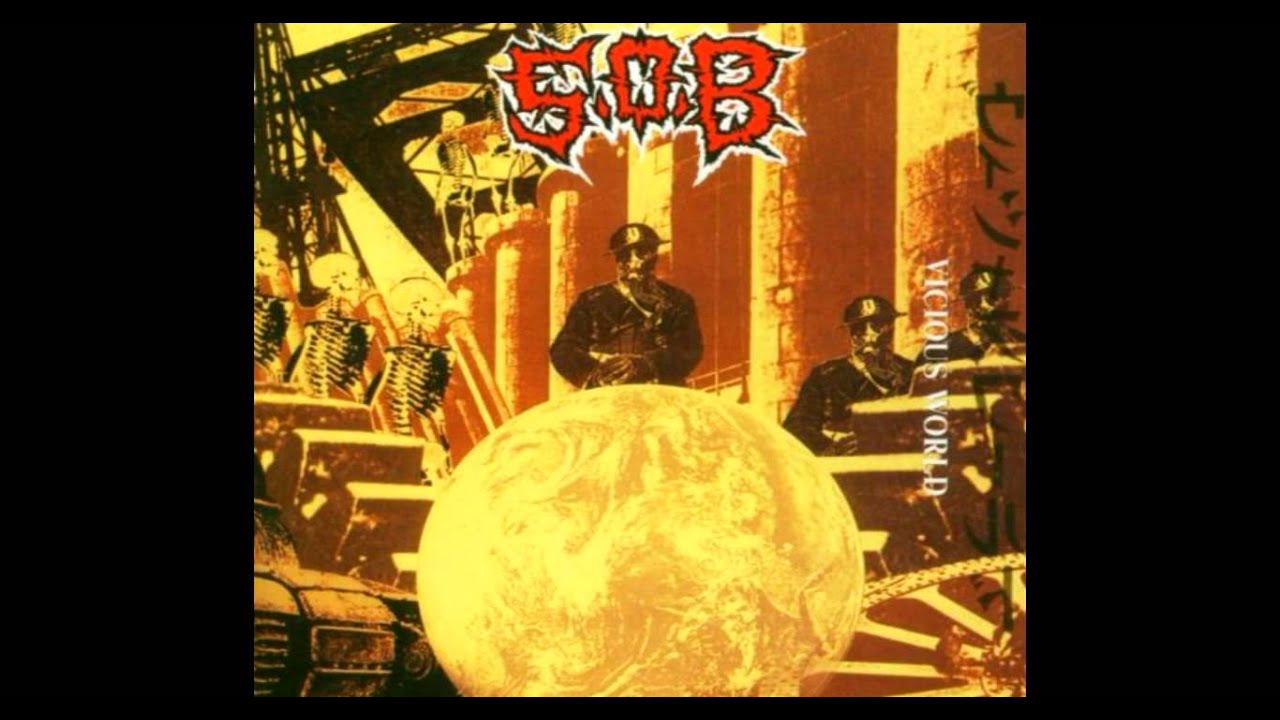
Then there’s the translation gap. Japanese band names, when they get rendered into English in foreign articles, sometimes lose the very specific connotations the band is working with. A name that carries a dense cultural or literary reference ends up looking like random brutality-branding in English. Nobody’s fault, exactly. But it matters, because band names here are often doing serious thematic heavy lifting that foreign coverage just walks straight past without noticing.
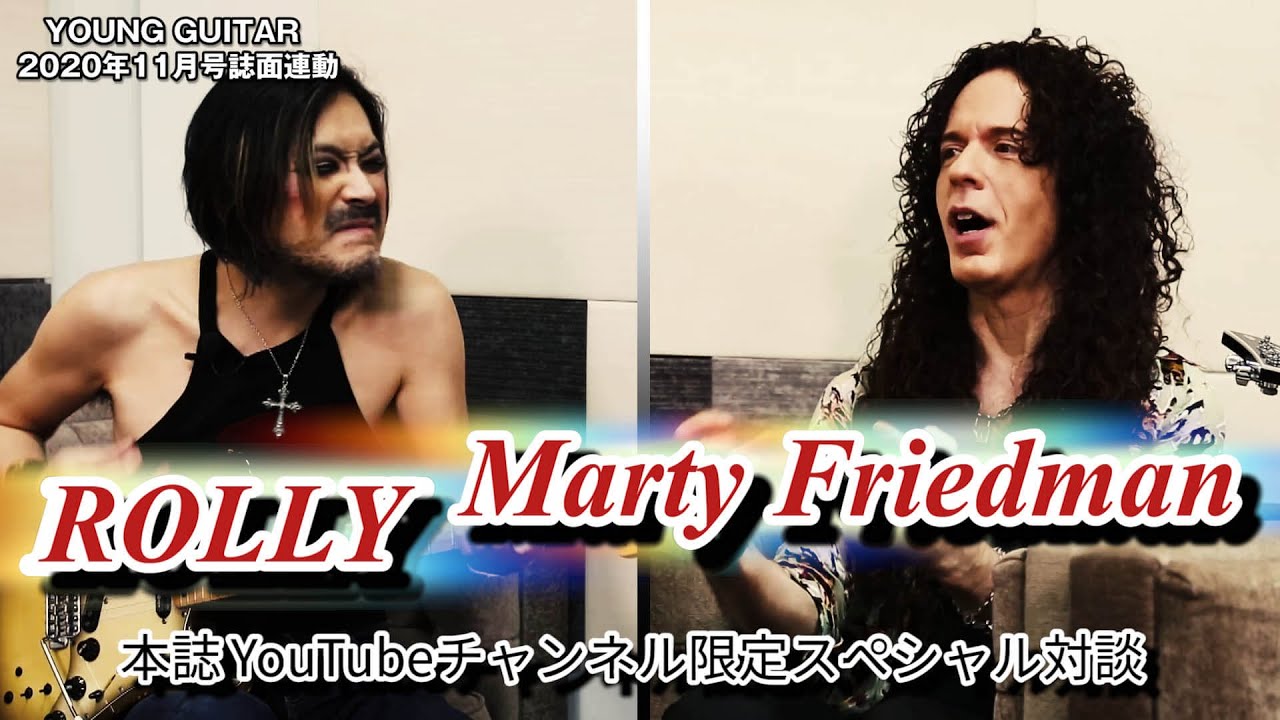
And the access problem. Most foreign metal media isn’t staffed by people who can read Japanese press releases, navigate Ameba blogs, or understand what a band’s Twitter interaction pattern is signaling about their label situation. So coverage skews heavily toward acts that already have some English-language infrastructure around them — which means the same five or six internationally-adjacent bands get cited over and over while genuinely extraordinary acts playing smaller venues stay invisible to the outside world. I catch their shows at those tiny boxes I mentioned. I know exactly what’s being missed.
Why It Still Matters
None of this is reason to dismiss the coverage. Honestly, the fact that sites like Metal Injection are pointing cameras at Japan at all is worth something. For a kid in São Paulo or Stockholm who wants an entry point, a flawed introduction is still an introduction. And sometimes the outside framing shakes loose something I’d gotten too used to seeing from inside.
I just wish the pieces came with a little more humility about the gaps. Japan’s metal underground is deep, weird, and genuinely hard to map even for people living inside it. Foreign coverage that admits that — rather than performing confidence about a scene it glimpsed for three days — earns real trust. The rest is tourism.
And if you’re going to be a tourist, at least let someone who knows the streets show you around. There’s a small venue with no sign on the door that you’d never find on your own, and the band playing next Friday is going to rearrange your understanding of what heavy music can do. Just ask me. I’ll take you there.