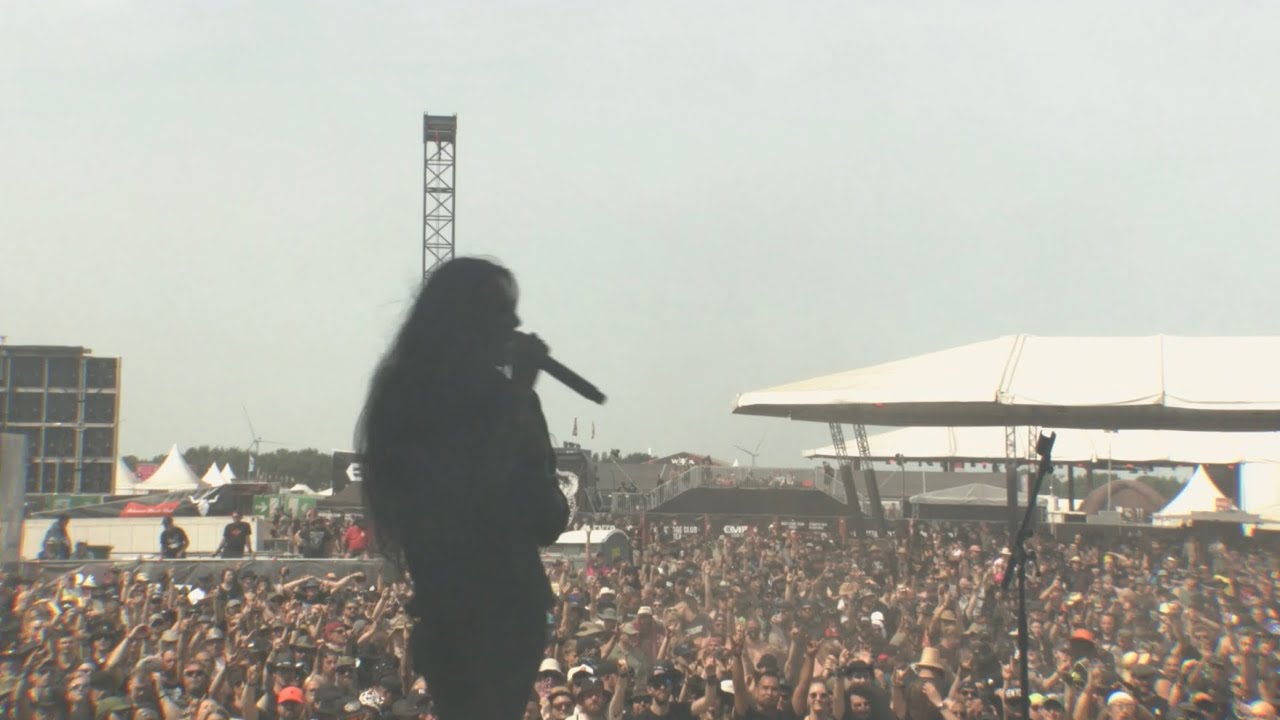

Some band names give away the whole game before you’ve heard a note. YOUTHQUAKE was one of those. You read it and you can more or less feel what’s coming — something young, something loud, something that wants to shift the floor under you a little. Then you press play and find out you were right, but not in the way you expected.
YOUTHQUAKE have disbanded. The records are still there, and they’re the reason to bother with any of this.
I’ve spent a lot of years in small rooms watching Japanese metalcore bands try to solve the same problem: how do you make a genre that’s been done to death anywhere in the world feel like it belongs to you? Plenty of bands answer that by going faster or heavier than the next guy. It rarely works. What worked — what YOUTHQUAKE understood — is patience. The knack of holding a section two bars longer than is comfortable, so that when the drop lands it feels earned rather than scheduled.
The scene they came out of
If you’re reading this from outside Japan, here’s the context you’re missing. Metalcore here doesn’t live in arenas. It lives in live houses with maybe a hundred and fifty capacity, ceilings low enough that the cymbals bounce back at the drummer, sound guys who’ve heard it all and mix accordingly. Bands play to each other as much as to crowds. The scene is small and incestuous in the best way, with the same names showing up on each other’s flyers year after year, everyone borrowing cabs, everyone loading in through the same freight elevator.
That environment shapes the music. You can hear it in bands like this one — an emphasis on physicality over production gloss, riffs written to be felt in a room rather than admired through studio monitors. There’s no fat on it. There’s no room for fat.
What separates the good ones from the merely competent is usually melody, and specifically how melody gets deployed. The Japanese metalcore tradition has never been shy about a big clean chorus. Sometimes that curdles into something over-sweet. When it’s handled right, though, it does something Western bands often can’t manage: it makes the heavy parts hurt more by contrast. Vulnerability sitting right next to the breakdown, neither one apologising for the other. YOUTHQUAKE handled it right more often than not.
Where to start
Go to the recordings. That’s always my advice with a band whose reputation runs ahead of them — records are the thing that stays fixed while everything else moves, and in this case they’re all that’s left moving. Put a YOUTHQUAKE track on with actual volume, not laptop speakers, and pay attention to the transitions. That’s where the writing shows. Anyone can chug. Not everyone can get from a verse to a breakdown without it sounding like two different songs stapled together.
Listen for the drums, too. Japanese metalcore drummers tend to be absurdly precise, a byproduct of a scene where sloppiness gets noticed immediately and remembered for years. There’s a tightness to the rhythm section work in this corner of the underground that I think gets undersold internationally, mostly because the vocals and the riffs are what travel across a language barrier first.
For a foreign listener the vocals are the entry point anyway. You don’t need the lyrics parsed to get the intent — the delivery carries it. That’s true of most hardcore-descended music, but it’s especially true here, where the phrasing of Japanese consonants against a half-time groove creates a rhythmic texture you simply don’t get in English. It’s one of the genuine reasons to seek out Japanese bands in this style rather than treating them as a regional variant of something else.
Start with whatever you can find, turn it up, and give it three listens before you decide. This stuff opens slowly.