
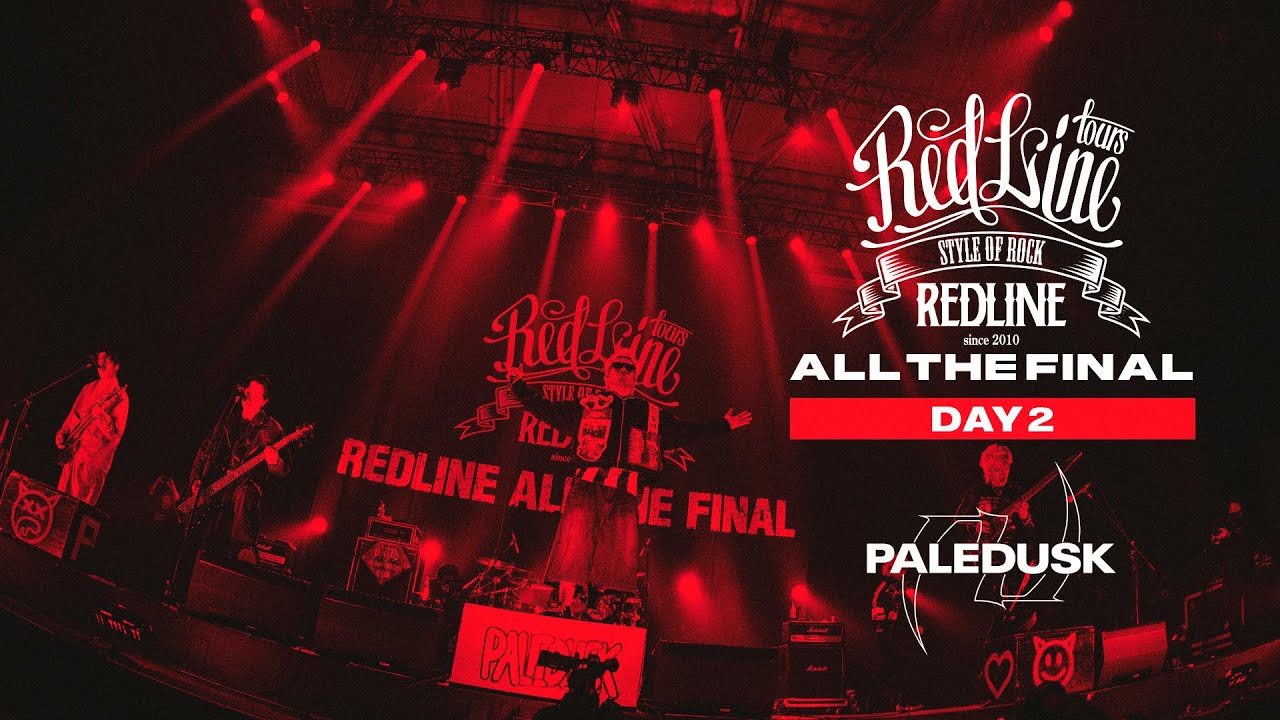
I’ve spent thirty years watching Japanese heavy bands chase two separate dreams — sounding as good as their Western heroes, or sounding like nothing else on earth. Most bands pick one lane and stay in it. Paledusk never picked.
That’s the short answer to a question I get from foreign readers more than any other: why this band? Out of every group working in Japan’s metal underground, why does Paledusk keep coming up?
The Rules Feel Optional
Listen to any Paledusk track and count the genre switches. A metalcore breakdown collapses into something that sounds like a video game soundtrack. A pop hook appears out of nowhere, lands perfectly, and dissolves back into blast. On paper this is a mess. Through speakers it’s the most natural thing in the world, and that’s the trick — the transitions never feel like stunts. They feel like a band that genuinely listens to everything and refuses to pretend otherwise.
Japanese heavy music has a long history of genre collision — the mixture boom of the ’90s built a whole culture on it. Paledusk inherited that permission slip and pushed it somewhere new. Where the older mixture bands collided genres like cars, Paledusk blends them like a DJ: fast, smooth, confident, and always in service of the song.
Fukuoka, Not Tokyo
It matters that they came up in Fukuoka, not Tokyo. A port city scene with fewer industry eyes on it gives a young band something priceless: room to get weird without a label rep in the room. The city’s small, loud venues — the kind of rooms where we first wrote about them — reward bands that can hold a crowd’s attention by any means necessary. Paledusk’s whole style reads like a band that learned early how to win over a room that didn’t have to love them.
When Kaito’s voice jumps from a scream to a melody mid-line, that’s not studio polish. That’s a live weapon, built in basements, tested on real crowds.
The Standard They Set
Here’s what I tell foreign fans: Paledusk matter beyond their own records because they changed what young Japanese heavy bands think is allowed. Walk into any live house in the country and you’ll hear the ripples — bands mixing faster, singing bolder, caring less about which genre shelf they’ll be filed under.
One band making great records is a good story. One band quietly rewriting the rulebook for a whole scene — that’s why Paledusk hits different.
Start with the introduction piece if you’re new. Then just press play.