
The City Behind the Sound
Niigata doesn’t come up much in conversations about Japan’s heavy underground. Tokyo pulls all the gravity. Osaka has its own ferocious identity. Nagoya. Fukuoka. Those names get dropped. Niigata, on the other hand, sits on the Sea of Japan coast, geographically isolated in a way that tends to produce one of two outcomes for a band: you fold quietly, or you get mean. a crowd of rebellion got mean.
I’ll point you to our first piece on them if you want the general orientation. This isn’t that. What I want to talk about is something harder to quantify — what this band actually does, sonically and physically, once you’ve decided to pay attention.
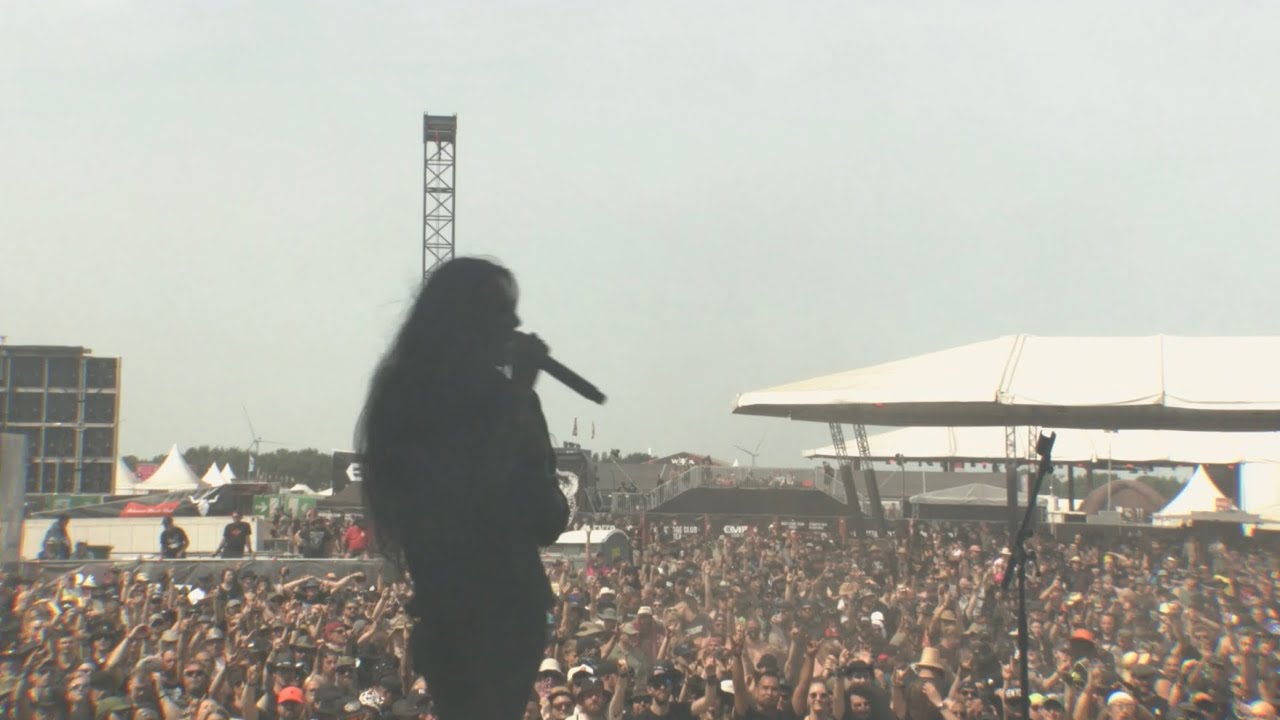
Metalcore from provincial Japan carries a specific weight that’s difficult to explain to someone who’s only heard the genre through American or British acts. There’s a tightness to it. A kind of desperation, maybe, that comes from not being in the centre of things, from knowing your show might draw eighty people in a basement and that eighty people is all you’ve got. You play like it counts. a crowd of rebellion plays like it counts.
A Listening Map
The band operates in that corridor where metalcore meets genuine heaviness — not the melodic radio-friendly strain, not the screamo-adjacent end of the spectrum. They push weight. The breakdowns aren’t decorative; they’re structural, load-bearing. The vocal work shifts between clean passages that have actual melodic intention and harsh delivery that doesn’t feel like a performance choice so much as a physiological response to the music underneath it. That’s the balance a lot of bands attempt and most get wrong. Get it wrong and the clean sections feel like an apology. a crowd of rebellion doesn’t apologize.
What’s interesting about where they sit in Japan’s metalcore conversation is the regional texture. Bands from Tokyo’s circuit often have a certain polish — access to bigger studios, more frequent shows, label attention earlier. Bands that come up outside the capital tend to have a different relationship to their own sound. It gets tested fewer times in front of larger crowds, so when it finally does land in front of one, it either collapses or it explodes. From everything I’ve heard, a crowd of rebellion explodes.
The production on their recordings threads a needle between clarity and raw energy. You can hear the individual instruments making their case. The low end doesn’t turn to mud. That’s not a small thing — metalcore can sound genuinely terrible when the mix loses its nerve, when everything gets buried in the same frequency range and you end up with a wall of nothing. This band’s records breathe. They have space in the right places, and they close that space down when they need to.
If you’re building a playlist of Japanese metalcore worth your time, a crowd of rebellion belongs near the top. Not because they check genre boxes, but because they sound like a band with something to prove. From Niigata, that’s not a pose.
Put the record on loud.