The Name Tells You Everything
I’ve been watching them since high school — god knows how many times at this point, I’ve lost count. And every single time, AKIRA’s bass playing hits like something’s on fire. There’s this white-hot intensity to it that doesn’t dim no matter how many shows you’ve sat through. I still find myself wondering, watching his hands, how does he actually make that sound? It’s one of those things you can’t fully explain, which is probably why I keep going back.
VOLCANO. No frills, no explanation needed. The name is a promise, and thirty years in the Tokyo metal scene have taught me that most bands can’t cash that kind of check. These ones can. Japan’s extreme metal underground has always punched above its weight on the world stage, quietly producing bands that can match anything coming out of Germany or the American Midwest. VOLCANO sits somewhere deep in that tradition — a heavy metal and thrash act that sounds like it was built in a garage by people who had nothing to prove and everything to destroy. The riffs are thick. The tempos are punishing. And there’s an honesty to the aggression that a lot of bands spend years trying to fake.
What makes VOLCANO worth your attention specifically is how they balance the two sides of their sound. Pure thrash can sometimes disappear up its own technical backside — all speed, no weight. Pure heavy metal can go the other way, all atmosphere and swagger without the teeth. VOLCANO seems to understand this. There’s a physicality to the music that keeps both sides honest. The thrash elements push the pace and keep the arrangements tight, while the heavy metal foundation stops it from becoming just an exercise in velocity.
Why the Live Show Is the Real Argument
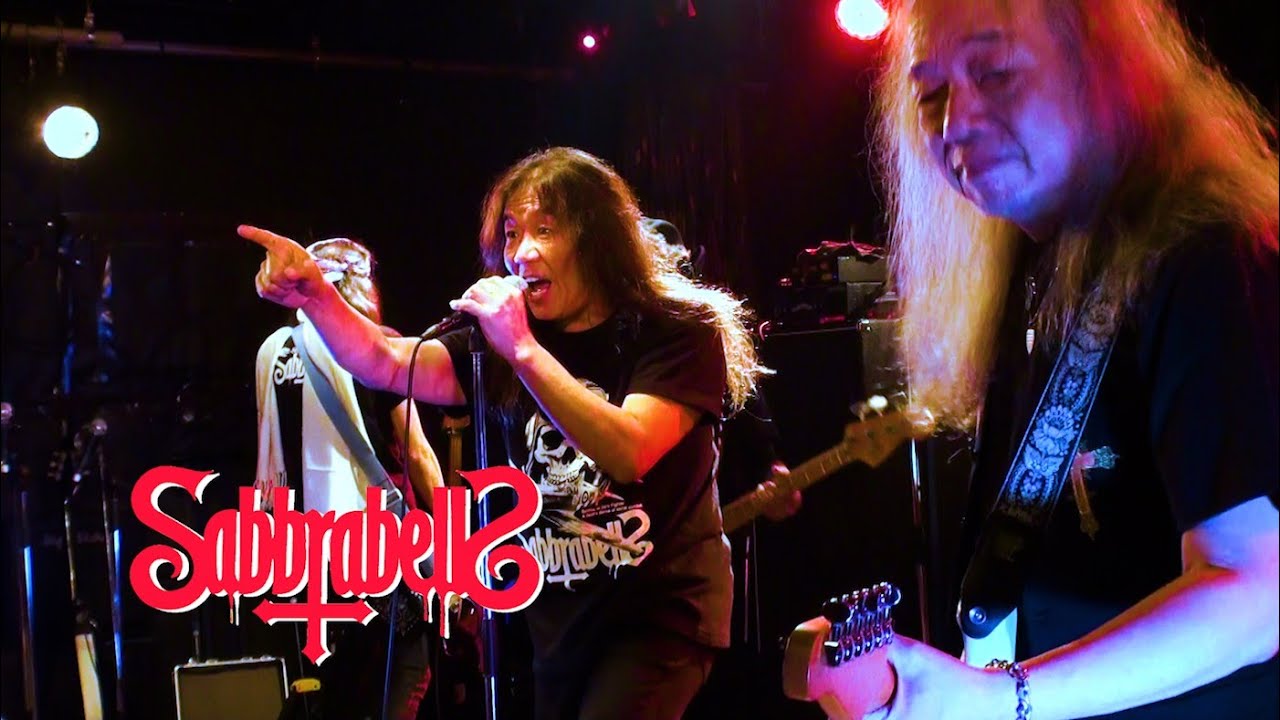
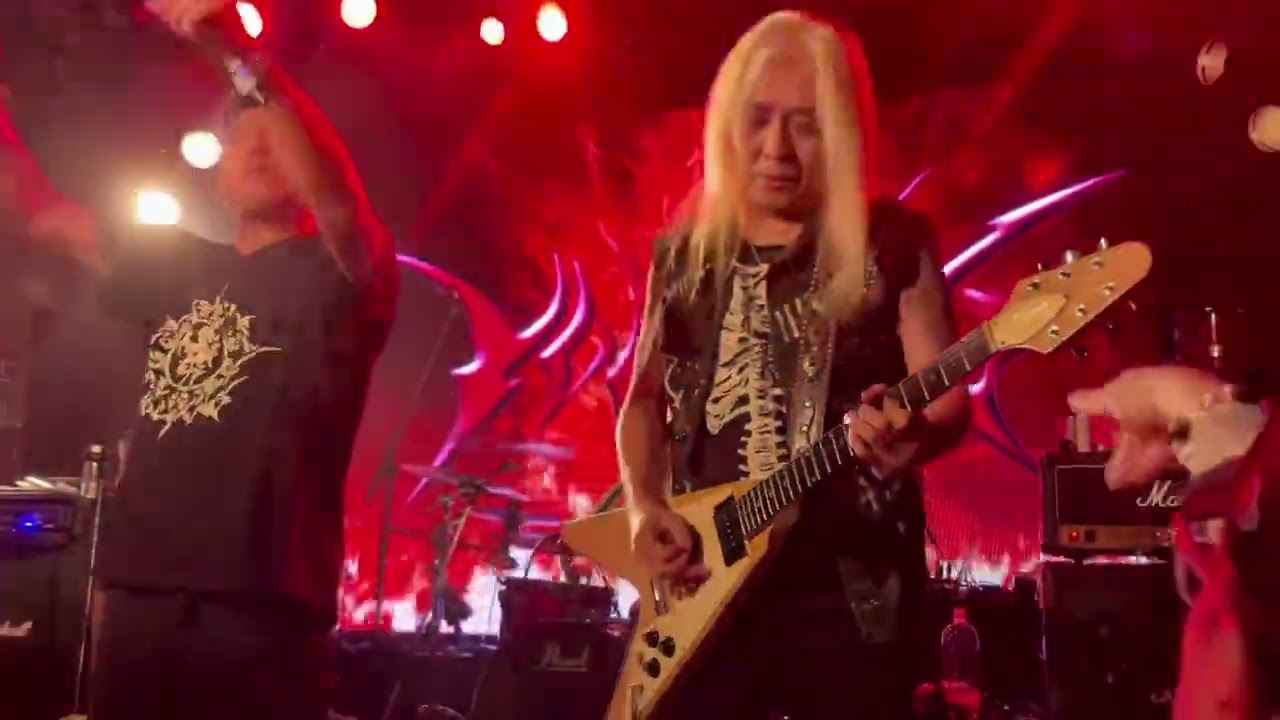
I caught word of their live reputation before I ever got deep into the recordings — but then, I already knew it firsthand. That tells you something. In the Japanese metal world, there are bands that make records and bands that make rooms move. The best ones do both. From what circles of Osaka, Nagoya, and Tokyo promoters and diehard fans have told me — and from what I’ve felt standing in those rooms myself — VOLCANO belongs firmly in the second category. The kind of act where the audience doesn’t need to be coaxed. The energy apparently moves in one direction from the first riff: forward.
That kind of momentum is harder to fake than a production job. You can fix a lackluster drum tone in the mix. You can’t fix a band that doesn’t believe what it’s playing. And you absolutely cannot fake what AKIRA does to a bass guitar in a live room — that heat either transfers to the crowd or it doesn’t. With VOLCANO, it does.
Honestly, one of the things I find most interesting about VOLCANO is how they exist almost outside the usual conversation about Japanese metal overseas. The big names from this country get passed around in online communities constantly. VOLCANO feels like a discovery you make by actually digging — by finding the right distro, the right underground forum post, the right person at a show who says “have you heard these guys?” That word-of-mouth quality, in 2024, is genuinely rare.
Japan has a tendency to produce metal bands with immaculate technical execution but a slightly antiseptic quality — everything perfectly placed, the danger surgically removed. VOLCANO doesn’t suffer from that. The rough edges are features, not bugs. The aggression reads as real because it sounds like it costs something to play this music at this intensity. I’ve watched them enough times to know that cost doesn’t go down. If anything, it seems to go up.
If you’re building a map of Japan’s heavier underground and haven’t marked VOLCANO yet, that’s the gap to fill first.