
The Pitch Sounds Wrong
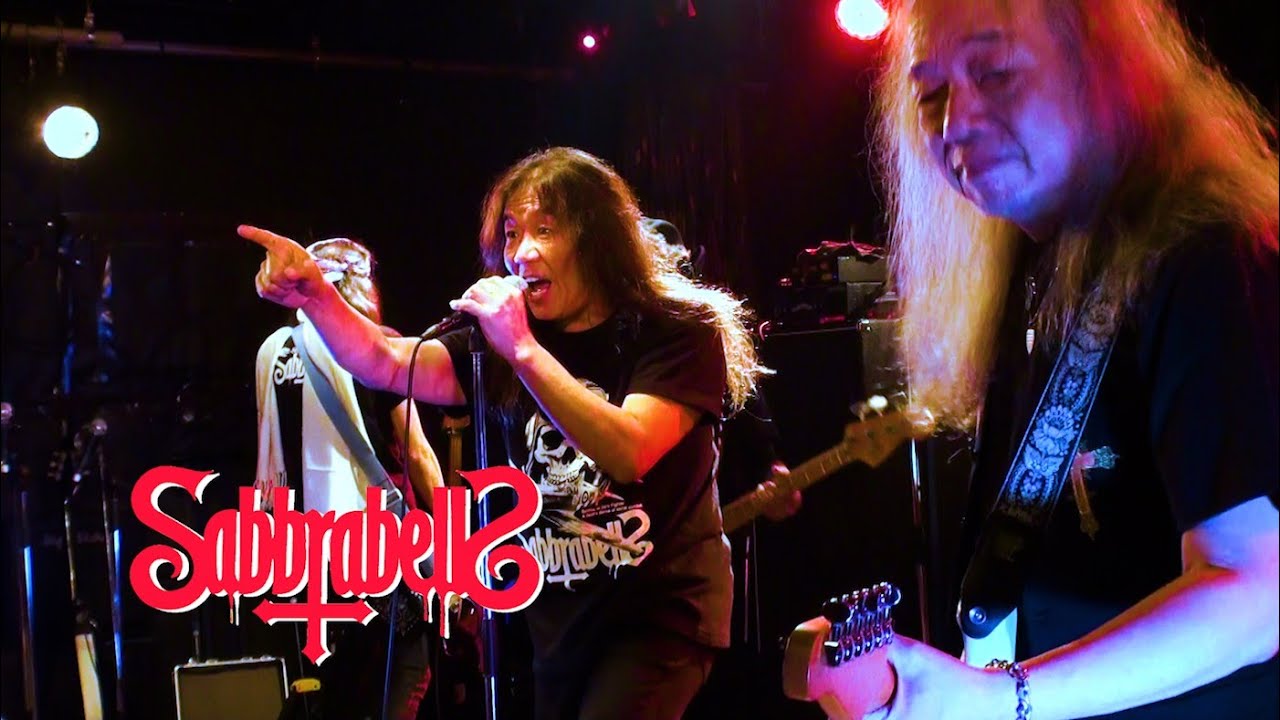
I really want Americans to see this — I’d love to know what they make of it. Me, the first time I watched them, I was completely floored. It’s just too weird, you know? Like, what even is this? It’s metal, no question, but it’s a curveball — and the crowd is going absolutely berserk.
That was my introduction to Broken By The Scream, and that gut-punch of disorientation never fully goes away, even after you’ve had time to process what you’re looking at. Idol group. Metalcore. Together. I get it — your first instinct is to assume somebody got the genres mixed up, that this is a novelty act coasting on the contrast. Maybe some label executive figured the intersection of two passionate fanbases equals easy money. It’s a cynical read. It’s also wrong.
Broken By The Scream are the kind of band that makes you feel slightly embarrassed for having doubted them. The screams are real. The breakdowns land. The clean melodic passages — which you might expect to feel tacked-on, a concession to the idol format — actually carry weight, and that tension between softness and aggression is doing genuine structural work rather than just providing variety.
What makes this project harder to dismiss than a lot of crossover acts is the commitment. Japan has produced idol groups doing “heavy music” before, and a lot of them treat the metal elements like set dressing: the costumes look intense, the music video lighting goes dark, and then the song is basically a pop track with distorted guitar buried somewhere in the mix. BBTS don’t do that. The metal half is treated like the metal half. Riffs actually riff. The percussion hits the way metalcore percussion is supposed to hit. Nobody is sandbagging.
Why This Specific Combination Works
The idol framework, far from being a handicap, creates something metalcore has always benefited from and rarely admits: strong vocal melody up front. Classic metalcore — your late-2000s American stuff, your Japanese acts who came up in that same tradition — often leaned on the clean-chorus moment as the emotional hinge of the whole song. BBTS have that hinge built into the DNA of the project. The group format means the melodic duties are distributed, the voices layer in ways a single frontperson can’t replicate, and the contrast when the scream hits is more violent because the sweet thing it interrupts was genuinely sweet.
That curveball quality I mentioned — that first-watch weirdness — is actually load-bearing. It’s not a glitch in the concept, it’s the engine of it. The whiplash is the point. When the crowd goes as hard as they do, it’s partly because nobody in that room has fully agreed on what genre they’re watching, and that unresolved tension has nowhere to go but out through their bodies.
The live footage drives this home. The energy lands differently than you’d expect. This isn’t choreography-first with the music as background. The performance reads as band performance first — physical, slightly chaotic, the members actually feeling the material rather than executing a synchronized routine on top of it.
The fanbase crossover is real and kind of fascinating to watch. You see people in the crowd who are clearly there from the idol side and people who are clearly there from the metal side, and what’s interesting is neither group looks miserable. That’s not nothing. Most attempts to fuse these worlds produce a room where everybody is tolerating half the show. BBTS seem to have actually solved the problem.
If you’ve been sleeping on Japan’s idol-metal space because past encounters with it left you cold, Broken By The Scream are the argument for giving it another shot. Start with the heaviest thing you can find from them and work outward from there.