There’s a particular kind of Japanese hardcore record that doesn’t bother with an intro. No fade-in, no sample, no ninety seconds of feedback to set the mood. The needle drops and you’re already three bars into a song that’s going to be over before you’ve worked out what the riff is doing. URBAN TERROR, who are no longer active, belonged to that lineage, and honestly, that’s the highest compliment I can pay a hardcore band.
I want to be careful here, because this is a band whose whole appeal falls apart the second you get precious about it. Their music is not complicated. It’s mid-to-fast hardcore punk with the metal turned up just far enough that the guitars sound like they’ve been sharpened on a grinder, and vocals delivered in that scraped-raw bark that Japanese hardcore has been perfecting for decades. The bass is loud. The drums hit like somebody’s taking it personally. That’s the pitch.
The sound of a room, not a studio
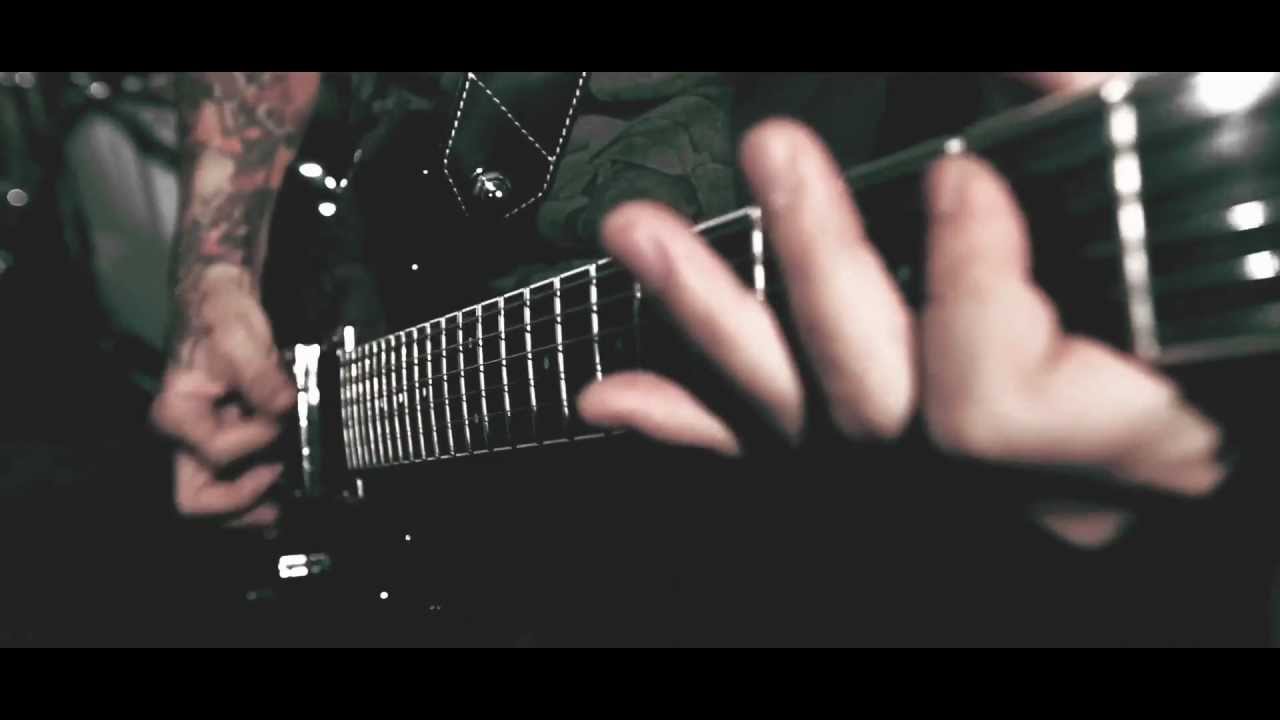
What separates this stuff from the rest of the world’s hardcore — and I’ve argued about this with people who disagree, loudly, in basements — is the tone. Japanese hardcore guitars have a specific character: bright, over-driven to the point of distortion becoming a texture in its own right, with a mid-range bite that cuts rather than rumbles. URBAN TERROR sat right in that tradition. The riffs are built out of power chords and downstrokes, but there’s an attack in the way they’re played that you can’t fake with a pedal. You either hit the strings that way or you don’t.
The songwriting is blunt in the best sense. Verse, chorus, a break where everything drops to bass and drums so the floor can do its thing, then back in twice as hard. Some tracks barely clear two minutes. Very few of them overstay. When a solo turns up, it’s short and scrappy and slightly out of tune, which is exactly right — polish would kill this.
What I keep coming back to is the pacing across a full release. Individually these songs are simple. Stacked together, they build a momentum that’s genuinely physical. By track five you stop hearing individual riffs and start hearing one long forward lean. That’s a hard thing to engineer, and bands with far more technical ability fail at it constantly.
Where they fit
For a foreign reader parachuting into Japanese hardcore with no map, here’s the useful context. The scene here has never really cared about the hardcore-versus-metal border that Western bands spent the nineties agonising over. Metal riffs, punk tempos, crust-adjacent filth and straight-up rock’n’roll swagger all coexist in the same set, often in the same song, and nobody in the room finds it strange. URBAN TERROR worked inside that consensus. There’s metal in the guitar work, but the attitude, the song lengths and the delivery are pure hardcore punk.
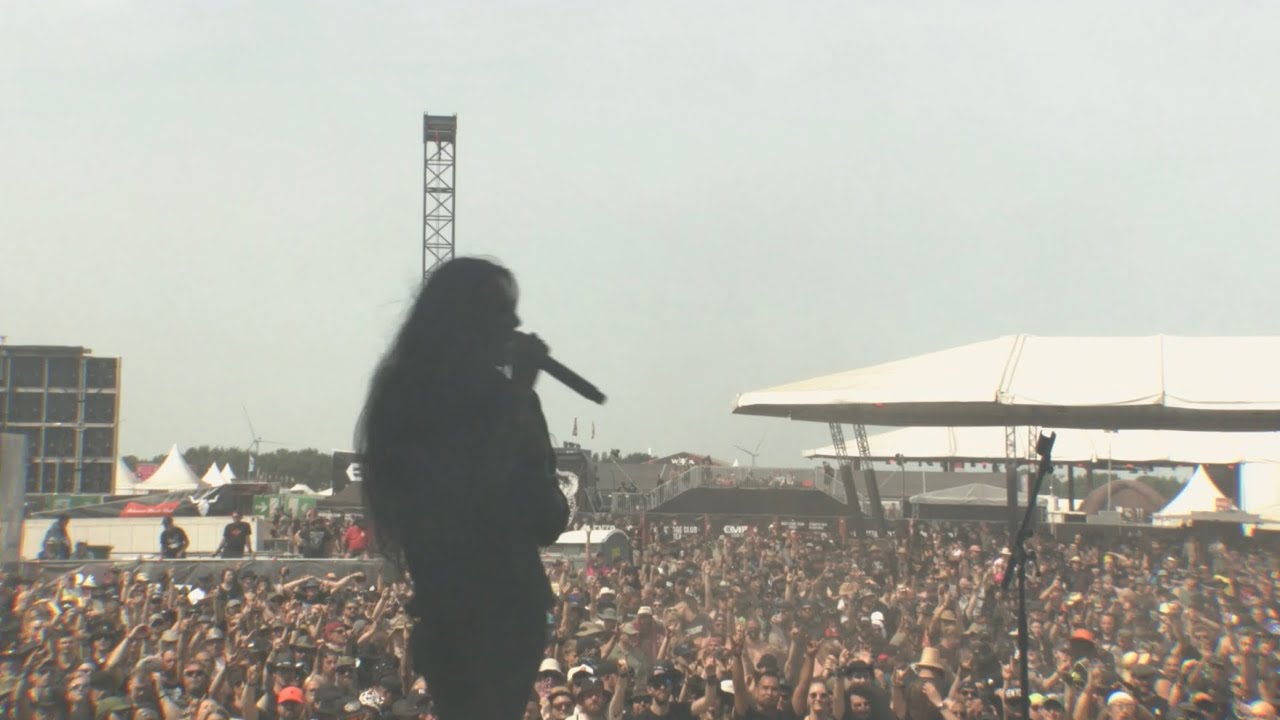
It also means the band wasn’t chasing crossover appeal. This isn’t music built for playlists. It’s built for the specific experience of standing in a small, badly ventilated venue where the PA is losing the fight against the backline and you can feel the kick drum through your shoes. The recordings capture enough of that to work on headphones, but you can hear what they were aiming at.
Start with whatever full-length you can track down and play it loud enough to annoy someone. If the first two songs don’t land, nothing later on the record is going to change your mind — this is not a band with a hidden depth reveal in the back half. Either the sound of a guitar being hit very hard makes you happy or it doesn’t.
Mine does. Every time.