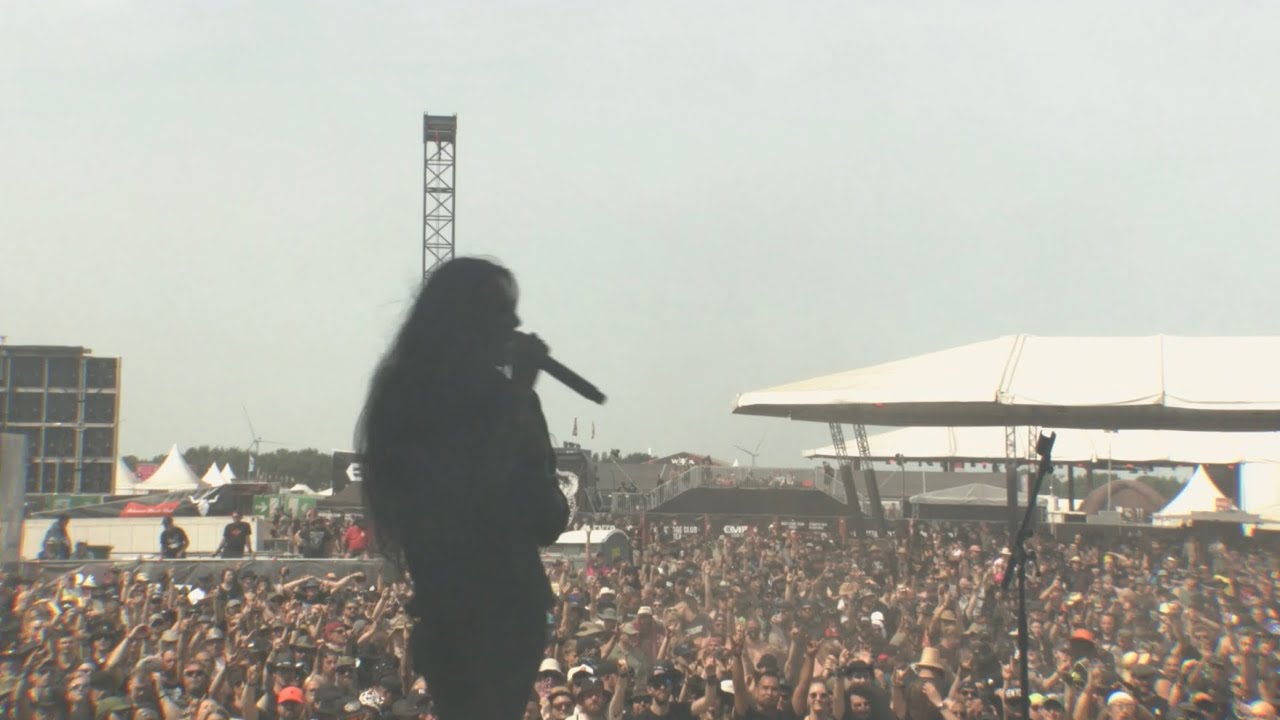

There’s a specific kind of Japanese hardcore band that doesn’t bother introducing itself. No intro track. No slow build. The song is already happening by the time your brain catches up, and then it’s over, and you’re standing there with your ears ringing wondering if that was ninety seconds or four minutes. THUMB were that kind of band. They have since broken up, and the records are what’s left — which is plenty.
I want to be honest about what drew me in. It wasn’t a hook. Japanese hardcore of this stripe generally doesn’t do hooks in the way a foreign listener expects — there’s no chorus waiting to reward you for patience. What you got instead was momentum, and a band that trusted momentum to do the whole job. The riffs landed like someone shoving a door shut. The drums pushed rather than decorated. Vocals sat in the mix as another blunt instrument, not as a storyteller up front with a spotlight.
That economy is the thing. It’s the single most underrated quality in this scene, and it’s why a lot of overseas listeners who come to Japanese hardcore expecting either D-beat worship or Japanese-metal flash end up recalibrating fast. This music isn’t ornamental. A song does one thing, does it hard, and gets out before it becomes a style exercise.
What the records actually do
Put THUMB on and the first thing you notice is that nothing is padded. There’s a tightness to how the parts lock that suggests a lot of practice-room hours and very little patience for jamming. Tempos shift, but they shift like a gear change in traffic — abrupt, purposeful, no signposting. The heavy parts aren’t breakdowns in the modern sense. They’re closer to the moment a riff simply refuses to move, sitting there grinding while the drums keep insisting.
The production, too, is worth sitting with. A lot of Japanese hardcore records resist the big-room polish you’d get from a Western studio of comparable ambition. Guitars stay dry and close. Bass is audible and mean — actually audible, not a rumor underneath everything. There’s a physicality to it that reads almost aggressive to ears trained on compressed, scooped modern mixes. Give it two or three listens and it flips. The dryness starts to feel like honesty.
And that’s a whole worldview, really. There’s a strand of the scene here that treats recorded hardcore as documentation rather than as a product. You play the songs. You capture them. You don’t spend six months making them sound like a bigger version of themselves. THUMB sat squarely in that tradition, and the tracks are better for it.
Where they fit, for the newcomer
If you’re coming from outside Japan and your entry points were the obvious ones — the big crust names, the legendary noise-punk records everyone lists — THUMB are a useful next step because they were never a novelty. There was no gimmick to sell you. They were a hardcore band, working hardcore’s core vocabulary, doing it with enough conviction and enough compression of ideas that you stop grading them against foreign reference points about a minute in.
I’d also say don’t stream two songs and move on. Hardcore this concentrated works in album shape, or at least EP shape. One track alone is just a hit to the arm. A run of them starts building an actual argument — about tension, about how long a band can hold you before releasing, about how little you actually need to make something feel enormous.
Start with whatever full release you can track down and let it run end to end with the volume louder than you think is sensible. Somewhere around the third track it clicks, and then the short songs stop feeling short.