The Two-Guitar Problem
First time I caught Thousand Eyes was at Shibuya Cyclone — different drummer back then, but even that early lineup stopped me cold. What hooked me immediately was the combination of technical brutality and the vocalist’s between-song patter, which was genuinely, unexpectedly funny. That contrast — music this ferocious delivered with that kind of wit — was disorienting in the best possible way. I’ve been following the band ever since, and that tension between the punishing and the playful hasn’t gone anywhere.
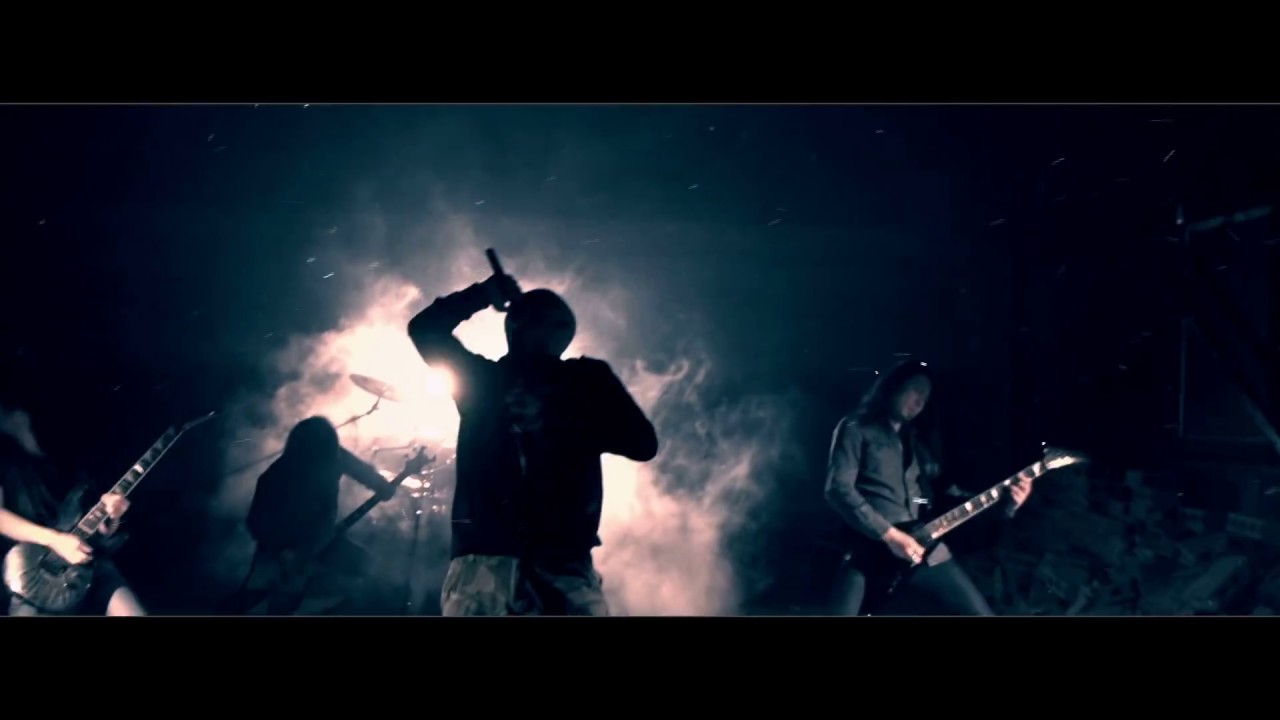
Here’s something I keep coming back to every time I watch them now: there are two guitarists in this band, and both of them are operating at a level that would make most musicians quietly reconsider their life choices. Honestly, it’s a little unfair. While plenty of metal bands use the dual-guitar format to split rhythm and lead duties down the middle — a clean, sensible arrangement — Thousand Eyes seem to treat that division as a challenge to outrun entirely. Both players are fully, aggressively in it. Complex runs, interlocking patterns, passages that sound like they’d need three hands to pull off live. And then they pull them off live. Every time.
What strikes you first, if you catch them on a stage, is how relaxed they look doing it. That’s the thing about genuinely elite musicianship — the effort disappears. You’re watching music that should, by rights, require visible suffering, and instead you get two guitarists who seem almost unhurried. It’s a strange, slightly disorienting feeling. The complexity is just… there. Sitting in the room with you, completely unbothered.
The Whole Machine
The guitarists would be enough to build a conversation around. But to talk about Thousand Eyes and stop there would be doing the band a disservice, because the whole lineup is working at the same level. These are professionals. Every single one of them.
The drummer is a particular force. Brutal is the right word — the kind of drumming that builds pressure in your chest before you’ve consciously registered what’s happening. Heavy, precise, relentless. The kind of kit work that doesn’t just hold the band together but actively pushes against everything else, creating tension the guitars and rhythm section have to fight through. That tension is a big part of what makes the band’s sound so physically immediate. You don’t just hear Thousand Eyes. You kind of feel them making demands.
What they’ve built, taken as a whole, is music that’s compositionally dense without becoming academic. This isn’t tech-metal as exercise, not a showcase dressed up in a band format. The songs have weight and intention. The complexity serves something. When you’re standing in front of them and the two guitars are threading around each other over those brutal drum patterns, there’s an emotional pull underneath all the technical architecture — something that keeps it from ever feeling cold.
Why They Matter Right Now
Japan’s metal scene has no shortage of technically accomplished acts, and it hasn’t for a long time. But Thousand Eyes sit at a particular intersection: the precision of a band that has clearly spent thousands of hours getting this tight, and the rawness of a live act that still hits hard in the room. That combination is rarer than it sounds. Plenty of technically precise bands lose something in translation to a stage. Thousand Eyes don’t. If anything, the live context is where the full picture becomes clear — the two-guitar interplay becomes visible, the drumming becomes physical, the whole thing locks into focus.
To me, they represent something real about where Japanese metal is right now. Not chasing trends, not filing down edges to fit somewhere easier. Just playing at a level that, when you’re watching it, makes you ask the same question I always end up asking: how are they making that look so easy?