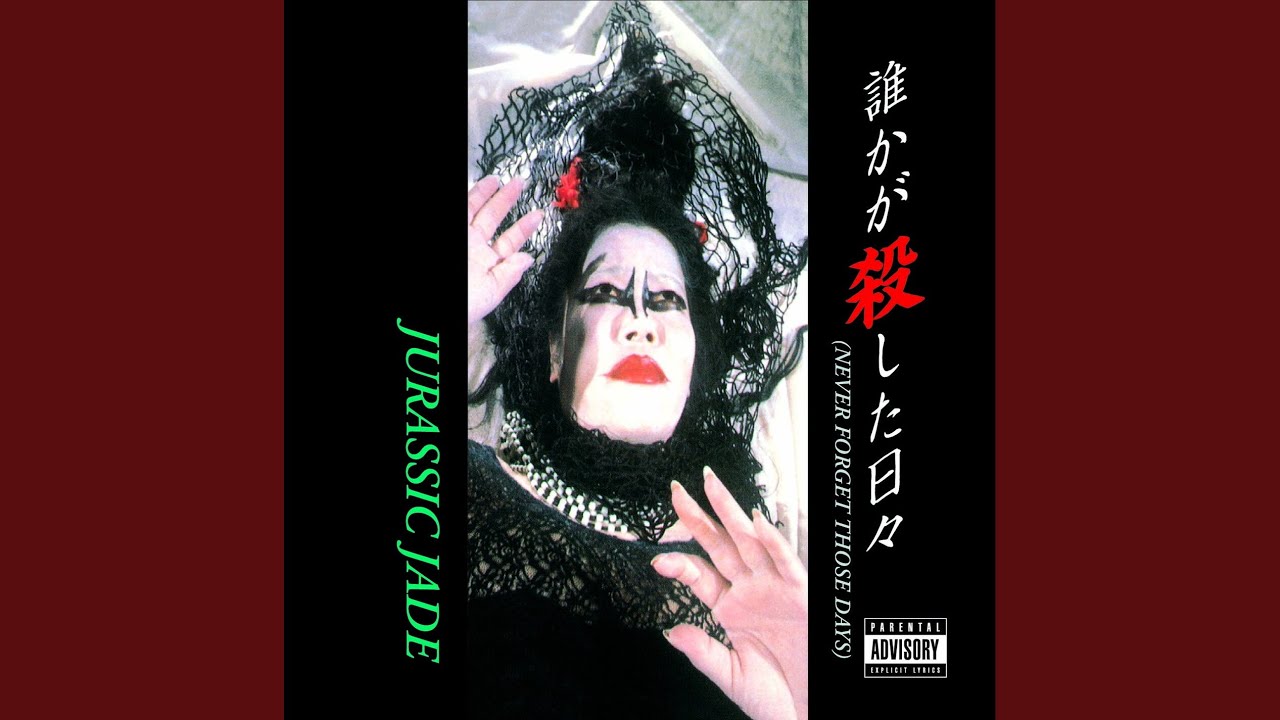
We already covered the broad arc of this band over here, so I’m not doing the history lesson twice. I want to talk about one thing instead. The voice.
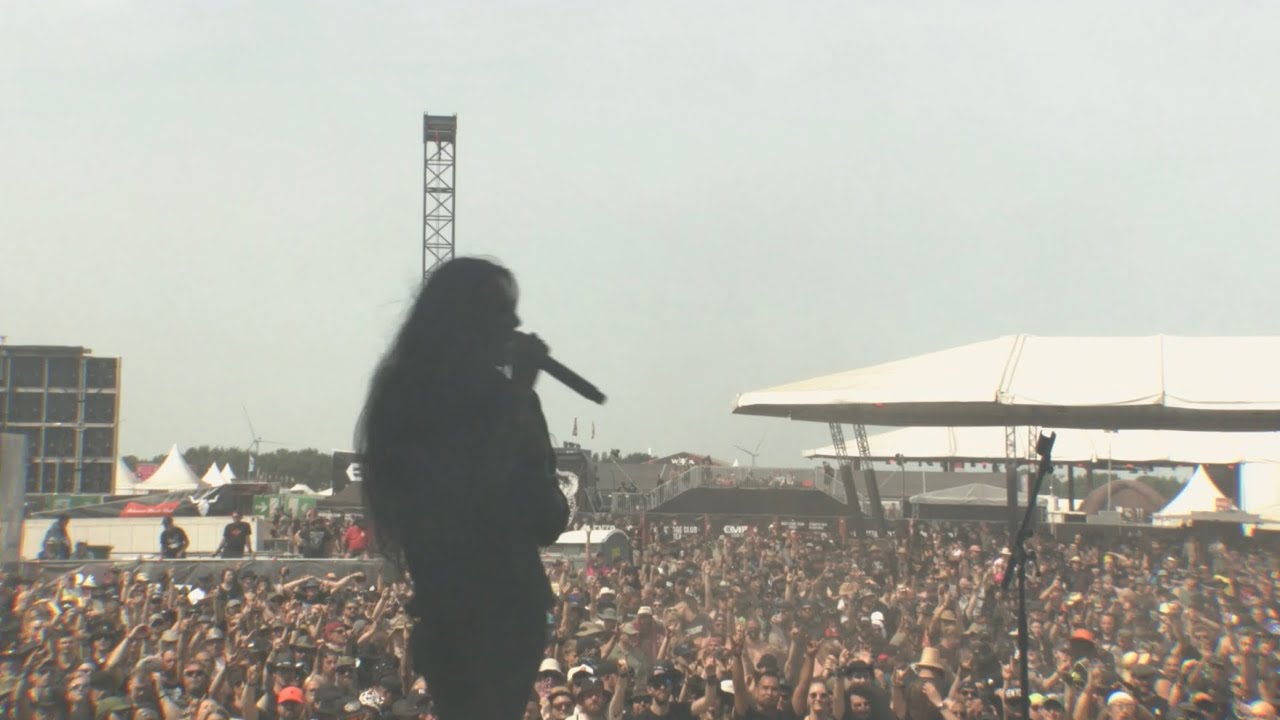
Because that’s the part that trips people up. A friend visiting from overseas put a Jurassic Jade track on in my apartment, went quiet for about thirty seconds, then asked me who it was. Not what the band was called — who that was. That’s usually the reaction. Thrash vocals in general are a narrow lane: bark, sneer, throat-shred, repeat. And here’s a woman fronting a Japanese thrash band with a delivery that doesn’t sit in any of the polite boxes people build for female vocalists in metal. No operatics. No clean-singing counterweight to a growling dude. Just a voice going straight at the riff like it’s a fight she intends to win.
The voice does the damage
What gets me is the control underneath the ugliness. It sounds unhinged on first listen. Play it three or four times and you start hearing how deliberately the phrasing lands — where she drags behind the beat, where she snaps ahead of it, where a line gets bitten off early so the guitars have room to breathe. That’s not accident. That’s someone who has been doing this long enough to know exactly how much air a thrash song needs.
And it changes what the band can write. Listen to how the riffs are built. There’s a lot of mid-paced, grinding, slightly-off-kilter material in there that a more standard thrash outfit would never bother with, because a standard thrash outfit needs speed to carry the vocal. Jurassic Jade don’t. The voice carries itself, so the guitars are free to crawl when they want to crawl. Then the tempo kicks and it’s proper old-school thrash, the crossover kind, punk in the elbows.
It’s a heavier band than the tag “thrash” prepares you for, honestly. Some passages sit closer to death metal in weight. Some of it sounds like hardcore that got fed after midnight. The connective tissue is always that throat.
Coming to it cold
If you’re new, don’t start with a curated best-of mindset. This is a catalog band, and the thing to do is pick a record, any record, and sit with the whole thing rather than skipping around. Their albums are sequenced like albums — slow bits earn the fast bits, and a track that seems like filler on shuffle turns into the thing that makes track six hit.
Give it two passes. First one, the production and the vocal will feel like a wall. Japanese underground metal from the veteran end of the scene often does, and to be real, some of it was never mixed to flatter anybody. Second pass, once your ears adjust, the songwriting steps forward and you’ll notice how much of it is genuinely memorable. Riffs you can hum. Which is rarer in thrash than the genre likes to admit.
There’s also a stubbornness to the whole project that I find kind of moving. Bands like this one don’t exist because a scene supported them. They exist because a small number of people refused to stop, through every stretch where nobody in Japan wanted thrash and every stretch where the trend-chasers wandered in and back out again. You can hear that refusal in the recordings. It doesn’t sound triumphant. It sounds tired and mean and completely unbothered, which is a much better sound.
Put on a Jurassic Jade record with headphones, wait for the first vocal entry, and see if you don’t sit up a little straighter. Most people do.