Follow almost any thread in Tokyo’s metallic hardcore scene back far enough and you arrive at the same band. State Craft existed for about six years in the second half of the 1990s. A good part of what came after grew out of it.
Tokyo, 1995
State Craft formed in March 1995 and was active mainly in Tokyo. The name is also written ST8.
The style was what Japan calls new school hardcore: hardcore that had taken on the riffs and weight of metal. Writers looking back have also filed the band under edge metal, the melodic, metallic strain associated with the straight-edge scene in Europe. One retrospective ties the band to the 168 crew, the circle of Tokyo bands built around DIY and straight-edge values.
The singer was Yoshimasa Ohnuki. The guitarists were Hiroyuki Shinohara and Hiroyuki Kohama. The rhythm section changed several times.
The Records
The band moved step by step. A demo, Unity and Fight, was made in October 1995. An EP, Never Forget…, followed in 1996, a split with the band Standing Point in 1997, and a mini-album, Until the Darkness is Gone, in 1998.
Then came an EP with one of the great titles in Japanese hardcore: Embracing Serene Memories In This Nocturnal Snowlight Garden Of Eden.
In 1999 the band appeared on a split seven-inch with the American band Aftershock, released in the United States. Each side is a Slayer cover. State Craft’s is “Spirit in Black.”
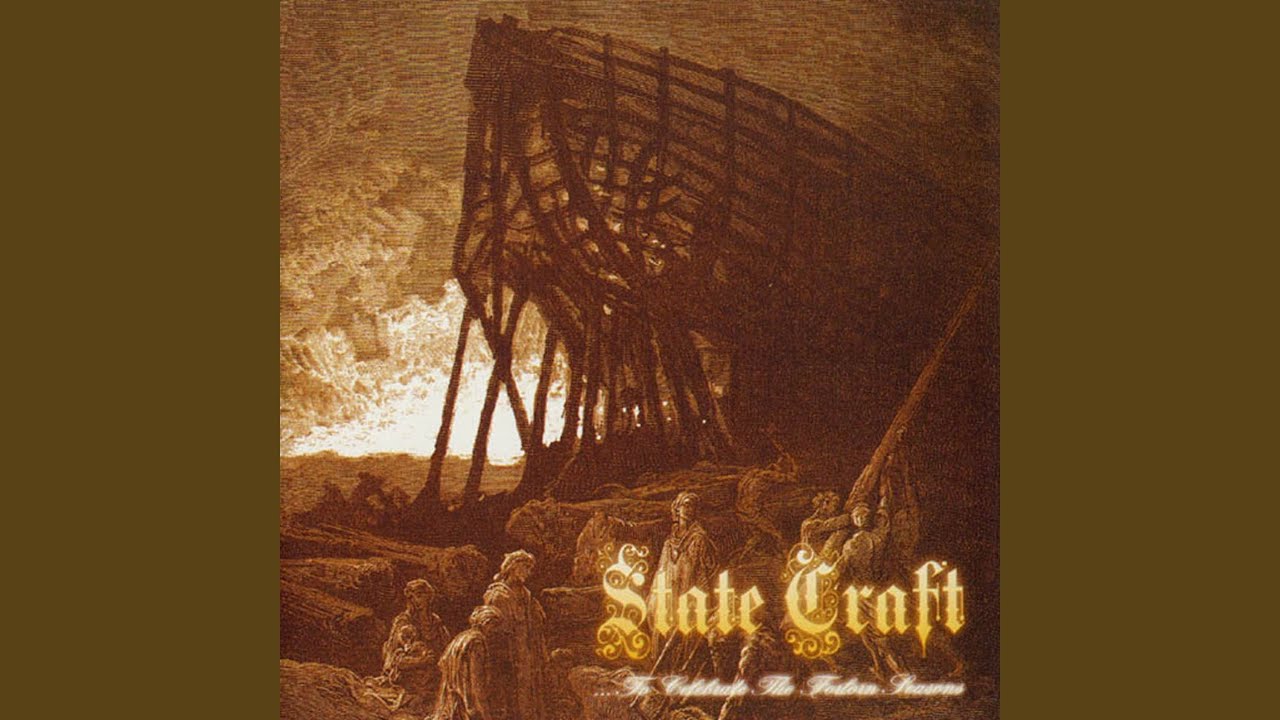
In 2000 came the only full album, To Celebrate the Forlorn Seasons, released by Good Life Recordings in Belgium.
The End
Through the late 1990s the band played constantly in Tokyo. A recording of a show at Shinjuku LOFT from 1998 still circulates online.
Activity stopped in 2001.
What It Started
In the summer of 1998, while State Craft was still going, some of its members started a side project. It was called Loyal to the Grave, and it has outlived the parent band by a quarter of a century.
The rest of the family tree is here.
Why It Matters
State Craft made one album and was finished in six years. Writers on the scene still name it when they explain where Japanese metallic hardcore came from.
Start with To Celebrate the Forlorn Seasons.