
The Sound Out of Sapporo
On a high school field trip to Hokkaido, me and a handful of troublemakers ditched the tourist itinerary — because honestly, what were we going to do, admire the scenery? — and made straight for the nearest live house. We had no idea who was playing. Didn’t matter. That’s where we found SLANG. None of us knew them. None of us had any excuse not to, either. We were seventeen, eighteen years old, and somehow we’d made it that far without hearing one of the best bands in Japan. I still feel a little stupid about it.
That accidental show is probably the best argument I can make for why SLANG deserves your attention. Not a recommendation from a magazine, not an algorithm, not a friend of a friend’s playlist — just a roomful of kids who’d wandered in off the street and got completely leveled before the first song was even finished.
Sapporo is a long way from Tokyo. Geographically, sure — Hokkaido sits at the northern tip of the country, separated by water and distance from the capital’s sprawl. But the gap feels cultural too. Things that come out of Sapporo’s underground don’t carry that self-conscious scene-politics flavor you pick up in Tokyo or Osaka. There’s a directness to it. SLANG is probably the clearest example I can point to.
They play hardcore. Not the kind draped in atmospherics or reaching sideways toward post-this or blackened-that. Actual hardcore. The kind that moves fast when it needs to, slows to a grind when that’s what the moment demands, and never once seems interested in impressing anyone beyond the front row. Honest stuff. The riffs don’t overstay their welcome, the tempos hit without telegraphing, and there’s an underlying tightness to the whole thing that only comes from a band who has been doing this for a very long time.
What I find genuinely interesting about SLANG is how little they seem to care about the optics of being “Japan’s big hardcore band.” They’re not performing mystique. They’re not leaning on aesthetic packaging. The music is doing all the talking, which in this era of overcurated band identities feels almost radical.
Why They’ve Lasted
Japan has produced a serious amount of world-class hardcore over the decades, and the foreign metal and punk communities have only scratched the surface of what’s actually out there. SLANG tends to come up when the conversation gets serious. Ask someone who’s spent real time digging into the Japanese underground and their name lands without hesitation.
Part of it is longevity. Bands that stay active and relevant in the underground aren’t surviving on hype cycles — there are no hype cycles down here. SLANG has kept moving because the music gives people an actual reason to return to it. Straightforward, maybe. But not all bands manage it.
There’s also something about the geography worth sitting with. Sapporo breeds a certain kind of focus, I think. You’re not in the middle of the Tokyo circuit. You’re not bumping into industry people at shows every weekend. You build something because you mean it, not because the infrastructure is encouraging you to. Whether that’s myth-making on my part or real, the output from that city’s underground tends to have a quality of commitment that’s hard to fake.
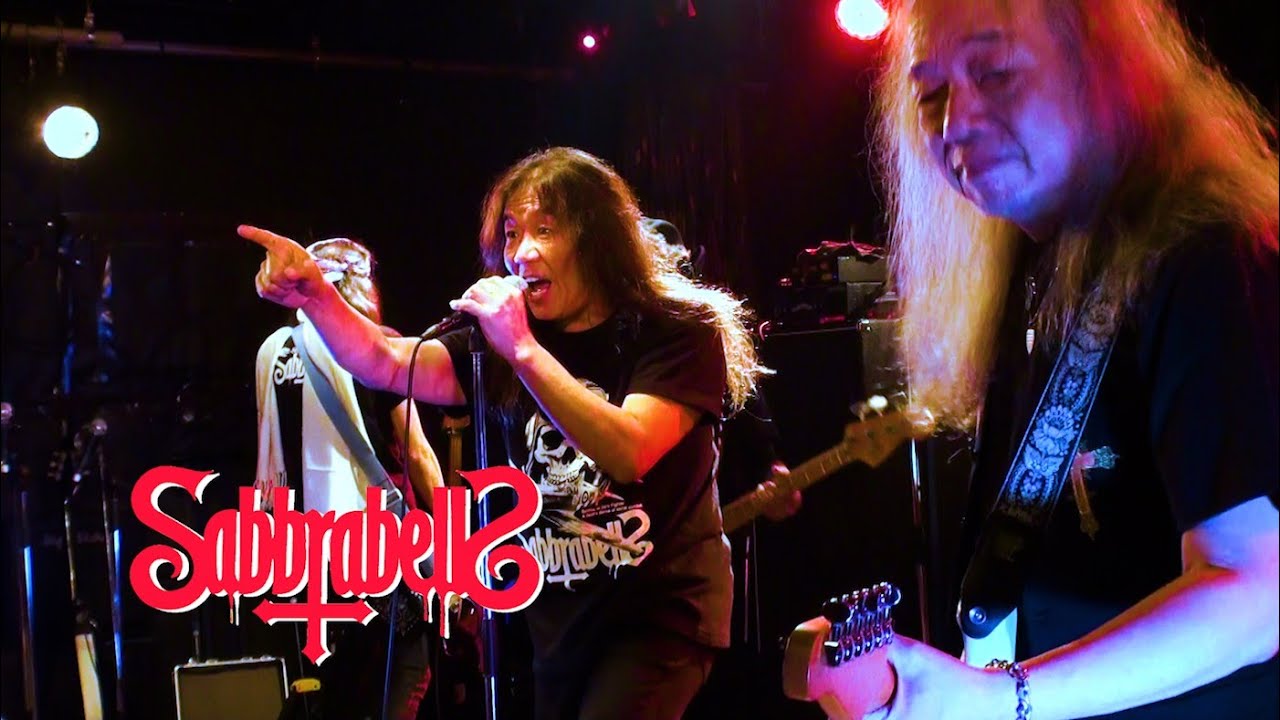
I’ve seen it in person — a small venue, the kind of place with bad ventilation and a PA system held together by hope, the room already locked in before the first song finished. No buildup. No mood-setting. Just immediate, total conviction. The crowd responded in kind. I know that feeling well. I felt it the first time, on a school trip I was supposed to be spending differently, in a city I didn’t live in, watching a band I’d never heard of.
If you’re coming to Japanese hardcore for the first time, SLANG is a solid place to land. If you’ve been circling the scene for years and somehow missed them, fix that now. Start with whatever you can find. The entry point barely matters.