We already ran the introduction. If you want the who-and-why version, it’s over here. This one’s for the second listen — the part where you stop checking whether you like the band and start noticing what they’re actually built out of.
Because CASBAH are a riff band. Not a riff band in the stoner sense, where one fat figure loops until the room goes numb. A riff band in the older, more thankless sense: songs assembled out of guitar parts that have to earn their spot, hand off cleanly to the next one, and come back changed. That’s craft work. It’s also the least Instagrammable thing a metal band can do.
Listen to the second guitar
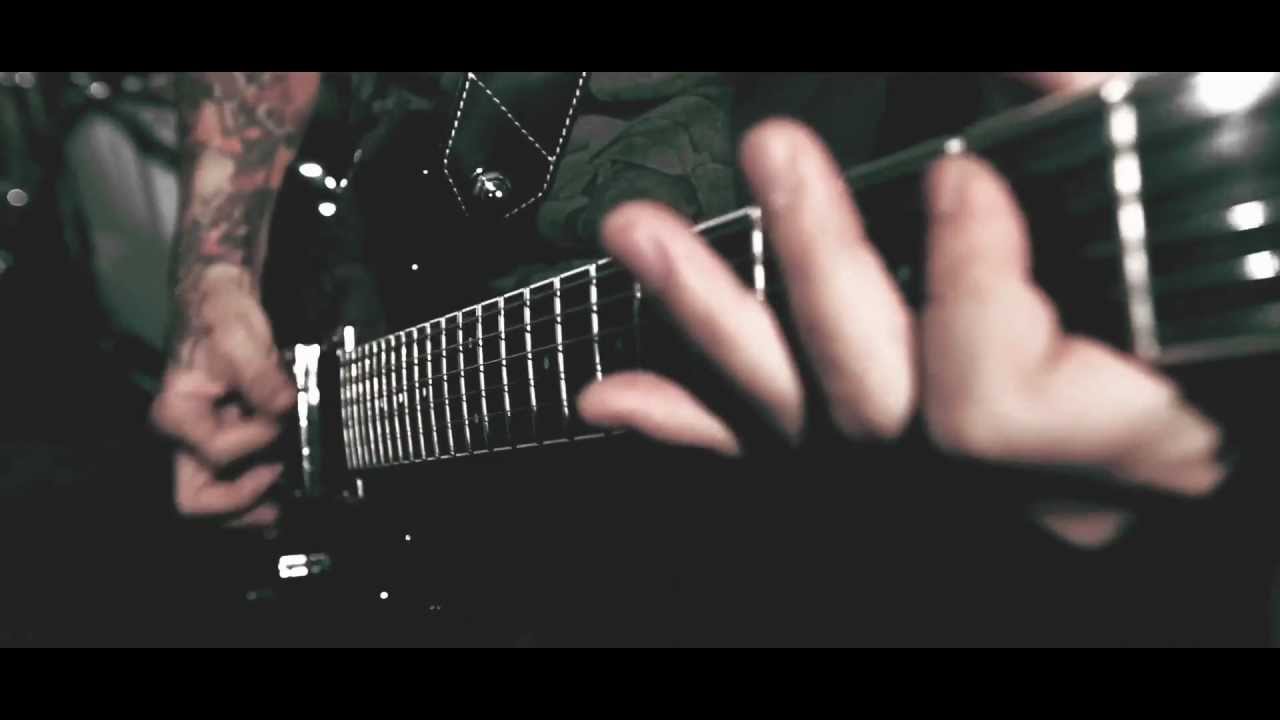
Here’s my suggestion for anyone coming in cold. Pick any track and ignore the vocal on the first pass. Follow the rhythm guitar instead — not the lead, the one holding the floor down. What you’ll notice is how rarely it just chugs. There’s a constant small movement in the picking hand, a refusal to let a part sit flat for eight bars when six will do. Japanese heavy metal has a long habit of this, going back to the bands that grew up on NWOBHM records imported at absurd markups and then had to work out the parts by ear. You learn a certain fussiness that way. You learn that the riff is the song.
CASBAH have that fussiness. The tempos move around more than you’d expect from a band filed under plain heavy metal, and the transitions tend to arrive a half-beat before you’re ready for them. It keeps you leaning forward. Compare that to a lot of modern trad-metal revival stuff, where the whole point is comfort — you know where the chorus is by bar four and the band knows you know. CASBAH aren’t hostile about it, they’re just less interested in making it easy.
The unfashionable middle
There’s a thing that happens to bands like this in Japan. They’re too straightforwardly metal for the crowds chasing extremity, and too underground, too unpolished, too uninterested in the whole aesthetic package for the crowds who want their heavy metal with a stylist attached. So they end up in the middle. The middle is where the good stuff hides, and it’s also where bands quietly stop getting written about.
That’s the actual reason to do a second piece. Not because there’s news. Because the records deserve more than one pass from foreign ears, and because “heavy metal” as a tag has become so generic on streaming that a band playing it properly gets buried under a thousand playlists of the same four bands.
What CASBAH give you, if you sit with them, is the sound of a group that decided early on what it was and then just got better at it. No pivots. No reinvention arc. The vocals sit in the tradition — pushed, slightly raw at the top, more concerned with carrying a melody over a moving riff than with hitting a number on a range chart. The rhythm section plays like it’s been in the same rooms for a long time, which in this scene it probably has.
I’d rather hear that than another band with a great logo.
Give it three listens. First one for the shape, second one for the guitars, third one with the vocal back in the mix where it belongs. By then you’ll either be in or you won’t, but at least you’ll have heard the thing properly, which is more than most bands in the Japanese underground get from anyone outside the country.
Start with whatever’s easiest to find. Turn the treble up. The detail lives in the top end.