
The Name Tells You Everything
Sabotage Organized Barbarian. That’s the full expansion of S.O.B, and honestly, once you know it, every second of their music makes a different kind of sense. It’s not random aggression — the organized is right there in the title. That tension, between chaos and control, between raw hardcore energy and the surgical efficiency of grindcore, is basically the whole story of what this Osaka band does.
We already ran a general overview piece on them over here, so I’m not going to retrace that ground. What I want to do instead is try to explain, to someone who hasn’t heard a single note, exactly where SOB sits in the larger architecture of Japanese extreme music — and why that position matters more than people outside Japan tend to realize.
A Scene That Needed a Band Like This
Osaka’s hardcore scene has always operated at a slightly different frequency from Tokyo. Rougher, maybe. Less interested in presentation, more interested in impact. SOB fit that ethos perfectly. Grindcore as a form rewards economy — songs measured in seconds, riffs stripped to their skeletal minimum, drumming that sounds like industrial machinery suffering a catastrophic failure. SOB understood that. They played grindcore the way it’s supposed to be played: fast enough to feel dangerous, tight enough to feel intentional.
What separates the great grindcore acts from the merely loud ones is whether anything sticks after the blast beats stop. SOB passes that test. There’s a hardcore backbone underneath all of it — hooks, almost, or at least the ghost of hooks — that keeps the music from dissolving into pure noise. You finish a run of their songs and realize you were actually following something, not just getting battered by it.
They’re often mentioned alongside the broader wave of Japanese hardcore and punk that caught international attention in the eighties and nineties, and rightfully so. But SOB was always more specifically grind than most of that scene. Closer in spirit to the UK originators of the form. That gave them a particular identity within Japan’s underground — they weren’t just fast, they were grind-fast, which is its own category entirely.
The export factor is real, too. Foreign extreme music listeners who dig into Japanese underground records almost always find SOB eventually, and when they do, the reaction is pretty consistent: genuine shock at how well it holds up, followed by the slightly annoyed question of why nobody told them sooner. Part of the answer is that Japan’s underground has historically been underserved by English-language coverage. Part of it is that this kind of music never chased attention in the first place. SOB sounds like a band that made records because they had to, not because they were building a profile.
The Live Question
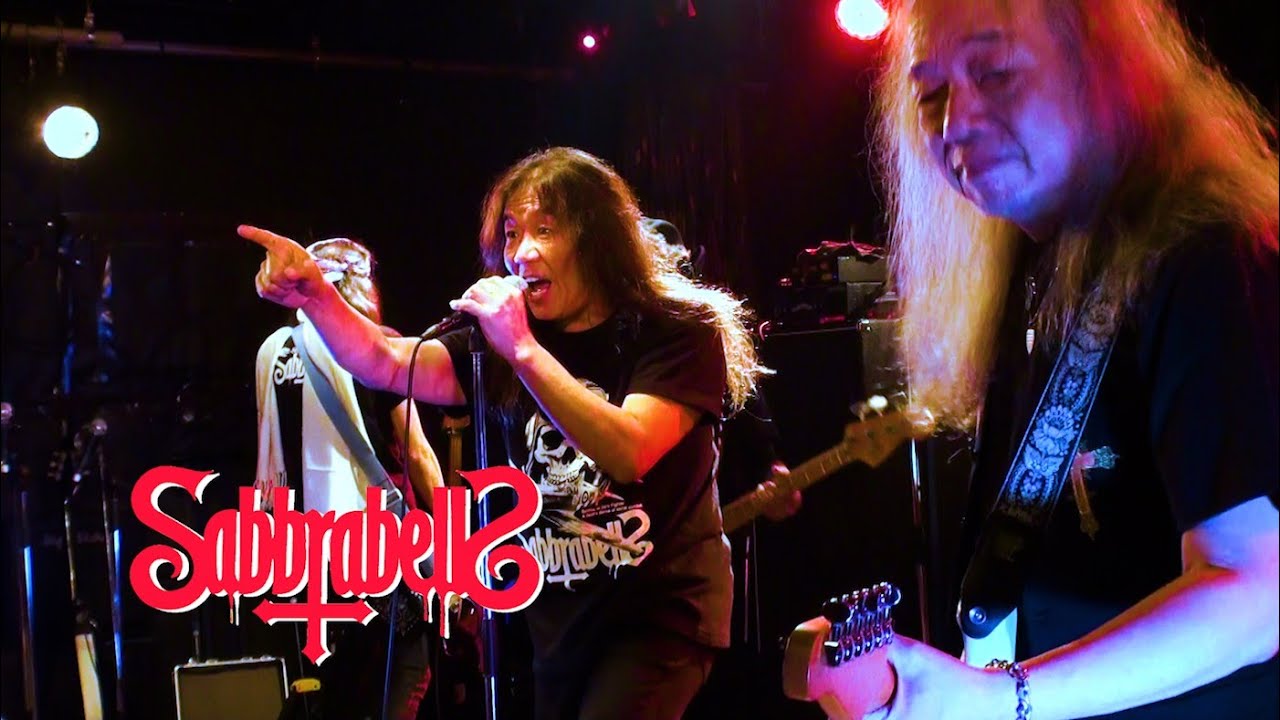
I’ll be real about something: the live reputation of a band like this is part of the mythology, even when you’re reading about them years after the fact. Grindcore in a small Osaka venue, played by people who clearly mean it — that’s a specific physical experience that no recording fully captures. Short sets, maximum intensity, no room to breathe between songs. The structure of a grindcore show almost doesn’t give the audience time to applaud; you’re just perpetually catching up.
That relentlessness is a philosophy. SOB’s place in Japanese hardcore history isn’t just about influence on later bands, though that’s real and traceable. It’s about what they demonstrated was possible — that you could play this extreme, this short, this confrontational, and still be doing something coherent. Still be a band.
If you’re new to them, start anywhere. That’s not a cop-out. With a grindcore catalog, the entry point is less important than the willingness to let it run.