
The First Time I Saw Them at Backen
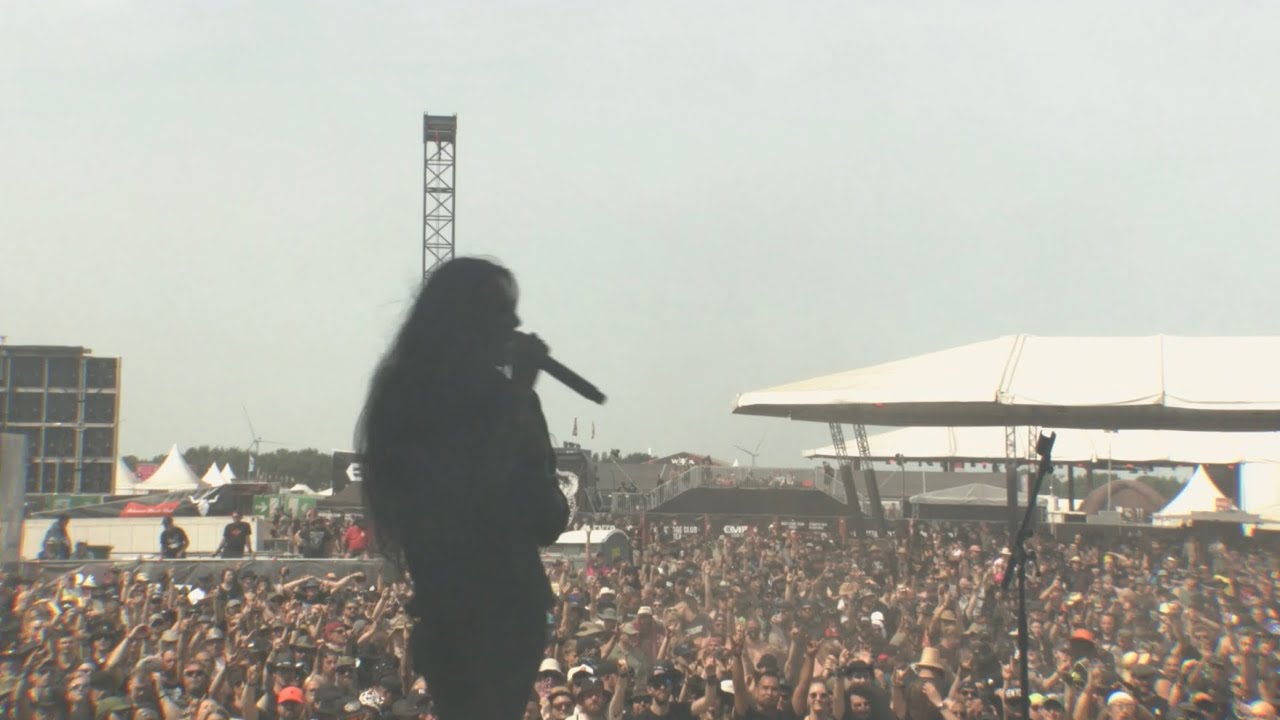
I wasn’t ready. I’d heard the records, thought I had a sense of what Sable Hills were about — the way they hold traditional metal craft close while letting metalcore’s urgency push through the seams. Fine. Understood, on paper. Then they walked out on the Backen stage, and Ueda hit the first note, and I genuinely had to recalibrate.
It wasn’t just volume. Plenty of bass players are loud. Ueda is tight in a way that feels almost confrontational — every note landed exactly where it needed to, no wander, no drift, anchoring a sound that could otherwise pull in two directions at once. The physicality of the performance matched it. The movement on stage was fierce, bordering on violent, but the playing never slipped. That combination — kinetic, almost chaotic energy in the body, surgical precision in the hands — is rare. I’ve seen a lot of shows in cramped Tokyo venues and at bigger rooms like Citta, and that kind of control mid-storm doesn’t show up often.
Why the Live Show Matters for How You Hear the Records
Here’s the thing about a band that bridges traditional heavy metal and metalcore: the tension between those two modes is the whole game. Metal’s classical wing values a certain structural dignity — riffs that breathe, hooks that pay off, a sense of ceremony in the arrangement. Metalcore can be relentless in a way that doesn’t always honor that. Sable Hills seem genuinely comfortable in both places, which sounds easy to claim and is actually hard to pull off without either side feeling compromised.
Seeing them live clarifies how they do it. Ueda’s bass is a big part of the answer. When the metalcore pressure builds — when the tempo spikes and the guitars go dense — the low end stays coherent. It doesn’t get swallowed, doesn’t blur into noise. You can hear where the metal skeleton is even when the surface is chaotic. That’s not an accident. That’s a bassist who understands structure at a compositional level, not just a rhythmic one.
The rest of the band matches the intensity. The guitar work carries real melodic intention; this isn’t breakdown-to-breakdown filler. There’s a commitment to actual riffs, to the kind of moment in a heavy song that makes you want to come back and hear it again. Which is, honestly, what separates a great metal band from a fine one.
If you’re approaching Sable Hills for the first time, I’d still point you toward our earlier piece for the baseline introduction. But if you’ve already done that and you’re wondering whether to make the effort to catch them live — stop wondering.
The records are good. The live show is the argument.