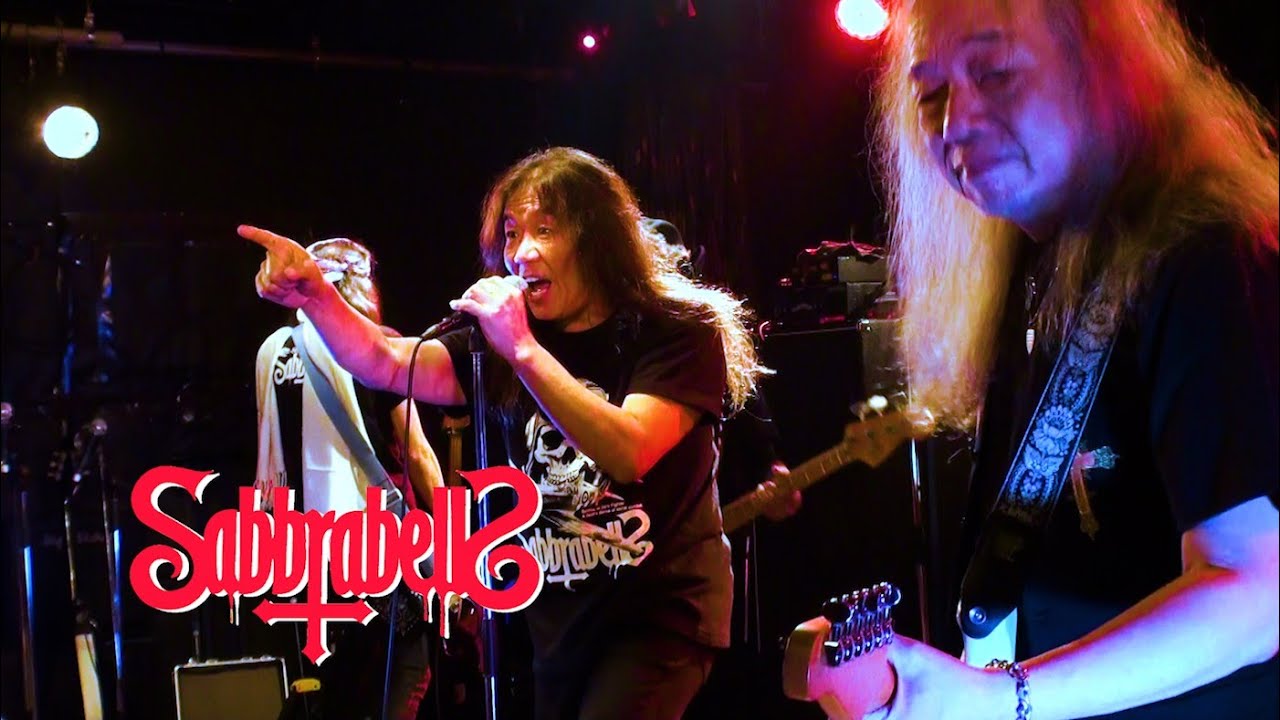

I’ve written before about the first time I caught Paledusk in a 200-cap room — the sweat on the ceiling, the kid who lost a contact lens and didn’t bother looking for it. Foreign readers keep asking me to expand on that. What is a Paledusk show actually like?
The First Ninety Seconds
The set starts like a dam failing. There’s no warm-up song, no “how’s everybody feeling” — the first track detonates and the room reorganizes itself around it. Japanese heavy crowds have a reputation for politeness that dissolves completely at shows like this. The pit opens by reflex.
What separates Paledusk from a hundred other heavy bands at this moment is control. The genre switches that sound playful on record become physical commands live. Electronic drop: the room bounces. Pop chorus: phones and voices go up. Breakdown: the floor becomes a washing machine. The band conducts the crowd through whiplash the way a great DJ works a club, and the crowd — this is the part that gets me every time — keeps up. Everyone in the room already speaks the band’s language.
Kaito Up Close
On record, the vocal switches between scream and melody are impressive. Live, they’re slightly unbelievable. There’s no backing-track safety net in the small rooms — you’re watching the actual throat do the actual work from three meters away. I’ve stood next to touring musicians at Japanese shows who spent the whole set just watching the technique with their arms crossed, doing the math.
Why the Small Rooms Matter
Paledusk can handle big festival stages — the clips are all over YouTube. But the band’s essential setting is the Japanese live house: low ceiling, tight floor, PA slightly too big for the room. That’s the environment that built them in Fukuoka, and the energy transfer in those rooms is total. If you’re planning a Japan trip around music, put a small-venue Paledusk date at the top of the wish list and build the rest of the itinerary around it.
Bring earplugs. Lose them immediately. Regret nothing.