First Wave, Full Force
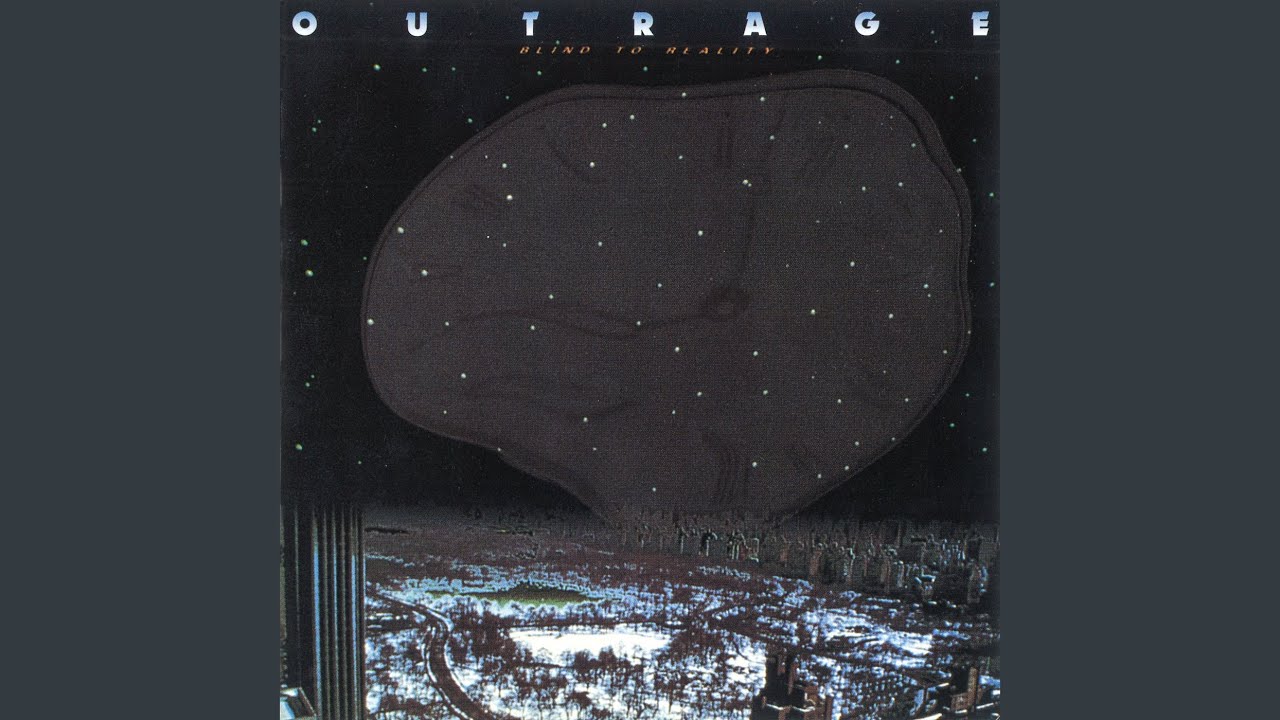
I was in junior high the first time I heard them. My immediate reaction was genuine shock — this good a band exists in Japan? The guitar sound, the vocals, the whole thing just floored me. I know I’m not alone in that either; there’s a whole generation of Japanese metal fans who heard Outrage at that same age and came out the other side with their lives pointed in a different direction. That’s the kind of band we’re talking about.
There’s a short list of bands that can honestly claim to have been there when Japanese heavy metal was still figuring out what it wanted to be. Outrage is on that list. Formed in Nagoya in 1982, they belong to the same first-generation conversation as DOOM and United — the handful of acts who planted thrash metal’s flag in Japan before the genre even had a name most people agreed on. That’s not a small thing. That’s a foundational thing.
What strikes me about Outrage, thinking about where they sit in the wider story of Japanese metal, is how unambiguously Nagoya they feel. That city has always had its own distinct energy — a little rougher at the edges than Tokyo, more industrial, less interested in being fashionable. Outrage sounds like that. Their thrash has always carried a certain heaviness that goes beyond just fast riffs and double kicks. There’s weight behind it. Conviction. The kind of attitude that doesn’t arrive by accident but gets forged over years of playing hard rooms for crowds who expect you to mean it.
Why They Still Matter
Longevity in metal is complicated. Some bands stick around and turn into tribute acts to their former selves. Outrage isn’t that. The reason foreign fans discovering them for the first time often come away genuinely impressed — not just impressed-for-a-Japanese-band, but flat-out impressed — is that the music earns its place. The riffs are real. The aggression is real. There’s no nostalgia tax you have to pay to appreciate what they do.
To be real about it, a lot of Western metal listeners come to Japan’s thrash scene with understandable skepticism, expecting something derivative or slightly behind the curve. Outrage kind of demolishes that assumption quickly. The approach was never imitation. It was absorption and then something that became its own thing — heavier in some places, more disciplined in others, with a rawness that a lot of American and European thrash started sanding off by the late eighties.
I caught their name early in my own time following the Japanese underground, and the thing people kept saying — from locals who’d seen them in Nagoya to obsessives who’d tracked down every pressing — was consistency. Not stagnation. There’s a difference, and Outrage has always seemed to understand it. They evolved without apologizing for what they were.
For anyone building a map of Japanese metal history, skipping Outrage is honestly just skipping a chapter. The first-generation scene they came up in wasn’t riding Western coattails — it was building something parallel, sometimes ahead, always sincere. DOOM brought doom-soaked darkness. United brought precision and fury. And Outrage? They brought Nagoya. That relentless, unglamorous, brick-and-iron Nagoya energy, channeled into thrash metal that still hits harder than it has any right to after four decades.
If you’re new to them, don’t overthink the entry point. Just start. The catalog will hold you.