
NOCTURNAL BLOODLUST
Some Tokyo bands carry the weight of the city in their sound — the density, the pressure, the sense that there’s no room to breathe. NOCTURNAL BLOODLUST is one of those bands. They play the kind of extreme metal that hits you in the chest before your brain has time to categorize it, a collision of aggression and precision that feels genuinely earned rather than assembled from genre checklists.
What They Actually Sound Like
The short version: brutal. The longer version is more interesting. There’s a clarity to the attack here that a lot of extreme acts sacrifice in the pursuit of raw heaviness. The riffs are legible even when the tempo is punishing. The vocals shift registers — gutturals, shrieks, and cleaner passages that don’t feel like concessions so much as deliberate choices — which keeps the songs from collapsing into a single undifferentiated wall of noise. That’s harder to pull off than it sounds, and NOCTURNAL BLOODLUST pull it off consistently.
If you come from a melodic death metal background, there’s enough melodic DNA here to grab onto. If your entry point was deathcore or straight-up metalcore, the breakdown moments will feel like home. That range of touchpoints is partly why they’ve built a following that reaches well outside Japan’s domestic scene. Foreign fans who’ve never set foot in Tokyo find their way to this band, and that feels right — the music carries an intensity that translates across any language barrier you want to throw at it.
Why the Tokyo Scene Produces This
Honestly, Tokyo does something specific to heavy music. The city runs on restraint in public, on compacted schedules and packed train cars, and what comes out the other side of that pressure in the live houses of Shinjuku and Shibuya and wherever else the underground gigs happen — it can get violent in the best possible sense. NOCTURNAL BLOODLUST belongs to that tradition. You don’t play music that extreme in a casual way. There’s intention behind it.
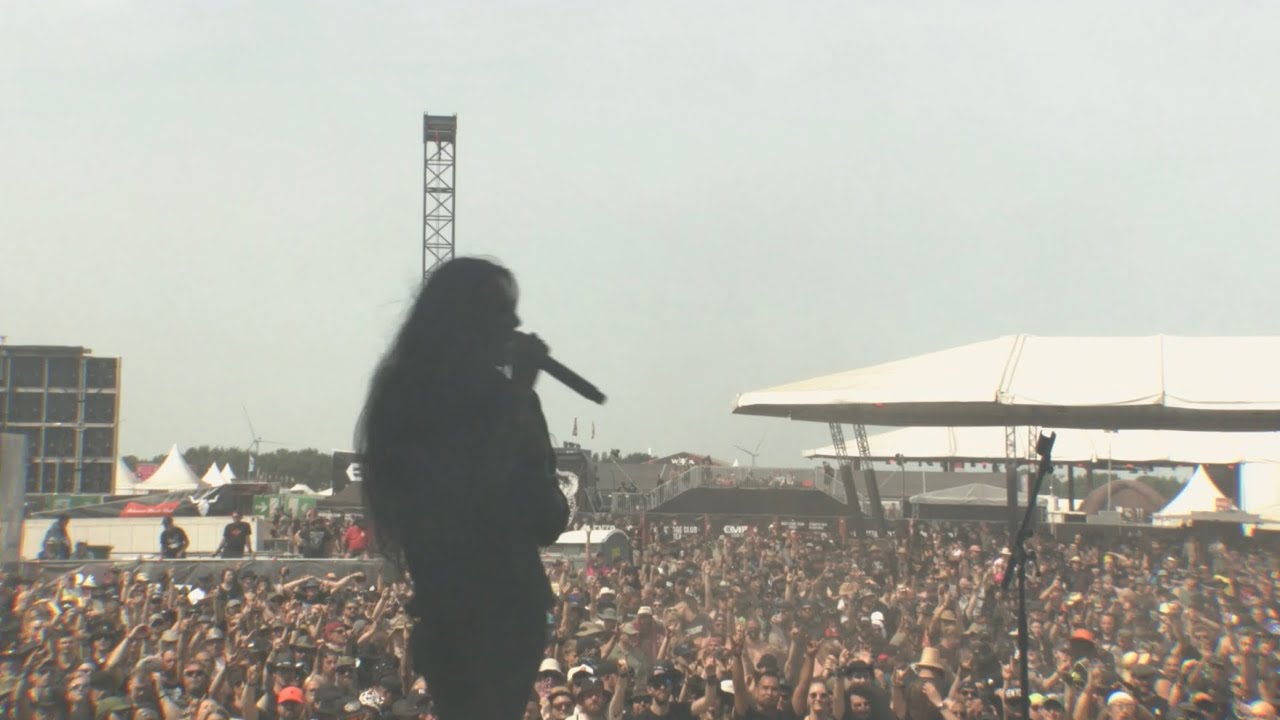
I caught a clip of them performing and the staging is committed. No ironic detachment. No hedging. They mean every second of it, and that kind of sincerity in extreme metal is rarer than people admit. A lot of bands know the vocabulary but they’re nervous about really meaning it. These guys aren’t nervous.
The visual presentation is worth noting too — they lean into the full aesthetic of the genre without it feeling like costume. It’s integrated, which matters if you’re going to sell this kind of darkness to an audience that can tell immediately when it’s theater versus conviction.
If you’ve been sitting on checking out Japan’s extreme metal scene and don’t know where to start, this is a fair answer. Pull up the discography, give it volume it deserves, and go from there.