The Kind of Band That Finds You
The first time I saw them live, I laughed. Not in a bad way — I need you to understand that. I laughed because every single riff was so perfectly, unapologetically correct. Like, whoever wrote these things genuinely gets it. Gets the whole thing. The gallop, the weight, the exact angle of attack. You hear it and you think, there’s no way this is real, and then you realize it absolutely is, and that’s when it gets you. It’s the highest compliment I know how to give a band: they made me laugh out loud from sheer recognition.
That’s the nature of Metalucifer. Some bands you discover. Metalucifer finds you — usually through a dubbed tape, a distro bin stuffed behind the Venom records, or a friend who keeps insisting you’re wrong for not knowing them already. This is a band that exists entirely on its own terms, answering to nobody, operating in the lower frequencies of the global underground where taste is absolute and compromise is a dirty word.
To be real, they play heavy metal the way it was meant to be played before the genre started second-guessing itself. NWOBHM is the obvious reference point — twin guitars, galloping rhythms, vocals that feel less like singing and more like announcing something — but that framing sells them a little short. There’s a rawness here that feels specifically Japanese, a certain kind of proud ugliness that doesn’t apologize for sounding exactly like what it is. B-grade, they’d probably say. And they’d mean it as the highest possible compliment.
Honestly, the charm is inseparable from the conviction. A lot of bands wear the retro aesthetic as a costume. Metalucifer seem constitutionally incapable of wearing anything else. The riffs are blunt instruments. The production favors weight over clarity. The whole thing sounds like it was recorded in a room that smelled like cigarettes, and I mean that with complete affection.
Why They Matter Outside Japan
The global underground has a tendency to treat Japanese metal as either a curiosity or an afterthought. Metalucifer blew that condescension apart. They built real connections with the European and South American underground scenes — the kind of scenes that run on handshake deals, split releases, and mutual respect for anyone willing to go ugly and mean with the music. That network didn’t happen by accident. It happened because Metalucifer were relentless about operating on a frequency that speaks across languages.
And it does speak across languages. Speed metal, when it’s played with this much blunt-force certainty, doesn’t require translation. You feel it in the tempo, in the decision to keep the guitars up front and the production honest. There’s no softening happening here. What you hear is what you get.
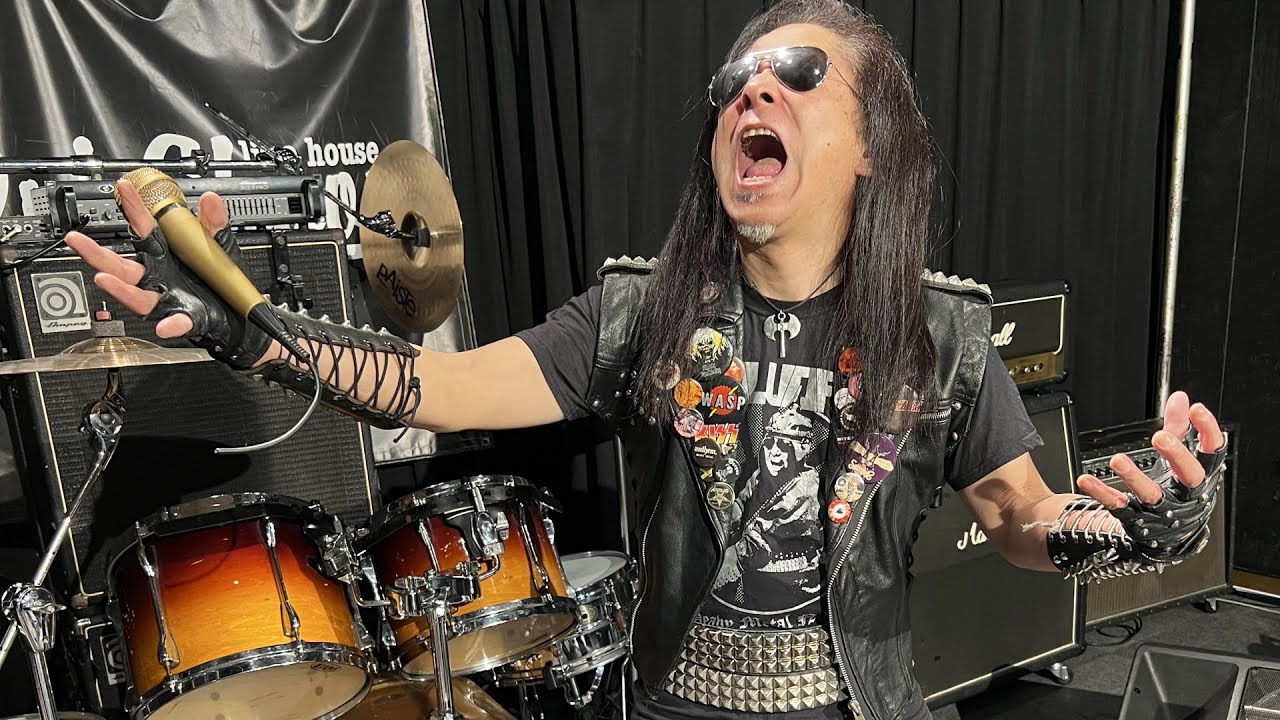
I caught their live show once, in a small Tokyo venue where the ceiling was too low and the PA was too loud, and the room was full of people who had clearly traveled some distance to be there. That demographic told its own story — older Japanese fans who’d been there from the start, younger ones who’d come through the tape-trading rabbit hole, and a handful of foreign visitors clutching the setlist afterward like a receipt for something rare. Which it was.
Metalucifer have spent years being the answer to a question that only certain people think to ask: what does heavy metal sound like when nobody’s trying to fix it? The answer, apparently, is exactly like this. Loud, purposeful, and completely unbothered.
If you haven’t heard them yet, dig. The records are out there. The community around them will treat you well if you come correct.