
The Short Version
Japan does something Western metal scenes don’t: it lets bands be genuinely dangerous-looking and genuinely heavy. JILUKA get that deal done better than almost anyone moving through the country’s underground right now.
I caught their set at a small Tokyo live house — the kind of room where the ceiling is low enough that the kick drum physically moves your chest — and honestly, I wasn’t prepared. You show up half-expecting the usual visual kei pageantry, the dramatic posturing, the songs that prioritize atmosphere over riff. JILUKA deliver the aesthetic, no question. The look is there. But the second the guitars come in, you realize this is a different conversation entirely.
The riffs hit hard. The kind of hard that reminds you why you got into heavy music to begin with. Djent-adjacent chugging, razor-sharp syncopation, vocals that swing between a clean melodic register and full-throated screams without ever sounding like a compromise. It’s controlled brutality wrapped in something theatrically striking, and the combination shouldn’t work as cleanly as it does.
Why the Visual Kei Framing Barely Covers It
Here’s the thing about slapping “visual kei” on JILUKA and walking away: you’re technically not wrong, but you’re leaving most of the story on the floor. The visual kei tag tells you about the clothes, the hair, the stage presentation. It doesn’t tell you about the tightness of the rhythm section, the density of the low-end, or the way the guitar work borrows from modern Western extreme metal without sounding like pastiche. There are bands in this scene that wear the aesthetic as armour around otherwise conventional J-rock songwriting. JILUKA use it as an amplifier — the theatrics make the heaviness hit stranger, hit harder.
Foreign metal fans approaching Japanese heavy music for the first time often get sorted into two camps. Camp one finds visual kei first and stays there, drifting through Dir en grey’s back catalogue and eventually landing somewhere around the prettier end of the spectrum. Camp two finds grindcore, noise, and the harsher domestic underground and never looks left. JILUKA are the band that genuinely belongs in both conversations. They’re a bridge that doesn’t compromise to be one.
To be real, the production on their recordings punches well above what you’d expect from a band at this level of exposure. The low end is clean but not polished to blandness. The vocals sit right. Someone in that camp cares deeply about how the thing actually sounds, not just how it looks in a live photo.
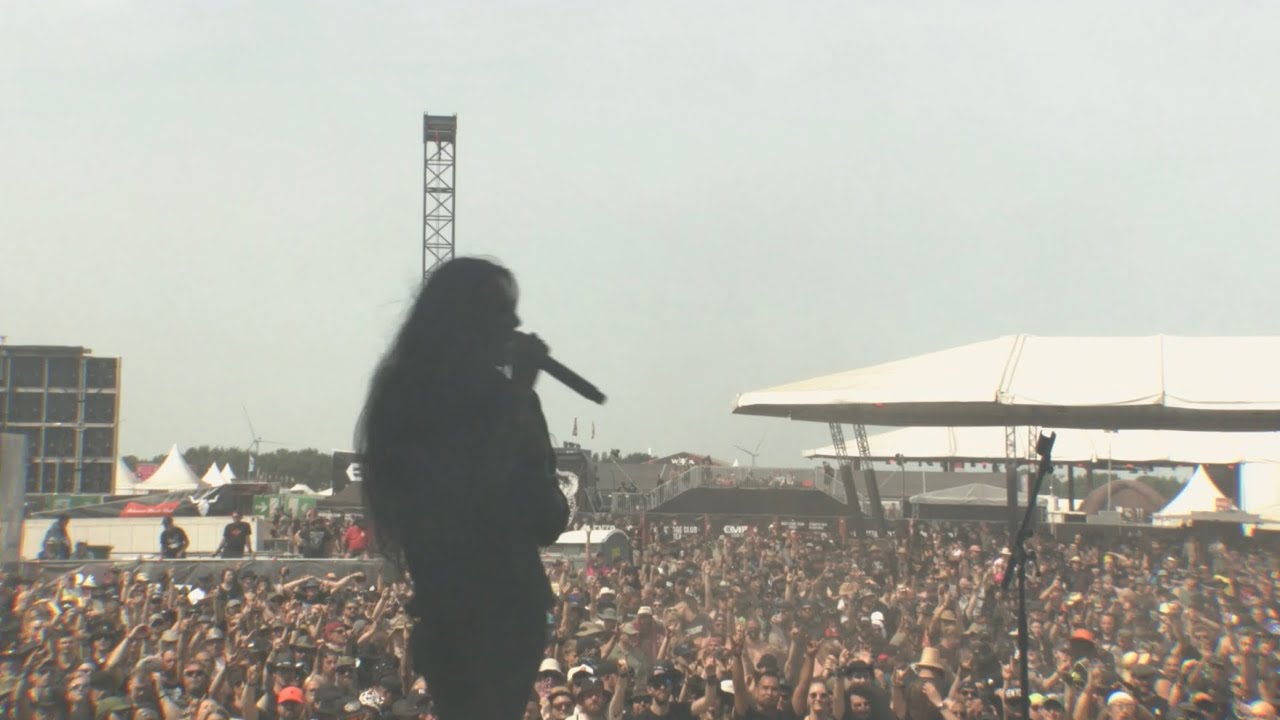
The live show is where the full argument lands, though. Stage presence is something Japan’s theatrical metal bands tend to have in surplus — but JILUKA’s set feels less like a performance and more like a controlled detonation. Four songs in, the room is already sweating. The crowd, mostly young Japanese fans who know every word, are deep in it.
If you’re building a Japan metal itinerary — first trip, second trip, doesn’t matter — JILUKA deserve a slot on the list before someone else tells you about them first.