The first time somebody put Gargoyle on for me, I didn’t get it. That’s not a knock. I’d been fed a diet of straight-ahead thrash — chug, gallop, solo, done — and this band kept refusing to land where I expected. A riff would set up a groove and then fold in on itself. The vocal would swerve from a bark into something almost sung, almost theatrical, then back again before I’d adjusted. I remember thinking it sounded like three bands arguing politely.
Took me a while to realise the arguing is the point.
We already ran a general introduction to them — the thinking person’s Japanese thrash — so I won’t rebuild that from scratch. This one’s for the person who’s pressed play, felt slightly seasick, and wants to know what to actually listen for.
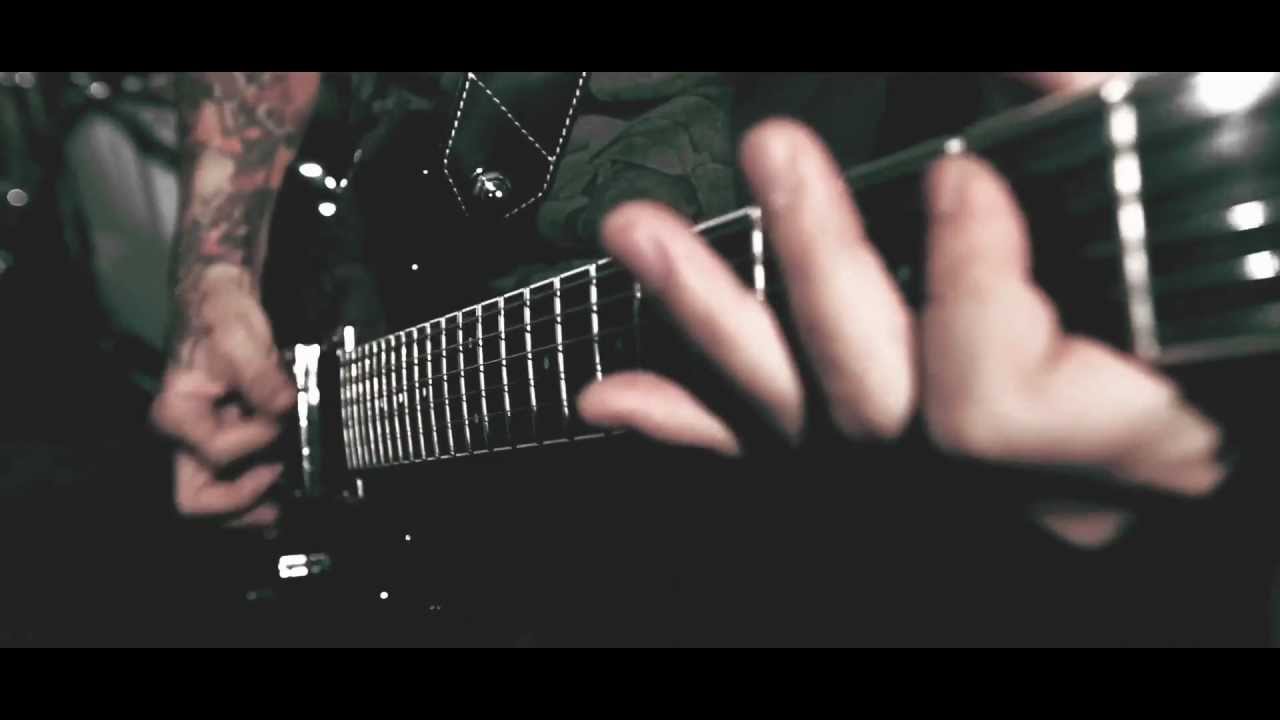
Follow the guitar, not the tempo
The instinct with thrash is to lock onto speed. With Gargoyle that instinct will fail you, because the tempo is the least stable thing in the room. Try the guitar instead. Almost every song has one central idea — a scale shape, an interval, a phrase — that gets pulled apart and reassembled across sections that shouldn’t fit together. A thrash verse. Then something with a distinctly Japanese melodic cast, the kind of minor-key line you’d hear in an old folk melody. Then back to the throat-first riffing, except now it’s carrying a memory of that melody inside it.
Once you’re tracking that, the songs stop being chaotic and start being architecture.
The rhythm section deserves the same attention. Progressive tags get thrown at bands that just play in odd meters and call it a day. Here the strangeness is functional — the bass will hold a line that lets the guitars go somewhere unhinged, or the drums will shift the accent so a repeated riff lands differently the second time through. That’s craft, not decoration. It’s also why the band reads as intelligent without ever coming off as bloodless. There’s real violence in it.
The voice is a separate instrument
The vocals are the wall most foreign listeners hit. I’d argue they’re the best reason to stay.
Japanese-language metal vocals have a particular problem: the language doesn’t naturally clip and stress the way English does, so a lot of bands either fight it or smooth it over into something bland. Gargoyle does neither. The phrasing bends the language to fit the riff, sometimes cramming syllables in, sometimes stretching one out until it becomes a melody in its own right. There’s humour in there too — a wryness, a willingness to sound absurd for a beat before snapping back to menace. If you don’t speak Japanese you’ll miss the wordplay, and honestly you’ll still get maybe eighty percent of it from delivery alone.
Don’t fight the vocals on a first listen. Treat them as another guitar line and let the meaning come later.
Here’s the practical advice. Pick one album — any album, the catalog is deep and there’s no wrong door — and sit with it four or five times before forming an opinion. First pass, everything sounds like it’s happening at once. Second pass, you start hearing the seams. By the fourth, the transitions that felt arbitrary reveal themselves as the whole reason the song exists, and going back to standard-issue thrash feels a bit like eating plain rice.
Then do the same with a second album from a different stretch of their run. The band’s approach has shifted over the years without ever softening, and hearing two versions of that approach against each other tells you more than any writeup could.
Bring headphones. The good ones. Half of what makes this band work is buried in the middle.