
Start with the Heaviest Thing You Can Find
If you’ve already read our first piece on DEXCORE and got curious enough to look them up, here’s the problem you’ve probably already hit: where do you actually start? Their catalog isn’t built like a clean narrative arc where the debut is obviously the entry point and everything progresses in tidy chapters. It sprawls. It mutates. Picking a random track can drop you into something that sounds like orthodox metalcore, then the next track over is doing something deeply theatrical that doesn’t have an obvious Western reference point, and suddenly you’re two hours deep and you’ve missed your stop.
So here’s how I’d actually walk someone through this discography.
Don’t start with the accessible thing. Resist that instinct. DEXCORE are a band who reward going in at a steep angle — find something that unsettles you first, something where the Visual Kei costuming and the breakdown feel like they belong in the same body, and let that be your calibration point. Once you’ve got that, the rest of the catalog starts making its own logic clear.
What the Music Is Actually Doing
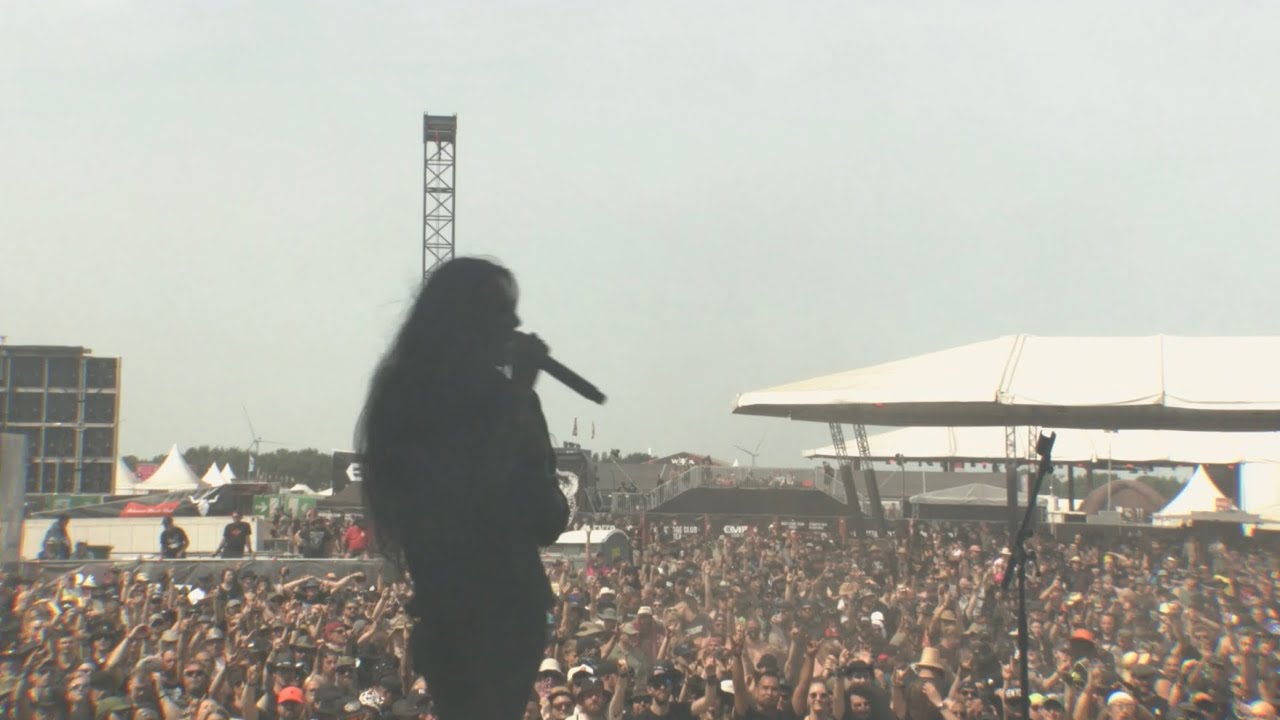
The clearest way I can describe the DEXCORE experience to someone coming in from Western metalcore: imagine a band that takes the genre’s core toolkit — downtuned riffs, percussive vocal patterns, the kind of drop that makes a small venue feel like it’s tilting — and then runs it through an aesthetic sensibility shaped by two decades of Visual Kei excess. That means the darkness isn’t incidental. It’s constructed. The imagery, the stage presentation, the vocal delivery that swings between clean melodic passages and genuinely harsh extremity — all of it is deliberate, coded, communicating something specific to an audience that’s fluent in the language.
That’s part of why DEXCORE can feel slightly alien to metal fans who came up purely on Western scenes. The theatricality isn’t softening the metal. It’s doing something to it, pressurizing it, making the heavy parts land differently because they’ve been framed so specifically. A breakdown from DEXCORE doesn’t just hit — it arrives with context.
The vocal range is worth paying attention to. There are moments where the clean passages drift into something almost fragile, and the juxtaposition with the harsher delivery — rough, blown-out, barely contained — is doing real emotional work. It’s not a “light-and-shade” trick for variety’s sake. It feels more like a character moving through states. Very Visual Kei logic applied to metalcore architecture, and it shouldn’t work as well as it does.
Honestly, the most useful frame I’ve found is this: DEXCORE are making music for people who grew up on both halves of Japan’s heavy underground. Not choosing between Visual Kei’s melodrama and metalcore’s physicality. Both. Full volume. And if you didn’t grow up with one foot in each scene, the catalog will teach you how to listen to it, given time.
Go back to whichever track felt strangest to you on first listen. That’s probably the one that unlocks it.