
The Band That Snuck Up on Everyone
I’ll be honest — there are bands you see coming from a mile away, and there are bands that are somehow already essential before you fully register they exist. Survive Said The Prophet, formed in Tokyo in 2011, belong firmly in that second category. If you’ve already read our first piece on them, you know the basics. This isn’t that piece. This is about what they actually do to the listener over time — across records, across shows, across the specific kind of patience it takes to build something real inside Japan’s notoriously hard-to-crack underground.
Post-hardcore in Japan exists in a strange position. The genre has a dedicated domestic audience, but it’s also a scene that can feel like it’s in constant conversation with itself, genres folding into genres, bands rising and disappearing without so much as a blip outside the country. What makes Survive Said The Prophet interesting is how completely they sidestep that insularity. Their music doesn’t feel like it’s playing to a room full of people who already agree. It feels like it’s trying to reach somebody new. Every time.
What the Records Actually Do
The thing I keep coming back to is how the band’s catalog rewards patience without demanding it. You can put on a track and get the surface hit immediately — clean vocals that genuinely sing, guitar work that understands tension before it understands volume, rhythms that push without grinding. But keep listening, across records, and you start noticing the architecture underneath. The way quiet passages don’t function as breathers so much as recalibrations. The way emotional weight accumulates gradually rather than being front-loaded with a breakdown in the first ninety seconds.
That’s rarer than it sounds in this genre. Post-hardcore has a tendency to announce itself loudly and forget to follow through. Survive Said The Prophet do it the other way around — they pull you in before you realize you’re committed.
There’s also something worth saying about the bilingual quality of what they make. Japanese and English move through their songs without the awkwardness that usually attends that kind of code-switching. It’s not a gimmick. It feels like the natural result of a band that’s genuinely living between two musical cultures rather than borrowing from one to impress the other. For foreign listeners especially, it creates this uncanny sense of being addressed directly while also catching something that wasn’t quite meant for you. That tension is part of the appeal.
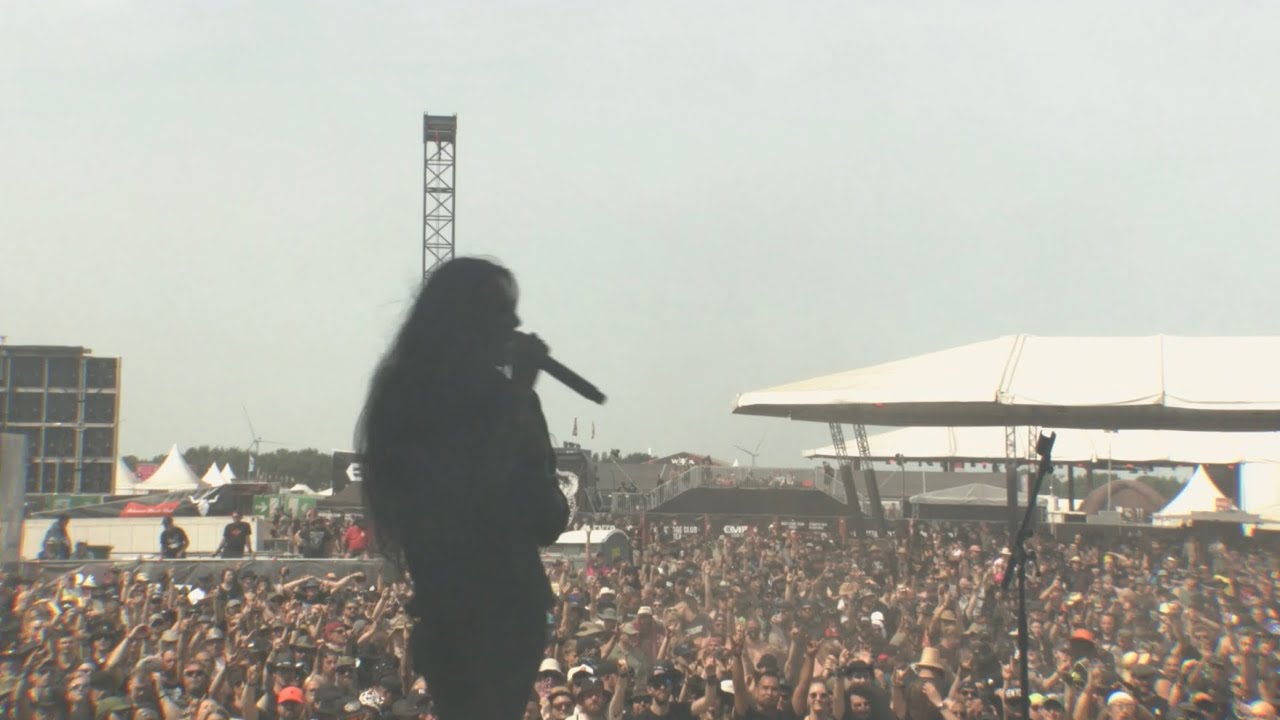
Live, the picture sharpens. I caught their show and the room was younger than I expected — a lot of faces in their early twenties, singing back every word, not in the detached way that happens when a crowd knows a band too well, but in the urgent way that happens when a band is still meaning something to people right now. The stage presence is controlled without being cold. Quiet authority. The kind that comes from a group that has played enough shows to stop performing at an audience and start playing with one.
None of this happened overnight. Thirteen years into their run, Survive Said The Prophet have something that most bands in Japan’s post-hardcore scene don’t: a catalog that has grown in ambition rather than shrinking toward a formula. They’ve earned the audience they have. That audience keeps growing.
Find a starting point anywhere in the discography. You’ll stay.