
The Band That Didn’t Need Translating
There’s a version of this story where a Japanese metal band has to soften something — round off the edges, swap the kanji in the logo for something more digestible, play the “exotic” card. Crossfaith never did any of that. They showed up at UK festivals with the same wall of synthesizers and caved-in breakdowns they’d been playing in Osaka since 2006, and the British metalcore crowd just… got it. Immediately. That’s rarer than it sounds.
Electronicore as a genre has always had a credibility problem in certain corners of the metal world. Too polished. Too pop-adjacent. The kind of thing that plays between rounds at an energy drink sponsorship event. Crossfaith take that genre and press it until the seams split. The electronics aren’t decoration — they’re structural. The drop isn’t relief; it’s a second attack. If you’ve never heard them, imagine the floor of a venue compressing under a bassline while a keyboard line from what sounds like a fever dream cuts straight through the top of the mix. It’s an aggressive, physical thing.
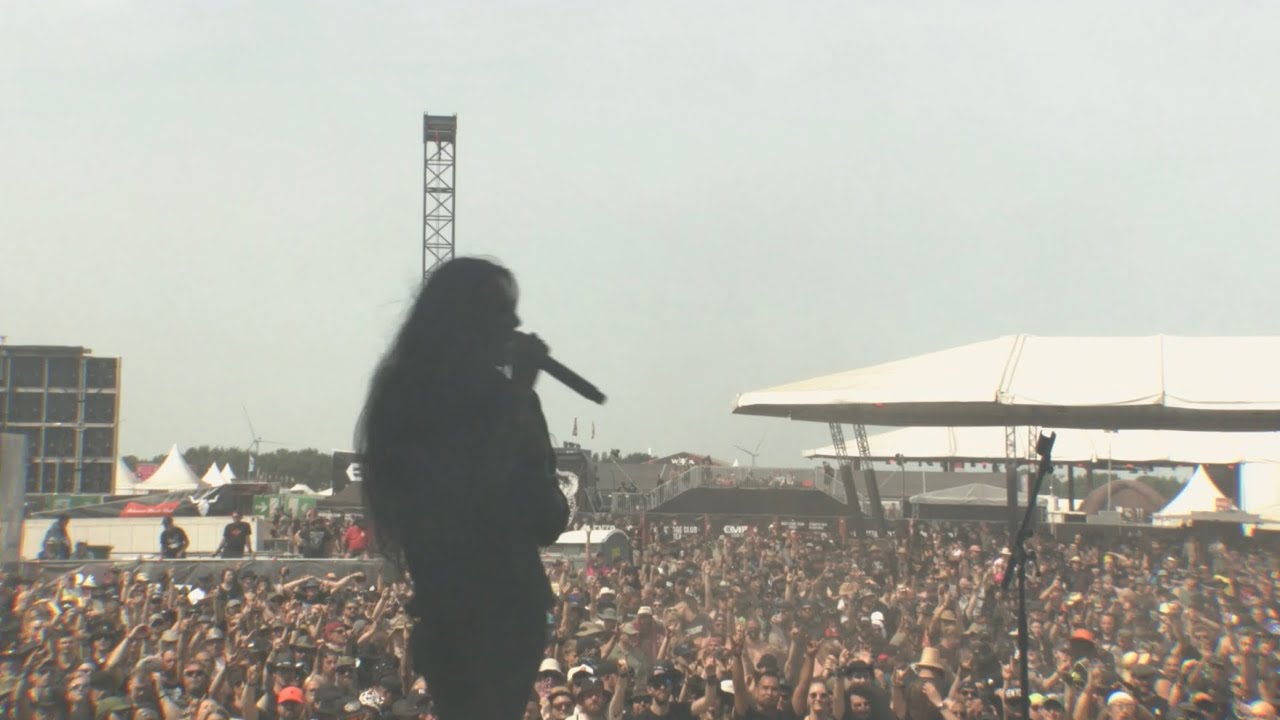
What made them a fixture on the overseas festival circuit isn’t a mystery when you watch how they approach a stage. The gap between the recorded versions and the live delivery is almost zero. That kind of consistency is hard to pull off with this much synthetic texture in the sound, but the band never sounds like it’s playing along to a backing track in the pejorative sense. Every element feels intentional and thrown at the audience like it’s a challenge. I caught their set at a smaller indoor show years ago and remember walking out with my ears ringing and a vague sense that something industrial had happened to the room.
Why the UK Circuit Made Sense
Britain’s metalcore ecosystem has historically been open to extremes — it’s the same island that produced some of the genre’s most technically punishing acts and also embraced melodic hardcore from the American midwest without much friction. So when Crossfaith started appearing on Download and similar billings, it wasn’t a fluke or a novelty booking. They fit. The production values, the structural ambition, the sheer velocity of the live show — all of it aligned with what UK festival audiences wanted from a heavy act.
And honestly, the band’s Osaka roots show in the tightness. Japan’s live circuit is demanding in a specific way — smaller rooms, higher expectations for precision, crowds that reward craft over chaos. That background doesn’t disappear when you move to a bigger stage. It scales up. The same attention to locked-in performance that fills a Namba club makes a festival tent feel like a real room rather than a holding pen.
They pulled this off for long enough that calling them a breakthrough act feels wrong. Through those years Crossfaith were simply a working band at the top of their game, doing what they had done since 2006 in front of crowds that kept getting larger.
If you’re new to the catalog and want to understand what the fuss is about, start loud. Pick the most aggressive-looking track title and let it run. The entry point almost doesn’t matter because the sound is coherent across everything they do — the identity is locked. For the full picture of how they got here and what they mean to the Japanese scene, our earlier piece covers the foundation.
Then just turn it up.
Update: Crossfaith suspended its activities in the summer of 2025 and later made the pause indefinite. Vocalist Kenta Koie has since launched a solo project, AFTERVOID. Our piece on Koie covers what happened next.