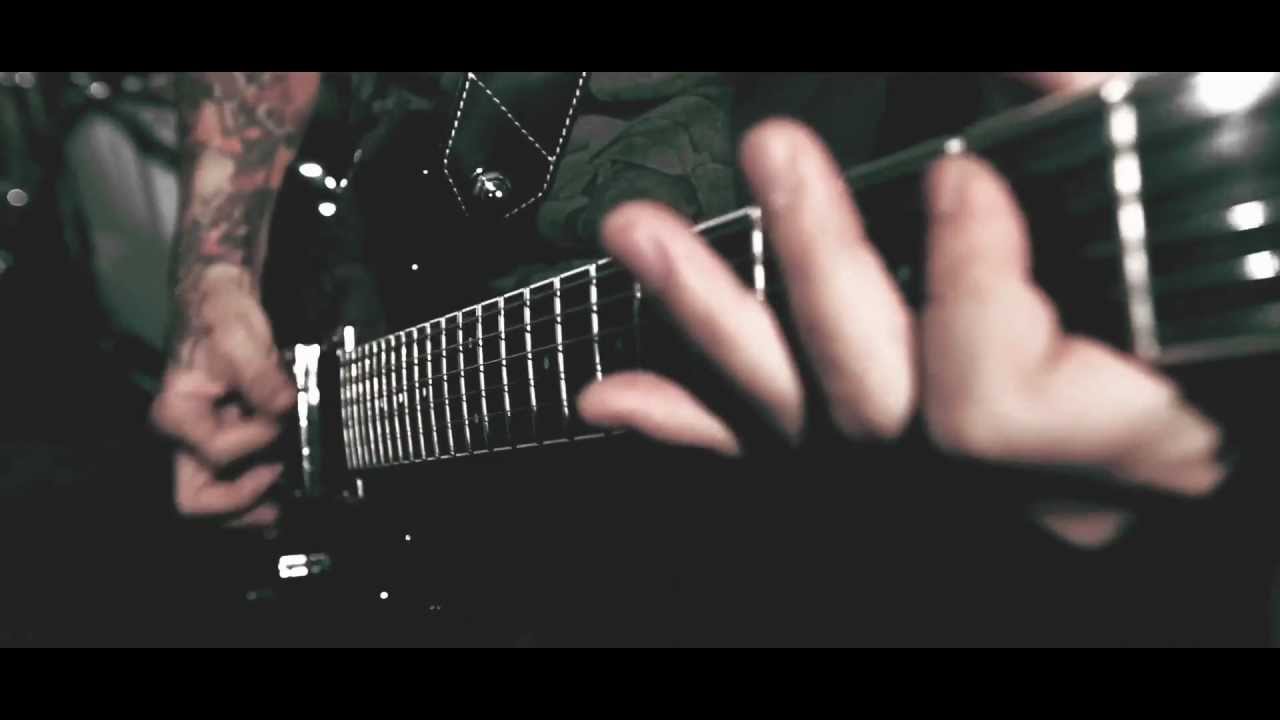
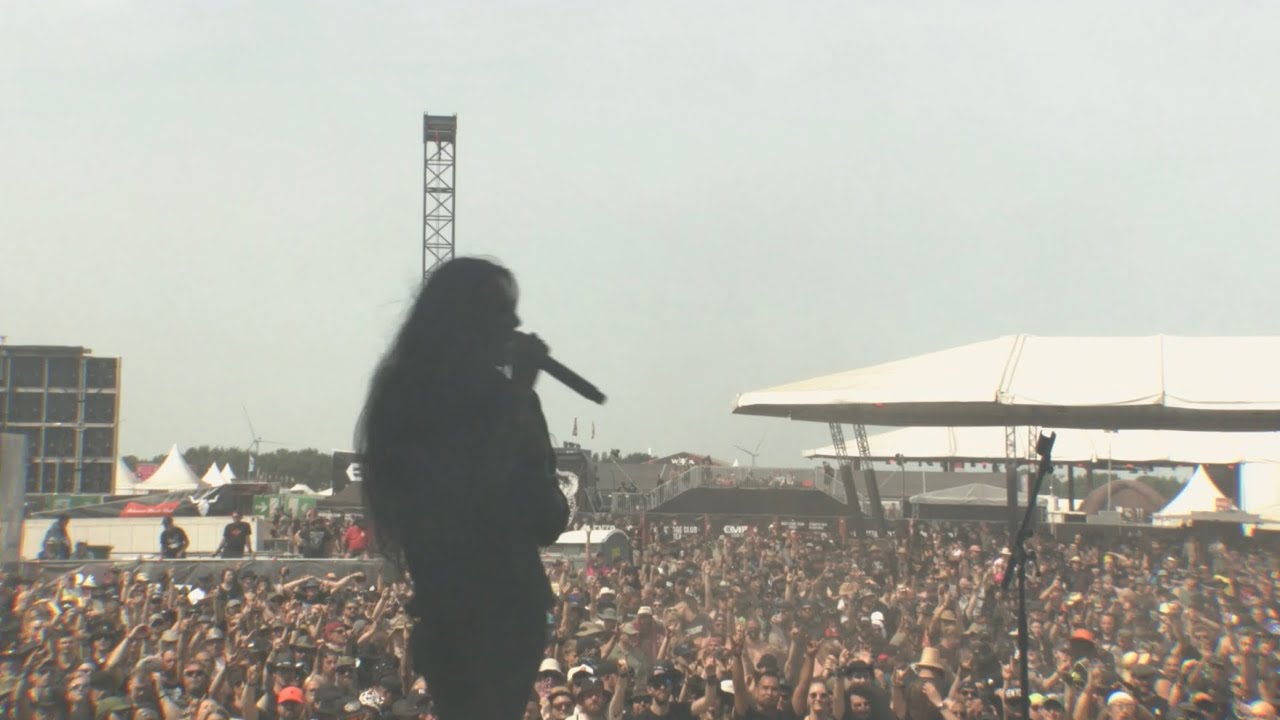
Some band names do all the work before a single note lands. Grave to the Hope is one of those. It’s grammatically sideways, it’s a little grim, and it sounds like it was translated out of a notebook at two in the morning — which is to say, it sounds like heavy metal. I’ve met foreign fans who wince at that kind of English. I’ve never understood why. The awkwardness is part of the charm, and frankly it’s more honest than a band that spent three weeks focus-grouping something safe.
The tag on this one is modern heaviness — heavy metal dragged up to the present. Not post-, not black-, not blackened anything. Just weight, with no apology, which in Japan’s underground is its own kind of statement of intent.
The lineage they’re standing in
To understand why a band like this matters here, you have to know that Japan never really let go of heavy metal. The thread running from Loudness and Anthem and Earthshaker down through decades of small-room bands has never been cut. Other countries had their metal generations wiped out by grunge, then nu-metal, then whatever came next, and had to reimport the whole style from Europe. Japan just kept playing it. Weekend after weekend, in rooms that hold a hundred people if the fire marshal is feeling generous, somebody has always been up there with a Flying V doing a harmonized twin-guitar lead that would have killed in 1984 and still kills now.
That’s the ground Grave to the Hope stands on, even if what they build on it points forward rather than back — as good as anything in the current wave of Japanese modern heaviness. It’s not nostalgia, exactly. Nostalgia implies the thing went away. This is more like a craft tradition — the way a knife shop in a back alley keeps grinding the same blade shape because the shape was already right.
The records are where you should start. Recordings from this corner of the scene tend to be lean and unpolished in a way modern production has mostly bullied out of existence: guitars up front, drums that sound like drums rather than a sample library, vocals that sit in the mix instead of floating above it on a cloud of reverb. If you’ve spent the last few years listening to metal that’s been mastered into a brick, hearing something with actual air in it is a small shock to the system.
Why the small-room stuff is worth your time
Here’s the thing about digging in Japan’s underground that nobody tells you before you start. The good bands are often invisible from outside the country. No sprawling press campaign, no international distribution deal, sometimes barely a functioning website. You find them the way I found most of my favourites — a flyer handed to you at a show, a name on a used CD spine in a Shinjuku basement, a recommendation from a guy at a distro table who’s already decided you’re worth ten minutes of his time.
Grave to the Hope is that kind of find. The reward for the search is a band playing this form with conviction, which is harder than it sounds. Heavy metal like this has nowhere to hide. There’s no wall of distortion to bury a bad riff under, no blast beat to distract from a chorus that doesn’t land. Every part has to be good or the whole thing collapses in front of you. Bands that survive in this style survive because the songs work.
So go dig. Put the name into whatever streaming service or auction site you use, take whatever you can find, and give it the volume it was built for. Then keep going — the scene around a band like this is deep, and it rewards anyone patient enough to keep pulling the thread.
Start with the riffs. They’ll tell you the rest.