
The Outlier That Stayed
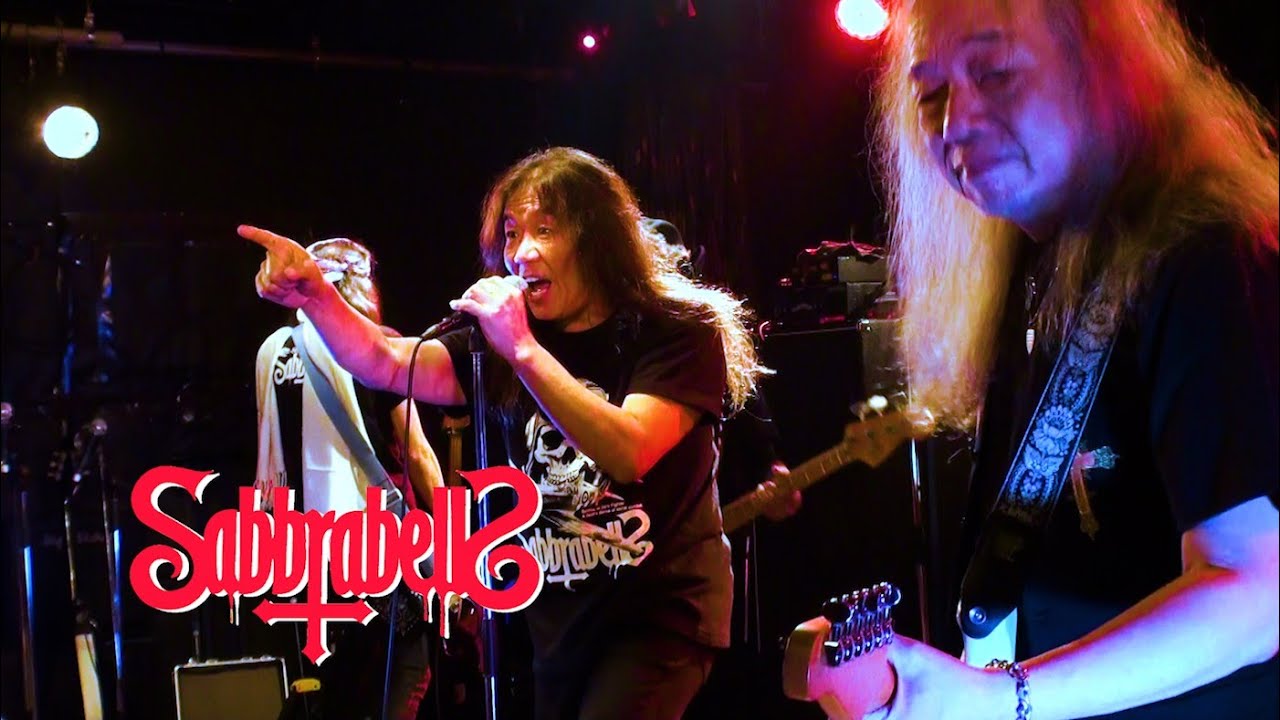
Look — if you’re a foreign metal fan and you haven’t heard Gargoyle yet, I genuinely don’t know what to tell you. These guys have been my idols since middle school. Middle school. That’s not a casual thing to say. I’m not throwing the word around. There’s a version of me that was thirteen years old, jaw on the floor, and three decades later that reaction hasn’t really changed. So I’m going to say this as plainly as I can: stop what you’re doing and go watch them right now. Video, live footage, whatever you can find. The fact that so many people outside Japan are still sleeping on this band is honestly baffling to me — and fixing that is basically the whole point of writing this.
There’s a progressive streak running through their music that makes even patient heavy metal fans do a double-take. These aren’t just heads-down speed merchants. Arrangements shift when you don’t expect them to. Time signatures bend. Melodies appear from directions you weren’t watching, and they feel earned rather than decorative. For a genre that prizes aggression above almost everything else, Gargoyle have always seemed quietly determined to prove that intelligence and ferocity aren’t mutually exclusive.
Honestly, that combination is rarer than it should be.
Why They Matter to the Scene
The Japanese metal underground operates largely under the radar of Western press, and bands like Gargoyle are why that’s such a shame. They’ve built a catalog over the decades that rewards deep listening — the kind where you notice something new on the fourth or fifth play, a rhythmic turn you’d coasted past before, a melodic idea buried in the low end that suddenly makes sense of the whole track. That’s not accidental. That’s a band that cares about craft in a scene that often moves too fast to bother.
To be real about it: a lot of Japanese thrash from the same era hits hard once and then fades. Gargoyle doesn’t do that. Their music has this quality of staying resident in your head for reasons you can’t immediately name.
They’ve stayed active long enough that they’re not just a historical artifact — they’re a living argument for what Japanese heavy metal can be when a band refuses to stand still. The genre tag “heavy metal / thrash” undersells them. I’d add prog to that without hesitation, and even that three-word bracket feels like a fence around something that keeps jumping it.
Foreign fans who’ve stumbled onto the Japanese underground through the obvious gateways — Loudness, Anthem, the big names who crossed over — sometimes treat the deeper scene as a curiosity rather than a destination. Gargoyle is the kind of band that corrects that instinct. I caught their name mentioned in the same breath as some of Japan’s most technically serious metal acts, and that reputation is not misplaced.
The vocals carry something specific to the Japanese tradition: melodic yet strained in just the right places, sitting against the riff work in a way that feels native rather than imported. That’s not always easy to articulate, but when you hear it, you know. This isn’t a Japanese band playing Western thrash. It’s a Japanese band that absorbed thrash and then decided to do something else with it.
If you’re building a map of Japan’s underground metal history, Gargoyle belongs on it. Not as a footnote.
Start anywhere in the catalog. Give it more than one listen.