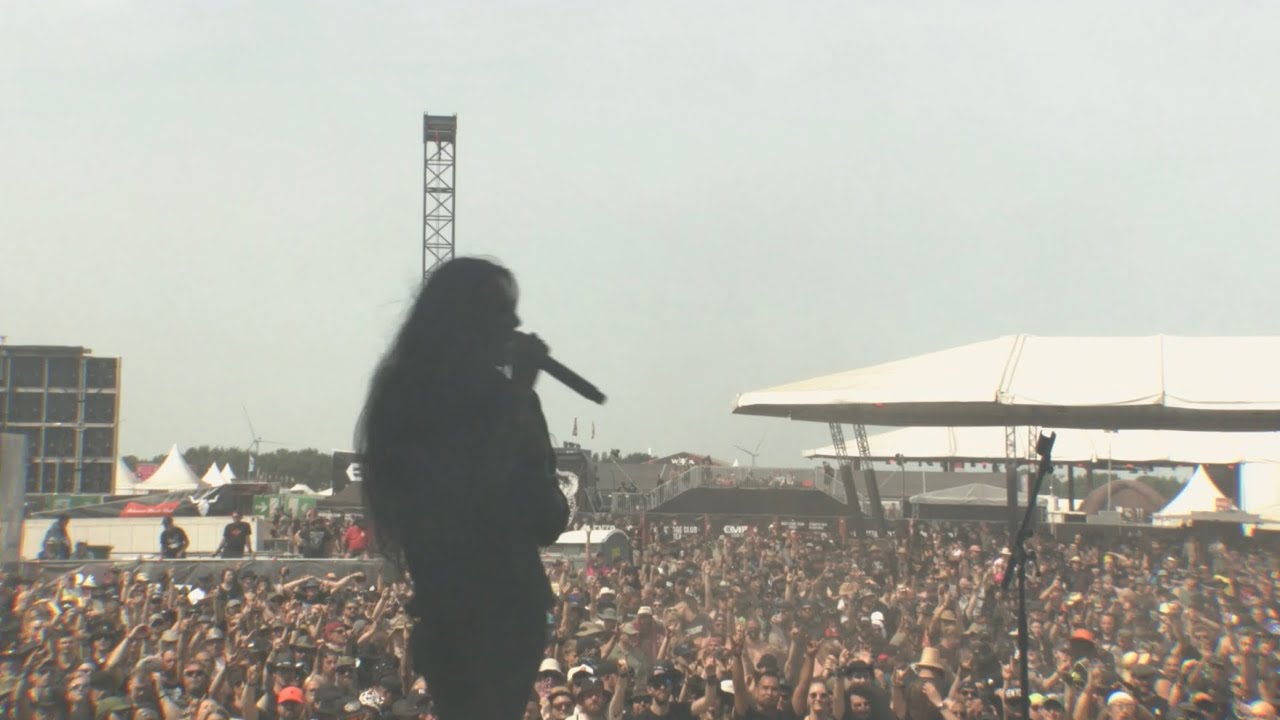
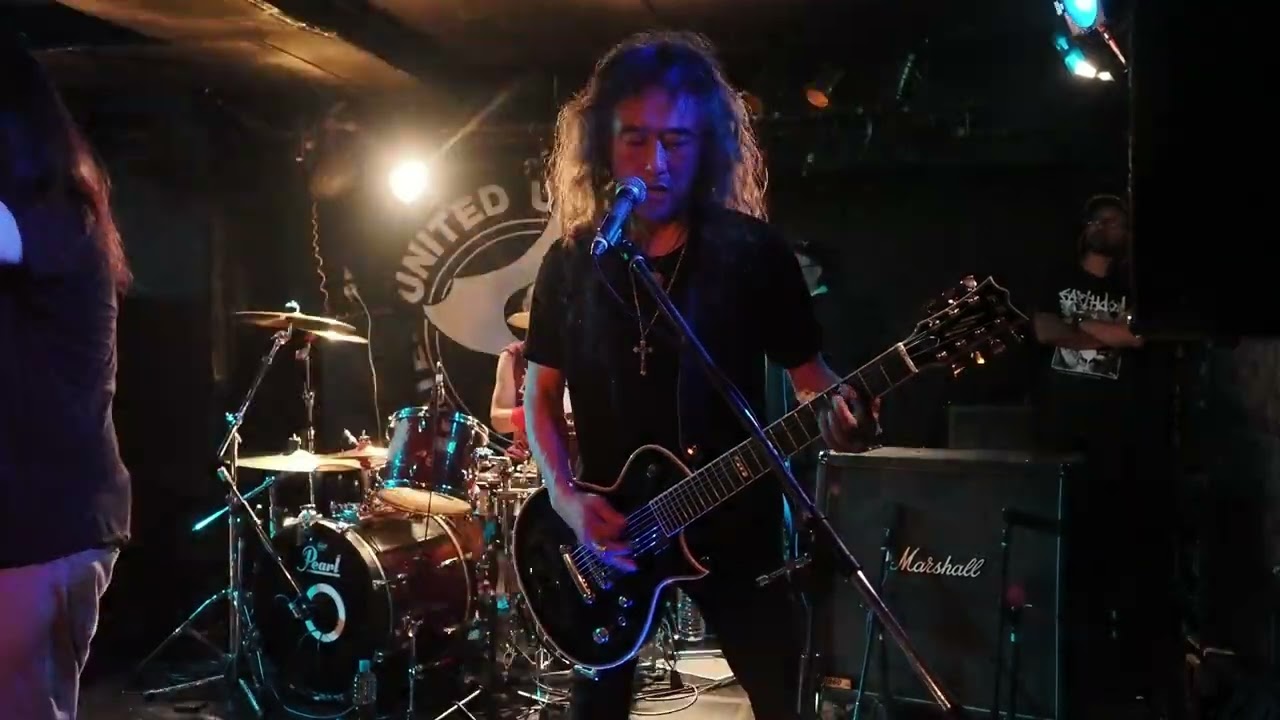
The first thing that hits you isn’t nostalgia. It’s the tempo.
I’ve stood in Tokyo rooms where United were on stage and half the crowd wasn’t born when the band started. Doesn’t matter. Nobody’s standing there doing archival appreciation. The riffs come in at a speed that has no interest in being historically significant, and the room reacts the way rooms react to fast music — badly, happily, with elbows.
That’s the part that gets lost when people write about Japanese thrash veterans. The writing tends to go museum on them. Formed 1981, Tokyo, first wave, contemporaries of the other names you know — all true, all documented, and I’ve done my share of that framing myself in our earlier piece on them. But the framing puts a band behind glass. United have spent decades declining to get in the case.
What forty years of thrash actually costs
Here’s the thing foreign fans underestimate about Japanese bands of this vintage: the infrastructure was never generous. There was no big domestic thrash industry waiting to absorb them, no festival circuit built to keep a scene alive through its lean stretches, no easy export route to Europe when the West was busy with its own thrash boom. A band starting in Tokyo in 1981 was building the road while driving on it.
Most bands from that moment did one of three things — broke up, softened into something more sellable, or reformed twenty years later as a nostalgia unit playing the old set at half speed. United did none of them. The catalog just keeps going, and the striking thing is how little apology there is in it. No mid-career pivot to groove metal. No acoustic record. No phase where somebody decided the vocals should be clean now.
That kind of consistency is often described as stubbornness, which is unfair. It’s more like a band that figured out early what it was for and never found a good reason to stop doing that. Thrash is a narrow form. Working inside it for decades without repeating yourself is genuinely hard, and the way United handle it is by tightening rather than widening — sharper transitions, meaner riff economy, drumming that sits right on the edge of the beat instead of behind it.
Where to start, and why it isn’t the first record
Newcomers usually want the debut, on the assumption that the earliest thing is the purest thing. With United I’d argue the opposite. The early material matters historically and it rips, but the band got better at being itself. The mid-and-later catalog is where you hear the writing get economical, where a song stops announcing its riffs and just deploys them.
So pick something from deeper in and work outward in both directions. You’ll notice the through-line immediately: a very specific Japanese thrash aggression that isn’t Bay Area worship and isn’t German either. Tighter than the Americans. Less mechanical than the Teutonic bands. There’s a percussive quality to how Japanese vocals sit on thrash riffing — consonants landing like extra snare hits — and United have been working that seam since before most of us were paying attention.
The other thing you’ll notice is that the production across the catalog is unusually honest. No era-specific gloss papering over the playing. What the band sounds like in a room is roughly what the band sounds like on tape, which is why the records hold up when so much thrash from adjacent decades sounds embarrassingly dated.
There’s a moment I keep coming back to. Middle of a set, no stage banter, the guitarist counts in the next one before the last chord has finished ringing, and the room realizes it isn’t getting a breather. Forty-odd years in, still no breather.
Start with the records. They don’t get tired.